


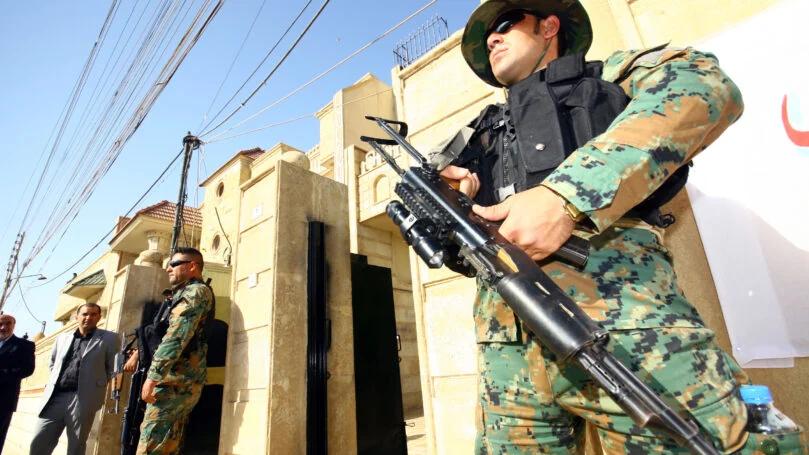

Since Iraqi Prime Minister Ali al-Zaidi took office in April of this year, he has made several decisions that have negatively affected the Kurdish population within his country. Now, following his directive for Baghdad to take control of Kurdistan’s border crossings and the management of its oil fields, the Prime Minister of the Kurdistan Region, Masrour Barzani, has decided to strike back.
Barzani stated that the recent decisions issued by Baghdad regarding oil and border crossings are “baffling and completely unacceptable.” He further noted that “these decisions are inconsistent with the substance of previous discussions held with the authorities in Baghdad.”
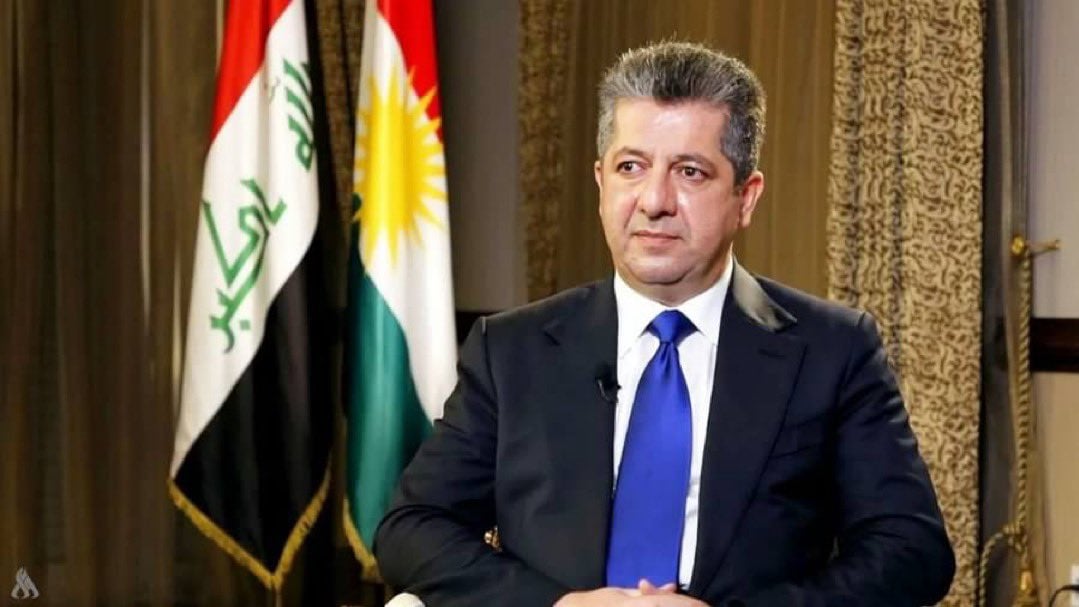
A spokesperson for the Iraqi government explained that the move is intended to safeguard Iraqi sovereignty, asserting that “national sovereignty is indivisible.” Furthermore, the new government prohibits the Kurds from selling oil without its authorization, stating: “We have issued instructions that no permits for the export of crude oil or petroleum products are to be granted except through the federal Ministry of Oil, in order to prevent an overlap of authority.”
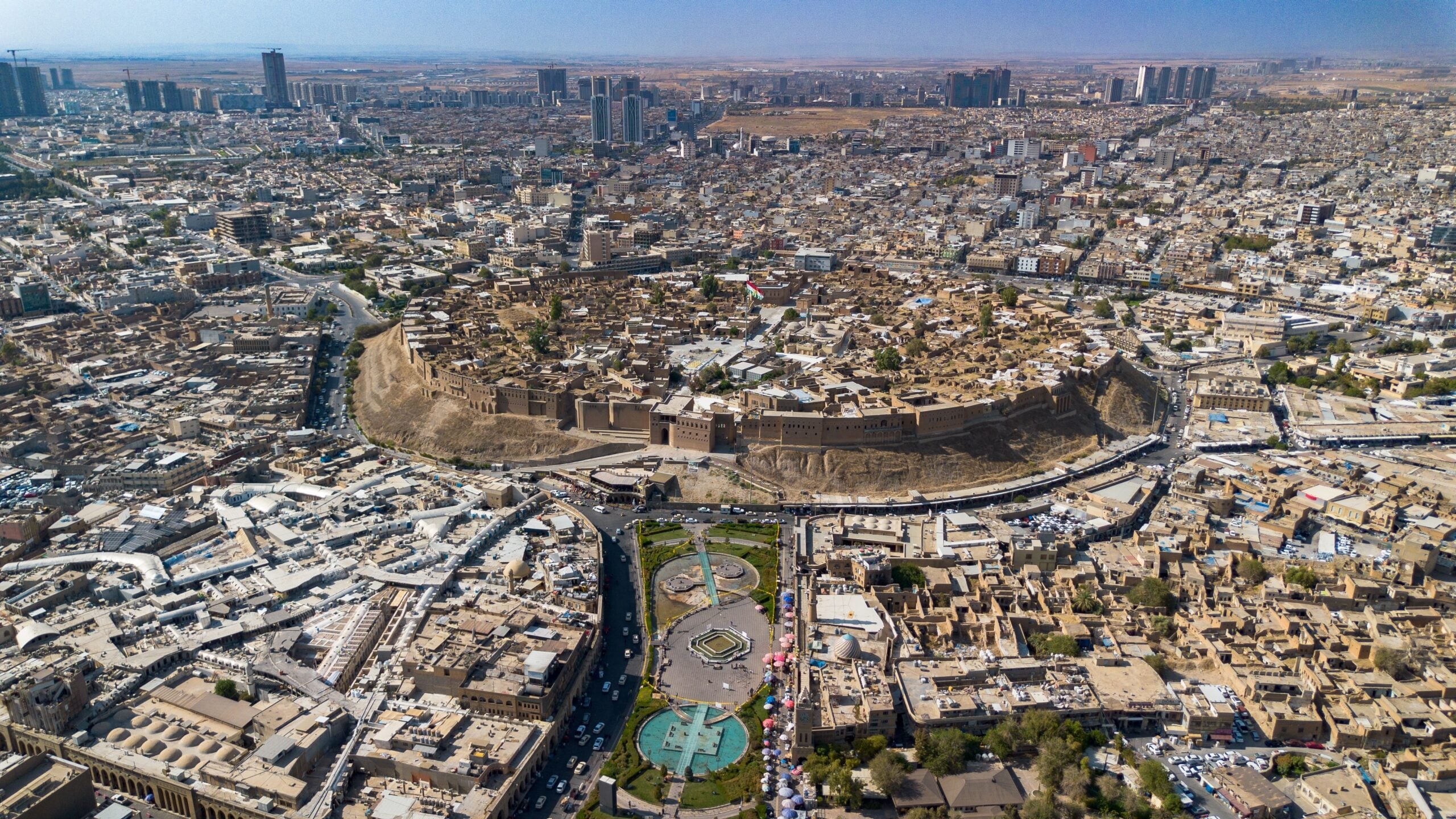
Since the fall of Saddam Hussein in 2003, the Kurds have managed their own oil fields. In fact, over the past 20 years, this ethnic group has managed to establish an autonomous region in northern Iraq that functions much like a state. The Kurds formed their own government and took charge of their own security—to such an extent that former Sunni Iraqi officials found refuge there, hiding from pro-Iranian Shiite elements that sought to harm them.
The attempt to strip the Kurds of revenue from oil reserves coincides with the withdrawal of the U.S. military from Iraq. This withdrawal extended to the Kurdistan region, meaning that all the air defense systems previously supplied by the U.S. were removed along with the troops. Consequently, while the government in Baghdad maintains close ties with the Iranian regime, the Kurds are viewed as enemies; they remain under attack by various militias and the Revolutionary Guards, yet lack the means to defend themselves.
This move by the Iraqi government stems from the new Prime Minister’s desire to assert sovereignty over the entire country—following years that resembled a “Wild West.” Alongside efforts to combat pro-Iranian terrorist organizations and disarm them, Al-Zaidi has moved to consolidate control over oil reserves throughout Iraq—resources that, until now, were controlled by whoever held sufficient power to seize them.