




The Democratic Party secured 258 seats in the U.S. House of Representatives on Sunday, marking the largest majority any party has held since 1992. The historic majority came after Democratic candidate Chuck Havard defeated longtime Republican Congresswoman Virginia Foxx in North Carolina by just 330 votes. The result deepens the Republican defeat in the midterm elections. It gives Democrats control of both houses of Congress—allowing them to constrain the president’s power in his final two years, launch investigations into his administration, and throw up major roadblocks to his political agenda.

 3+
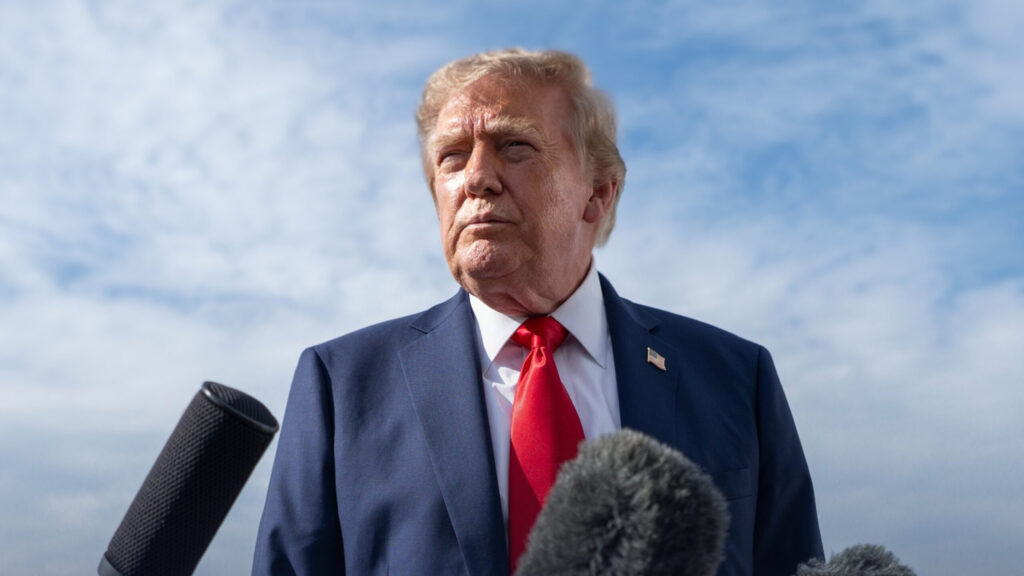
The shift will make it harder for Trump to advance significant legislation on the economy, immigration, and the budget. It will allow Democrats to bring initiatives to the floor that oppose the White House agenda. Still, the president retains veto power over laws passed by Congress. Since overriding a presidential veto requires a two-thirds majority in both chambers, Democrats won’t be able to pass any initiative without additional Republican support—but control of Congress will let them use its oversight powers, summon senior officials to testify, and demand documents from executive departments.
Democrats made economic issues the centerpiece of their campaign, portraying the Republican administration as responsible for rising living costs. The victories came not only in states traditionally associated with the Democratic Party, but also in districts long considered Republican strongholds—a sign of the scale of the shift in voter preferences and Republicans’ difficulty maintaining public support after two years of controlling the White House and Congress.
 3+
One of the most significant consequences of the election results is expected to be expanded congressional oversight of the Trump administration. Democrats have already announced they intend to use House committee powers to examine a series of decisions made during the president’s second term, including investigations into Trump’s economic conduct and that of his family members since his return to the White House. Democratic leader Hakeem Jeffries didn’t rule out another attempt to launch impeachment proceedings against the president, though no decision has been made to pursue it.
Meanwhile, the party is developing an action plan for the first 100 days of the new Congress, expected to focus on reducing the cost of living, restoring health insurance benefits and reinstating subsidies under the health care law known as Obamacare, alongside reversing some of the cuts Republicans made to Medicaid, which provides health insurance to low-income populations.
 3+
Democratic Congressman Jason Crow of Colorado said his party must feel significant pressure to deliver results to the public, noting that many Americans are losing their health insurance, their livelihoods, and their farms. Therefore, members of Congress need to act urgently. Progressive Congresswoman Alexandria Ocasio-Cortez addressed the achievement and defined it as a public mandate for change. Democratic control of both houses of Congress could also affect U.S. foreign policy, particularly relations with Israel and the ongoing confrontation with Iran. Although the American president holds broad powers in security and diplomacy, Congress plays a central role in approving budgets, allocating military aid, and overseeing administration actions. Senior Democrats have already criticized Trump’s Middle East policy, particularly the war with Iran and its economic and security implications.
Lawmakers in the party have previously raised proposals to condition part of military aid to Israel, alongside initiatives to limit funding for continued military operations against Iran, and the party’s control of Congress could give these initiatives greater weight and create friction between the White House and lawmakers regarding continued military activity in the Middle East. That said, the Democratic Party doesn’t hold a uniform position on Israel: alongside lawmakers who sharply criticize its policies, some elements support preserving the security alliance and American military aid, and therefore the practical implications will depend on committee composition, the priorities of Democratic leadership, and the degree of cooperation with the White House.
 3+
The new Congress is expected to convene on January 3, 2027, when the members of the House and Senate elected in the midterms will take office. Until then, Democrats will continue shaping their legislative agenda and preparing to take over key committees. Jeffries is expected to run for Speaker of the House, while Republicans are preparing to move into opposition. Congressman Jim Jordan of Ohio, who was chosen to lead House Republicans in the minority, promised his party will continue to fight for American families over the next two years.
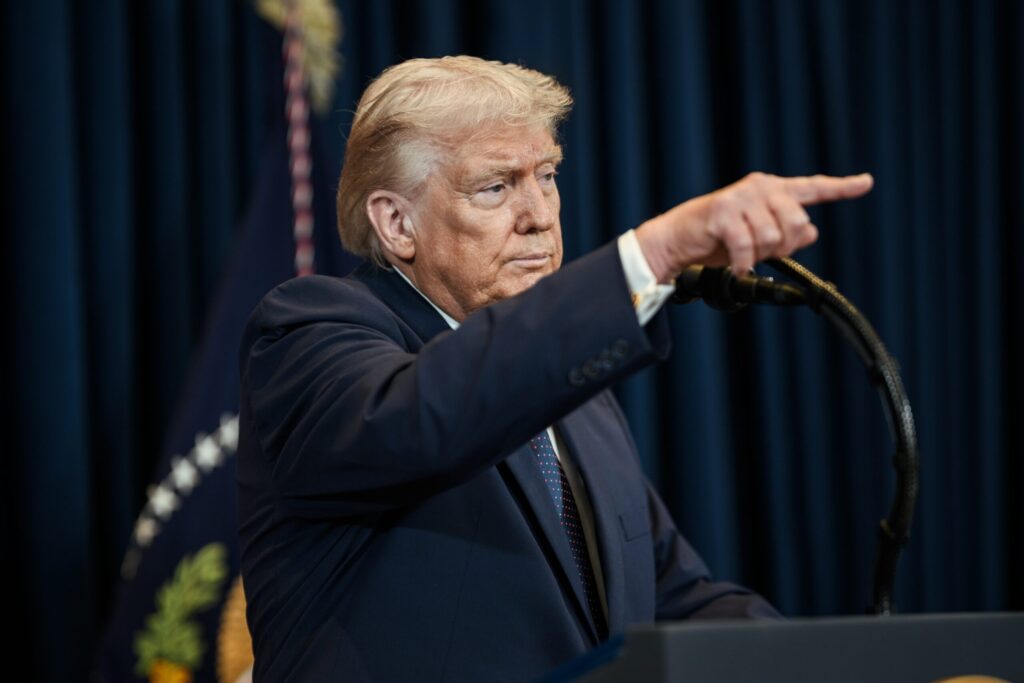
For Trump, the result marks a significant turning point in the second half of his term. The president, who began his term with Republican control of both houses of Congress, now has to contend with an unusually large Democratic majority that lets his political rivals dictate much of the agenda in Washington. The North Carolina victory, decided by a margin of just 330 votes, became the milestone that completed the Democrats’ historic achievement and deepened Trump’s political defeat in the midterm elections.