



President Donald Trump is considering launching another major round of strikes against Iran, following pressure from Israel and new intelligence about Tehran’s military recovery, the New York Times reported Wednesday, citing American and Israeli officials involved in the discussions.

 3+
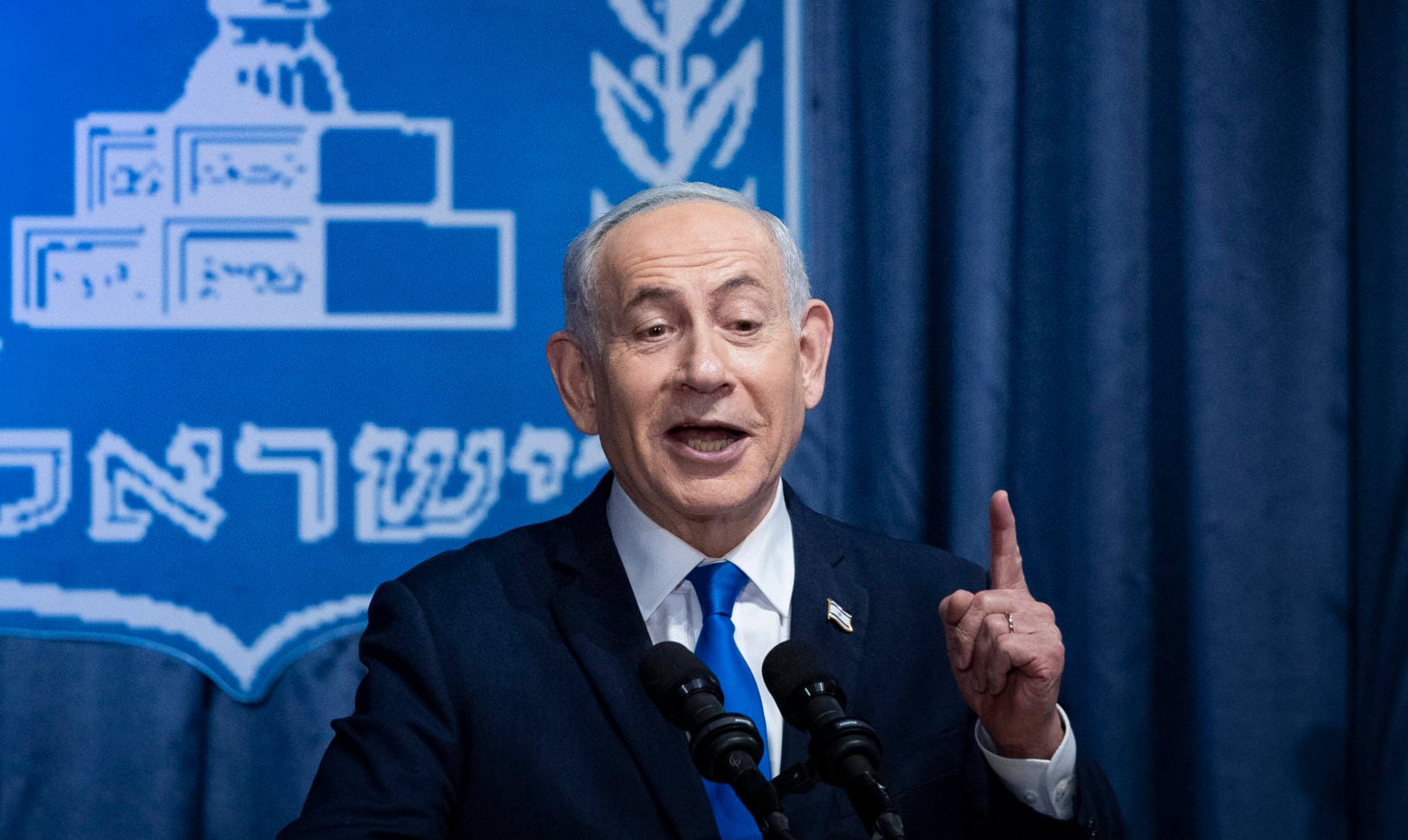
According to the report, Prime Minister Benjamin Netanyahu is trying to convince Trump to join a joint air campaign against Iran that would last between four and seven days. Contacts between the two countries intensified last week, alongside Mossad chief Roman Gofman’s visit to Washington, during which he met with CIA Director John Ratcliffe—Military Intelligence chief Maj. Gen. Shlomi Binder also pushed for renewed strikes in conversations with American officials.
A senior Israeli official, however, rejected claims that Netanyahu is pressuring the American president, and the prime minister’s spokesman clarified that Netanyahu always acts to ensure Israel’s security.
 3+
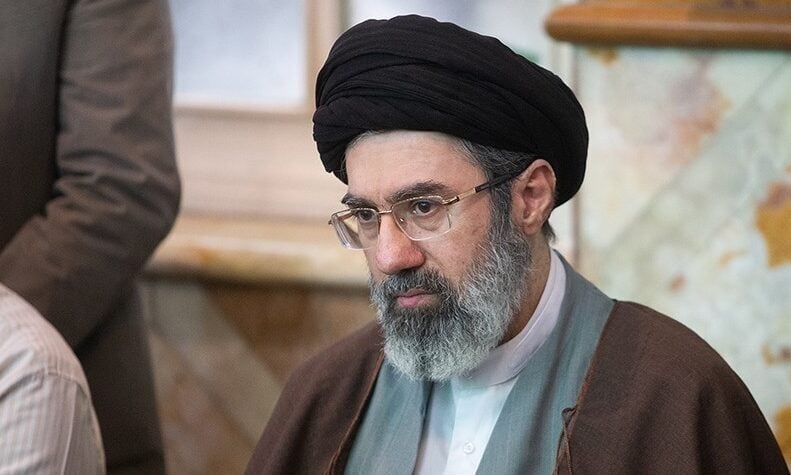
At the heart of Israeli concerns is intelligence indicating Iran has managed to rebuild significant portions of its missile and drone systems damaged during the war, while continuing to develop chemical and biological weapons capabilities. Israeli officials warned that Tehran may equip drones with dangerous materials and deploy them against Israel and other regional countries, and even use these capabilities to carry out terror attacks in the United States and Europe.
Israel also presented American officials with intelligence that Iranian operatives planned to target senior U.S. officials using chemical agents. One source briefed on the intelligence said this type of threat drove the decision in recent weeks to move Treasury Secretary Scott Bessent from his home.
 3+
But Trump administration officials are divided over whether the Iranian threat requires additional military action. American intelligence agencies do identify Iranian efforts to expand chemical and biological weapons capabilities. Still, the prevailing assessment is that the regime primarily seeks to deter Israel and the United States from large-scale strikes, not prepare for a preemptive attack. The dispute also concerns the reliability of the intelligence and the risks involved in resuming the war.
While discussions continue, the U.S. military has already concentrated significant firepower in the Middle East, including warships, dozens of fighter jets, and long-range bombers. Earlier this week, the aircraft carrier Theodore Roosevelt joined forces in the region, and for a brief period three American carriers operated simultaneously in the Middle East—an event that has occurred only once since the 2003 Iraq War. The George Washington later returned to the Pacific.
 3+
Military officials estimated that if Trump gives the green light for an operation, American forces could launch a short, intensive campaign focused on Iranian missile and drone systems, energy facilities, and Revolutionary Guard headquarters. B-1 and B-2 bombers stationed in the United States have been on alert for weeks, ready to deploy on missions against Iran with 96 hours’ notice.