


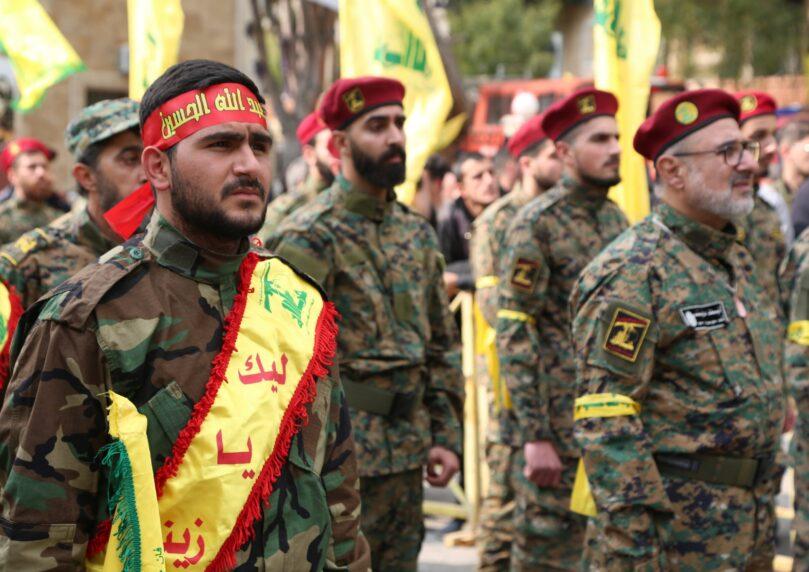

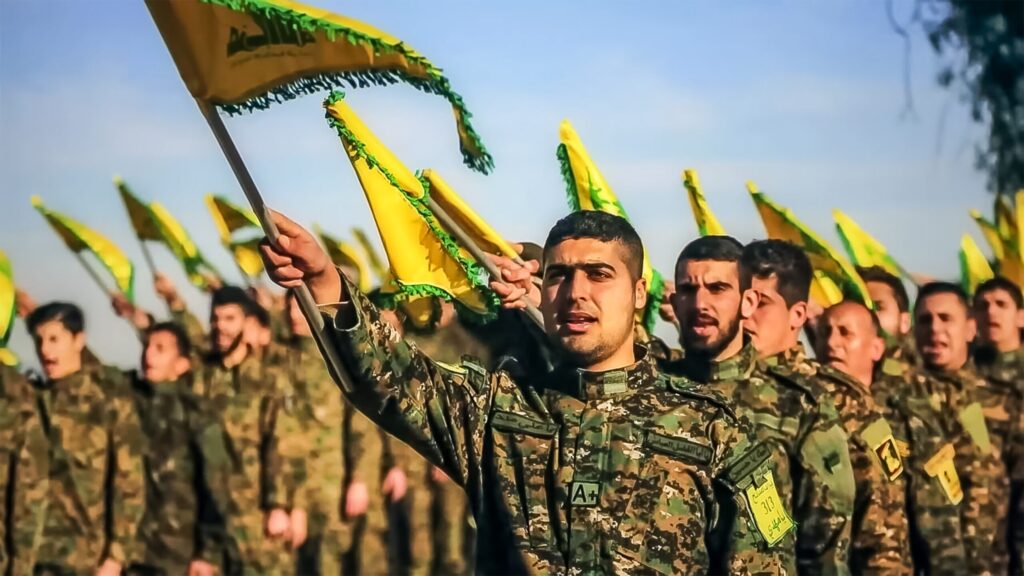
The lack of an independent Lebanese state enables the Shiite terrorist movement Hezbollah to continue rebuilding its armaments north of Israel’s security zone and to dominate the power politics of the fractured nation, according to Mideast experts.

 5+
With the coming departure in December of the feeble UN Interim Force in Lebanon (UNIFIL), which was supposed to disarm Hezbollah, pressing questions remain about whether the Lebanese Armed Forces (LAF) can strip Hezbollah of its weapons. Hezbollah terrorists have penetrated the inner workings of UNIFIL and the LAF over the decades. Many Israeli and Lebanese experts on the country frequently refer to Lebanon as the “Land of the Cedars” because of its famous cedar trees, and argue that the Iranian regime-backed Hezbollah is the de facto ruler of Lebanon.
Hanin Ghaddar, a senior fellow at The Washington Institute who focuses on Shia politics throughout the Levant, told Channel 14 that Lebanon is “way too far from being a sovereign state. Nothing has really changed on the political side.” Ghaddar said the new Lebanese Prime Minister (after the war started with Israel in October 2023) declared Hezbollah and its arms illegal, but nothing has been implemented. “It is really the same old story. Nothing changed except for a weaker Hezbollah because of the war with Israel.”
 5+
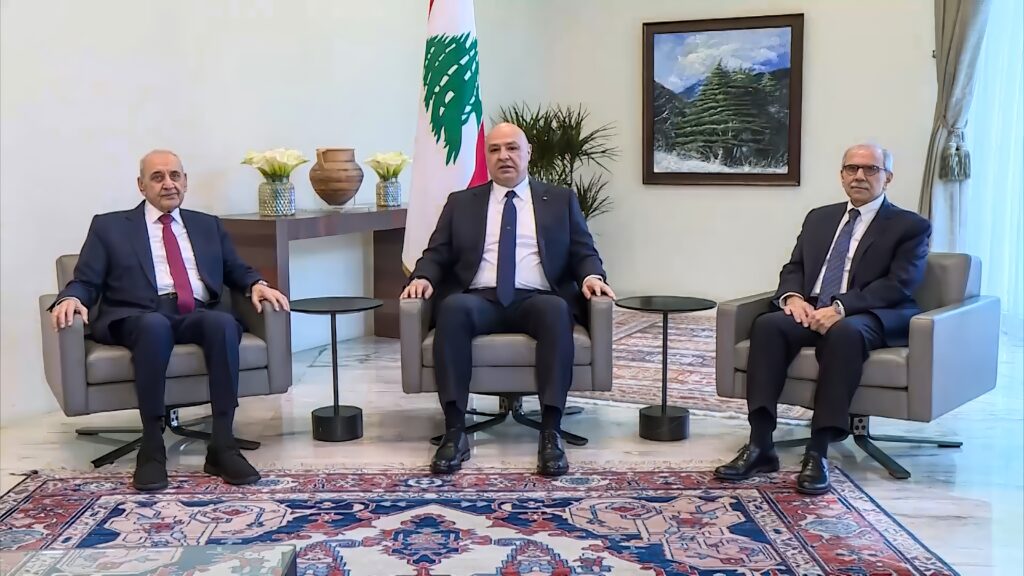
Since 2025, Nawaf Salam has been the Lebanese Prime Minister, and the country’s President is Joseph Aoun. Ghaddar said, “With the current government, there is no sovereignty.” She singled out the pro-Hezbollah Speaker of Parliament, Nabih Berri, for criticism. “Iran is still controlling Lebanon via Nabih Berri and his entourage.” She said Lebanese Druze leader Walid Jumblatt is part of Berri’s entourage.
Ghaddar wrote in a July article for the Washington Institute that “Despite changes in government and parliament, these state institutions were never cleansed. Even after the formation of the new government in February 2025, Speaker of Parliament Nabih Berri, a key political ally of the group, managed to secure many vital appointments in security institutions.”
She said there has been “zero strategy actually to disarm Hezbollah. Not a single bullet was disarmed. Hezbollah still has the freedom of movement [and] freedom of moving its arms without any challenge by the government, Lebanese army, or President.”
 5+
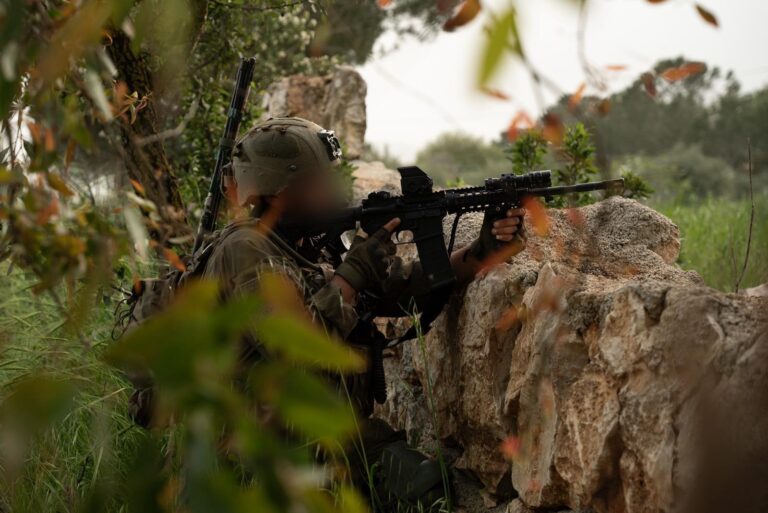
A senior IDF official told Channel 14 that “We confiscate weapons daily [in southern Lebanon]. We are not seeing organized Hezbollah activity within the Security Zone. North of this area, Hezbollah maintains forces and is working to strengthen and rebuild its damaged capabilities. It retains the capacity to conduct combat operations against the IDF.” The IDF official added that “In April, UNIFIL personnel encountered an exchange of fire with Hezbollah. Two French members of the peacekeeping force were killed.”
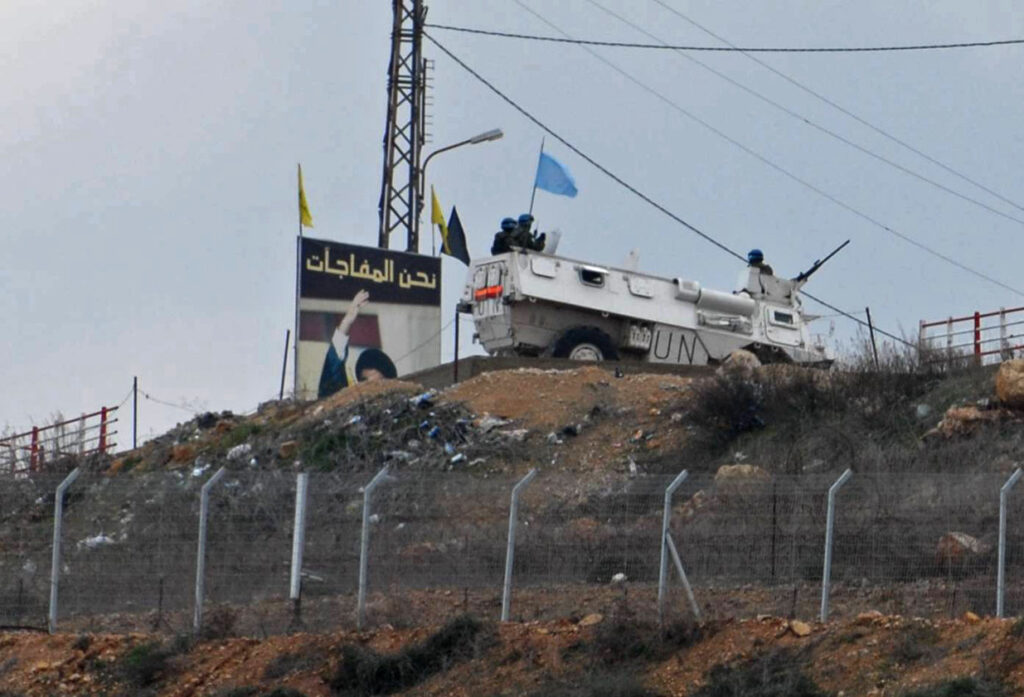
UNIFIL stated on Wednesday, announcing: “After 48 years patrolling the Blue Line, UN peacekeepers prepare exit.” The statement made no mention of Hezbollah and its threats to the Lebanese population and Israel. The UNIFIL spokesperson located at Naqoura in southern Lebanon, Kandice Ardiel, took Israel to task for its self-defense operation to stop Hezbollah’s missile and drone attacks into Israel. She claimed, “Daily violations by Israeli forces continue to be observed across southern Lebanon.”
 5+
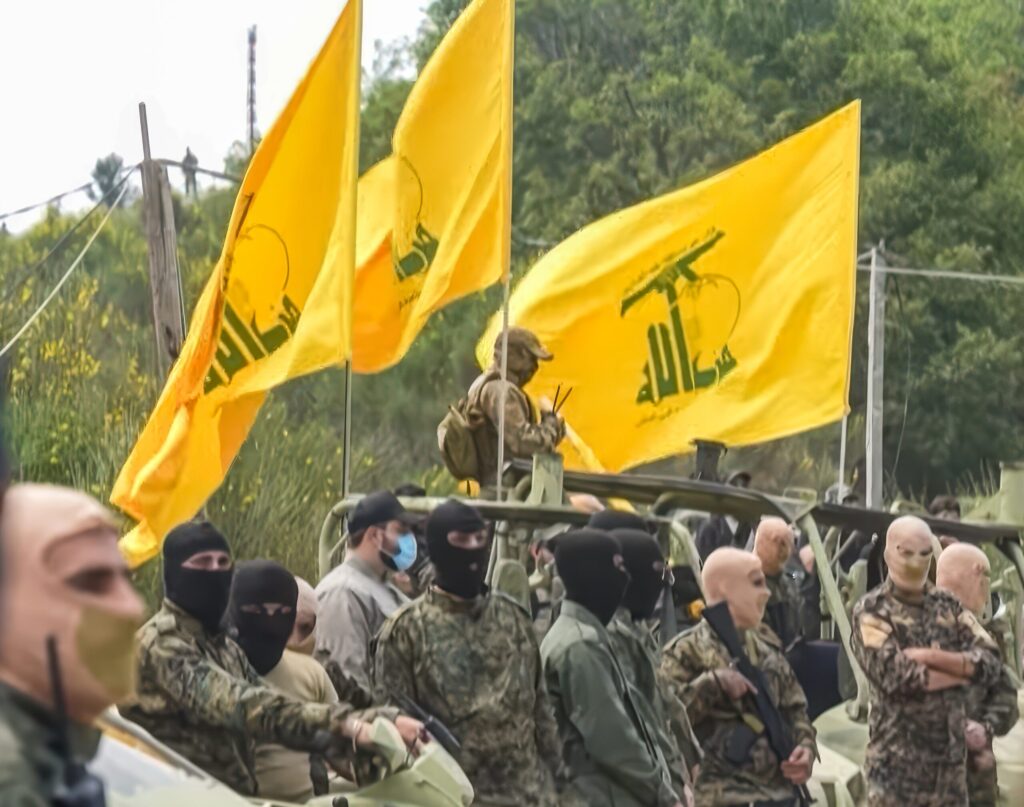
The IDF views the UNIFIL mission to disarm Hezbollah since 2006 as an utter failure. Walid Phares, a leading U.S. expert on Lebanon and the Middle East, told Channel 14 that “On paper, the Lebanese republic is supposed to be independent, sovereign and free from foreign interventions. In reality, since the Lebanese war, and specifically since the end of the Cold War and the Hezbollah-Israel confrontations, the Lebanon that was in the past free and sovereign is no more.” He said, “Hezbollah controls Lebanon from inside.” Since 2008, he argued that Hezbollah has “dominated the central government” in Lebanon. He noted that “Lebanon’s sovereignty” has been breached because of the late Syrian dictator Bashar al-Assad’s occupation of Syria until 2005. Phares termed the Hezbollah control of the power politics of Lebanon an “ongoing coup inside Lebanon.”
Phares argued that there is an “appearance” of an unfettered state but the President, Prime Minister and Speaker of Parliament “are all at the mercy of Hezbollah.”He continued that Hezbollah has assassinated leaders of the Lebanese government and army over the years. “Lebanon is controlled and dominated by an Islamist Khomeinist militia.”Ruhollah Mostafavi Khomeini (commonly known as Ruhollah Khomeini) was the Islamist revolutionary founder of the Islamic Republic of Iran.
 5+
Phares said the Lebanese negotiations with Israel “were not completely free.” The Lebanese representatives, including the Lebanese Ambassador to the U.S., who negotiated with Israel over a peace process “may be free personally but they were controlled by a state that Hezbollah terrorizes.” He concluded that “Sovereignty will be back when Hezbollah is disarmed.”
Alma, an Israeli education and research center focused on security along Israel’s northern border, issued a new report on Wednesday that echoed many of the points from Phares and Ghaddar about the lack of Lebanese civilian sovereignty in the state. The report is titled: The “Hezbollah State” Within the Lebanese State: Mapping the Network of Area and Sector Heads That Sustains the “Resistance Society.”
 5+
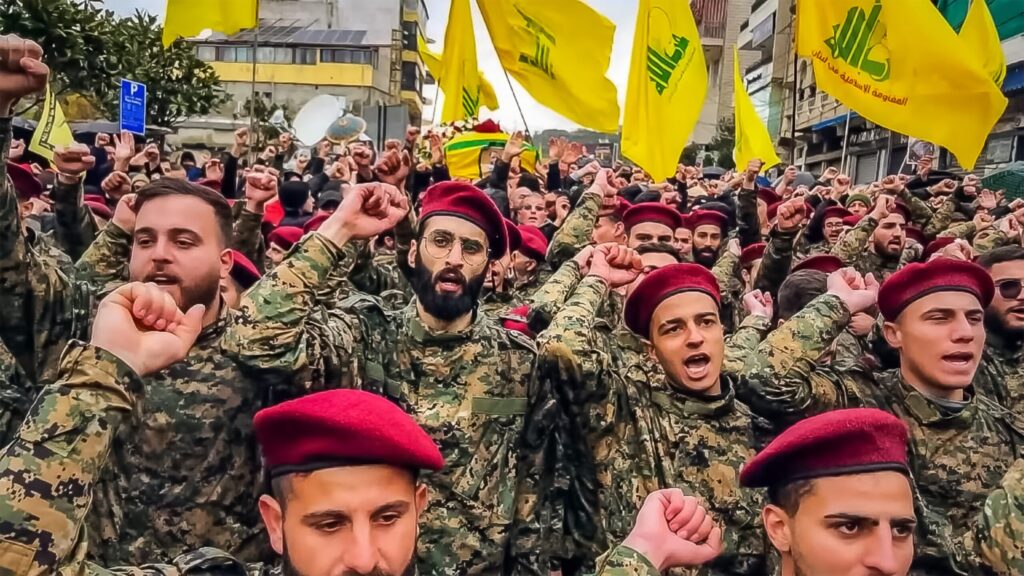
According to the new report, Hezbollah carved the state into five areas: the two southern areas are known as the “First Area” of Jabal Amel and the “Second Area” of Jabal Amel; the Beirut Area is designated the “Third Area”; the Bekaa Area is termed the “Fourth Area”; and the Mount Lebanon and North Area are classified as the “Fifth Area.”
Alma noted Hezbollah’s deep penetration into civil society. “Hezbollah’s civilian infrastructure is its ‘game changer.’ It is more than a support mechanism for the organization: it is one of the central sources of strength that enable its continued existence as a military force.”