



Political negotiations aimed at forming a national unity government plunged into a severe crisis on Monday after Prime Minister Benjamin Netanyahu expressed intense anger in closed-door discussions over the conduct and public statements of Prime Minister-designate Gadi Eisenkot, chairman of the Yashar party, issuing a firm ultimatum.
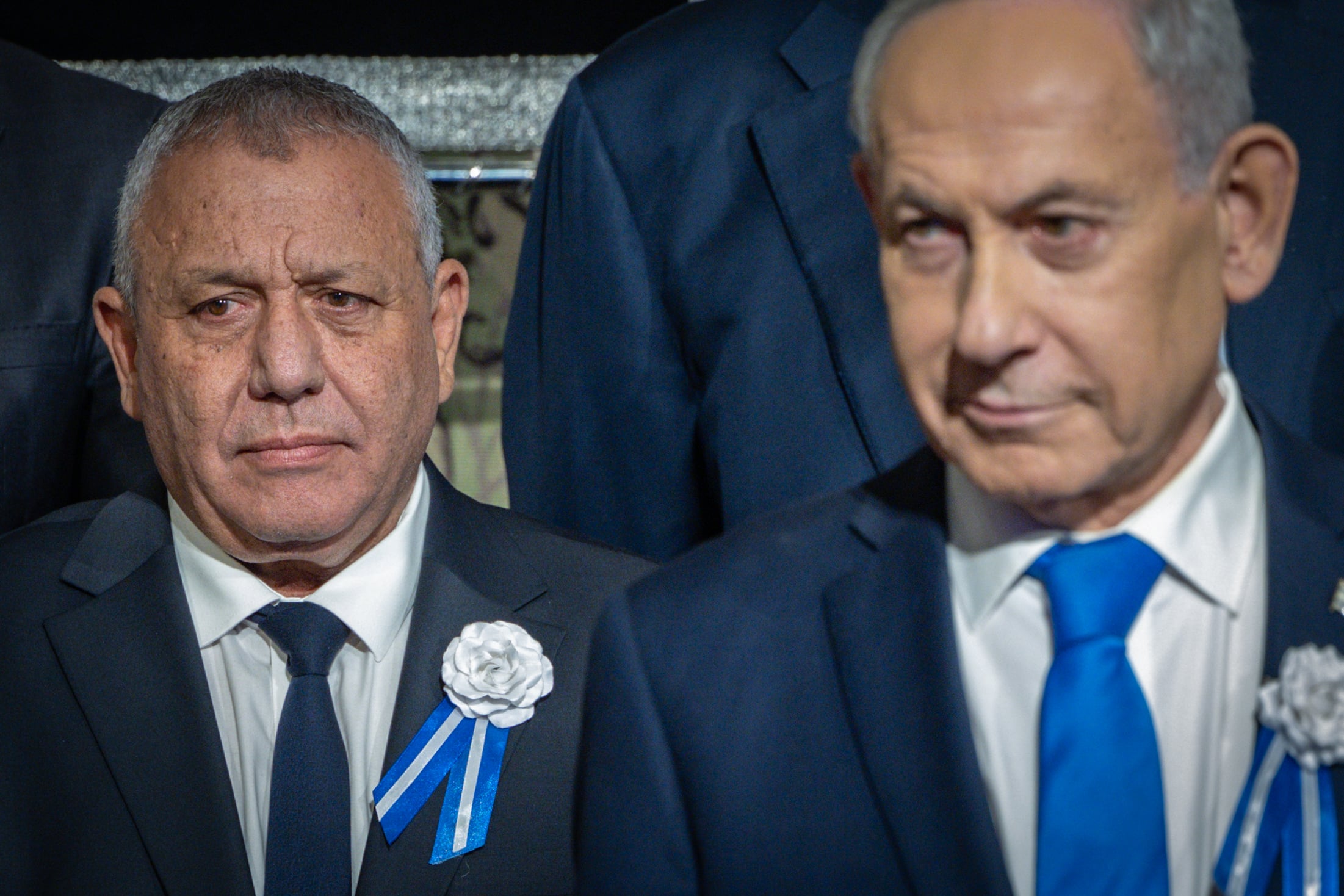
“If Eisenkot’s unbridled campaign of incitement and venom does not stop immediately, there is no longer any point in negotiations,” Netanyahu stated, according to sources familiar with the discussions. “We will no longer turn the other cheek and extend a hand for unity. He is welcome to form a government with terror supporters.” Netanyahu’s sharp remarks came roughly 24 hours after negotiating teams from Likud, Yashar, and Beyahad held an approximately hour-long working meeting in Herzliya, and against the backdrop of Eisenkot’s rejection of Netanyahu’s proposal to enter talks “without preconditions.”
Previously, Eisenkot had swiftly dismissed Netanyahu’s call for unconditional unity talks as “spin” and “the latest bluff,” declaring that “these tricks do not work on me,” while conditioning any political partnership on “parting ways with the extremists”—a reference to excluding National Security Minister Itamar Ben-Gvir—and backing the replacement of the Knesset Speaker. The confrontation between the two leaders escalated to a new peak on Sunday evening when Eisenkot published a strongly worded statement characterizing Netanyahu and his inner circle as a “tangible, direct, and immediate threat to Israeli democracy,” asserting that “there is no restraint he has not lost and no boundary that has not been crossed,” following a Channel 12 investigative report.
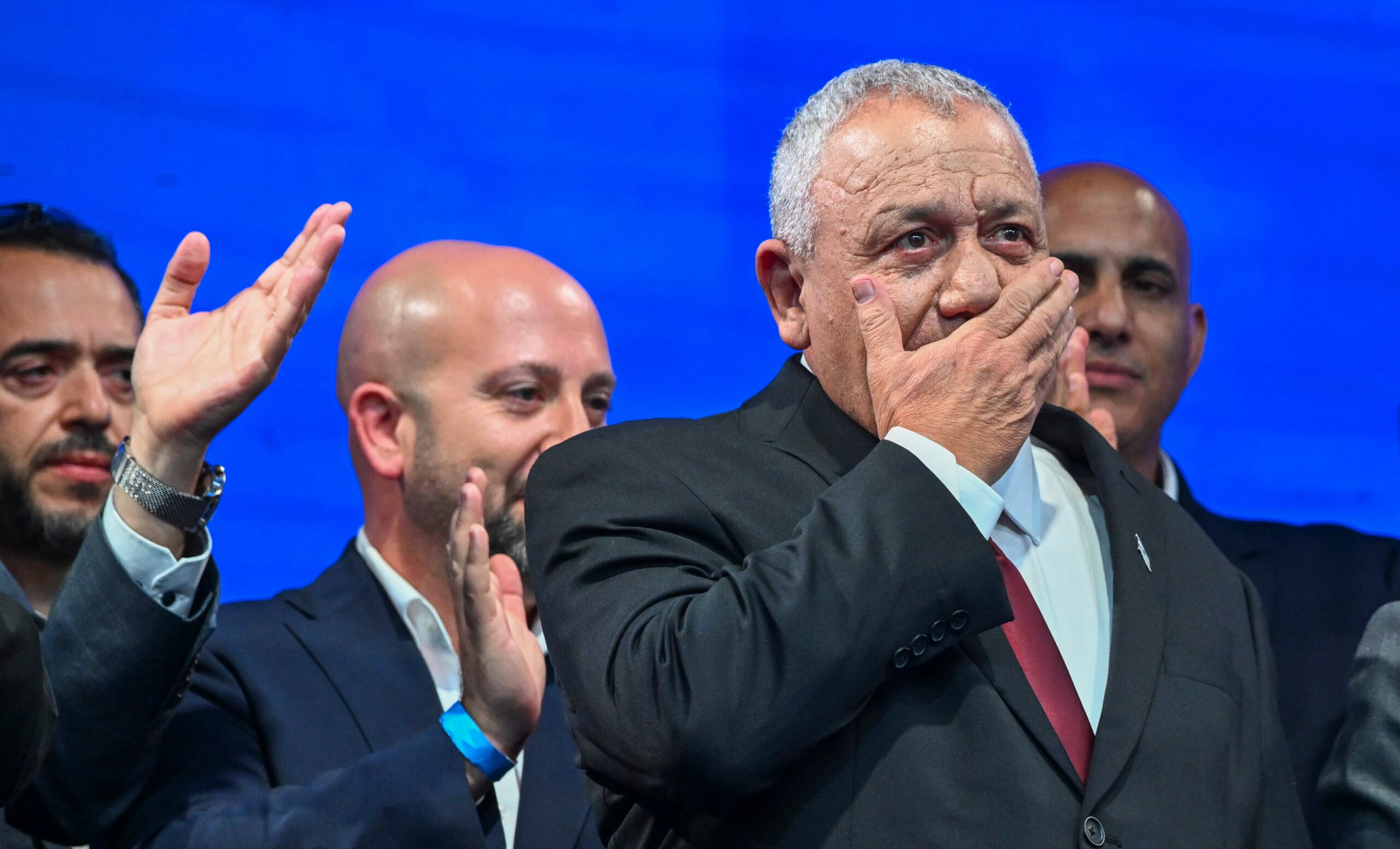
Eisenkot further declared that “under no circumstances must Netanyahu continue to hold the reins of power for even one additional minute,” arguing that so long as Netanyahu remains in office, “fair and kosher elections will no longer be held in Israel.” That statement followed a series of confrontational steps taken by Eisenkot since the swearing-in of the 26th Knesset—ranging from canceling an initial negotiating session last week on the grounds that Netanyahu’s Knesset speech was “delusional, divisive, and unfit,” to sending the prime minister an official warning letter urging him, “Do not desecrate the trust of the people.”
Now, as Eisenkot’s mandate to form a government enters its second week, the divides between the two sides appear virtually unbridgeable. While Likud officials accuse the opposition bloc of conducting intensive talks with Ra’am and the Joint List in order to swear in a government reliant on their parliamentary backing, Netanyahu’s ultimatum signals that room for political maneuver is rapidly closing: unless an immediate shift occurs in the aggressive line led by Eisenkot, the doors to a unity coalition will shut permanently—placing Israel’s political system on a direct trajectory toward repeat elections.