



Yashar Party Chairman MK Gadi Eisenkot addressed the prospect of forming a national unity government on Sunday, making clear that securing a parliamentary majority alone is not enough to build a viable coalition. Speaking at a faction seminar in Sde Boker amid ongoing contacts with Likud, Eisenkot emphasized that forming a unity government requires substantive agreements on foundational values and policy areas—chief among them military service, state education, and mutual civic responsibility.
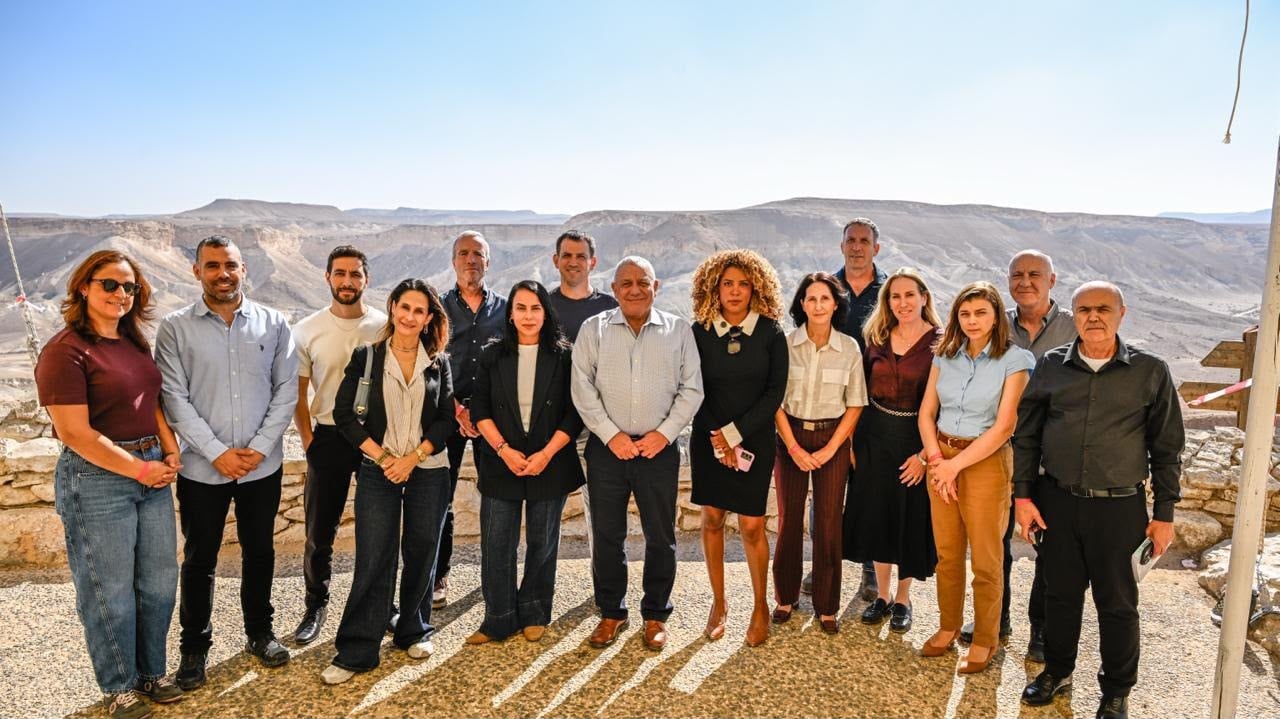
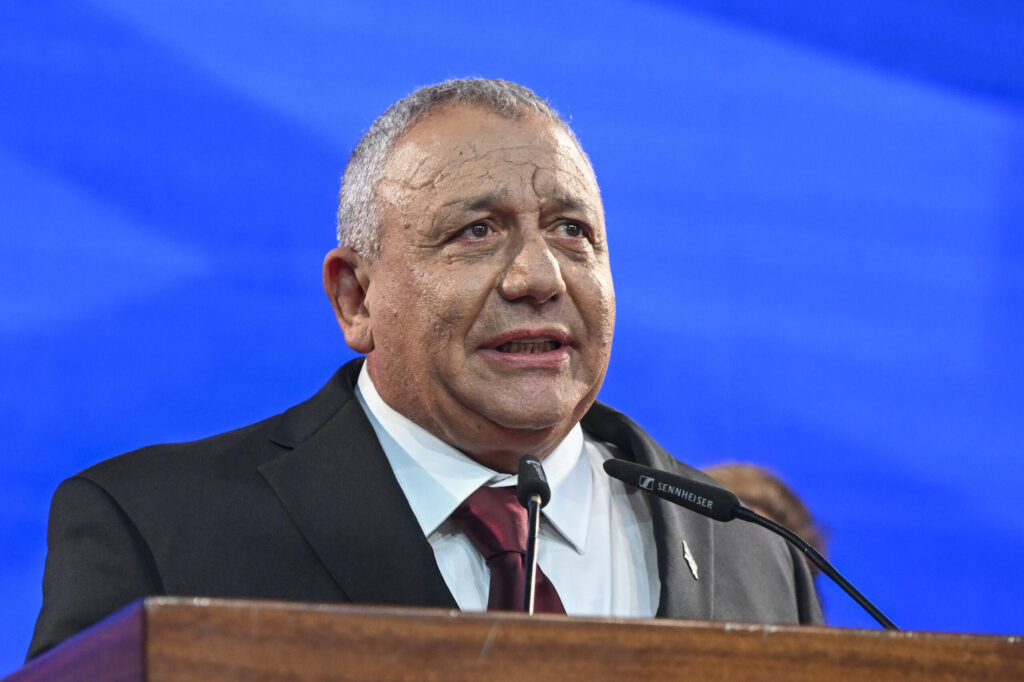
“People tend to speak of unity in the context of political conjuncture,” Eisenkot said. “In my eyes, the content of unity in values is far more important than the political closing of a national unity government.” His remarks came shortly before the scheduled meeting between the negotiating teams of Likud and Yashar, held as part of efforts to examine whether common ground exists for establishing a joint government. Simultaneously, political contacts are underway to explore alternative coalition configurations, including the possibility of relying on the ultra-Orthodox (Haredi) parties.
Eisenkot outlined the core principles that he believes must anchor any inter-party agreement rather than being pushed aside in favor of dividing cabinet portfolios or assembling a Knesset majority. “The question is what shared values and issues are promoted in such a government—in state education, in mutual responsibility, in military service, in public service, and in the mutual commitment of citizens to the state, and what connects all citizens of the State of Israel,” he stated.

 1+
The emphasis Eisenkot placed on military service carries heightened political significance given concurrent negotiations with the Haredi factions, which have made regulating the draft status of yeshiva students one of their central coalition demands. Eisenkot delivered his remarks during a study day held by the Yashar faction at the Ben-Gurion Heritage Institute in Sde Boker, ahead of the annual state memorial day commemorating Israel’s first Prime Minister, David Ben-Gurion, on Monday. “We are at a historic crossroads that we can and must reshape,” Eisenkot declared, reiterating that discussions surrounding a unity government must focus on substantive policy rather than solely on the political mechanics required to assemble a coalition.
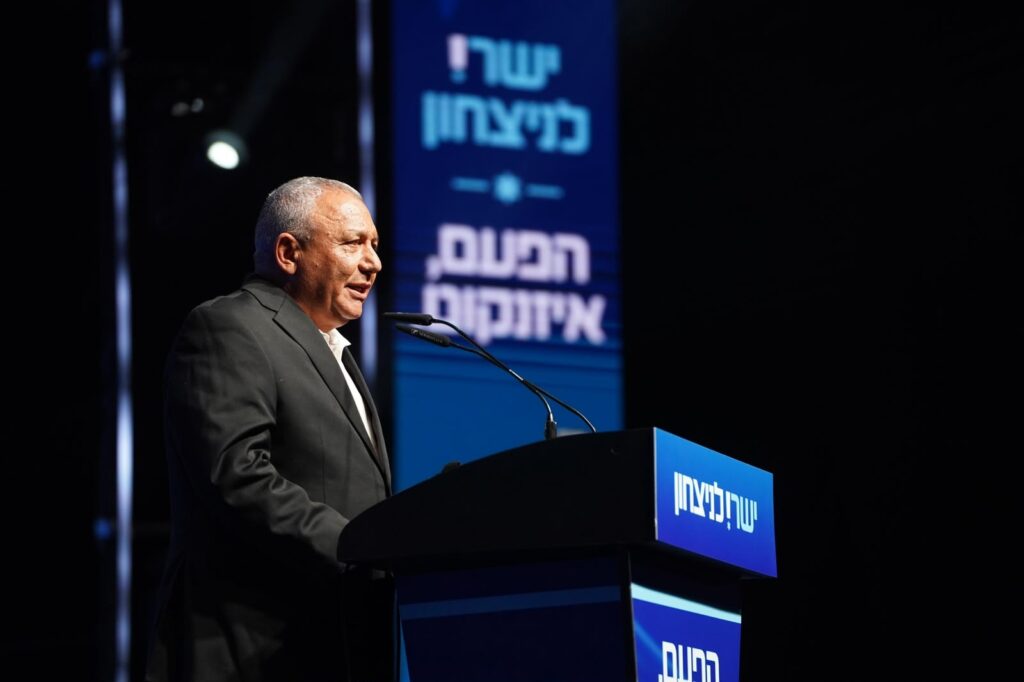
“We came here to Sde Boker to speak about unity, about stateliness, and also about military service, state education, public service, and unity within Israeli society—not merely through a vote in the Knesset or talks where the headline is unity, but to see what the meaning is in substance,” he said. “Not just in some political conjuncture that enables a majority in order to create an appearance of stability. The question is what values we are going to advance.”
 1+
In a parallel development, the Beyahad party—headed by Naftali Bennett and Yair Lapid—is also expected to participate in the coalition talks. A Beyahad representative is slated to join the negotiating session between the Likud and Yashar teams, expanding the talks beyond the two parties alone.
The addition of a Beyahad representative may signal an effort to examine a broader political framework for establishing a national unity government, though it has not yet been announced who the representative will be or what understandings could be reached.