


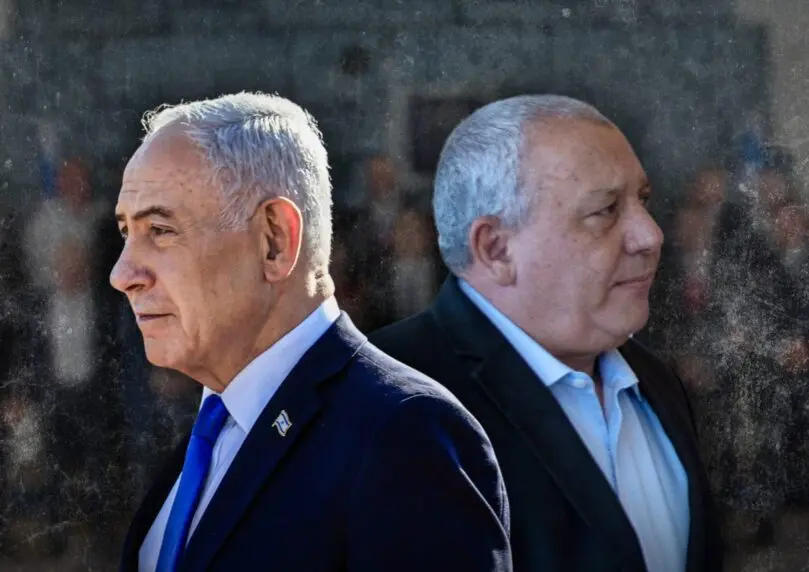

Yashar Party Chairman MK Gadi Eizenkot announced this evening (Tuesday) that he had “ordered the cancellation” of a negotiation meeting scheduled for tomorrow with Likud representatives. He attributed this decision to Prime Minister Benjamin Netanyahu’s speech at the swearing-in ceremony of the 26th Knesset. The decision came just hours after Netanyahu called for the formation of a national unity government and warned against establishing a narrow government that would rely on Arab factions.
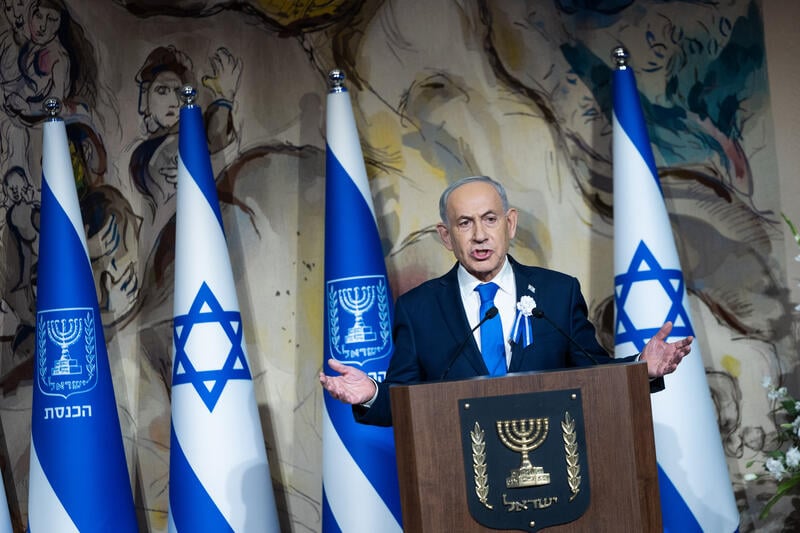
The irony of this decision is particularly striking, given that the meeting had been arranged at the initiative of the Yashar Party itself—which had reached out to all parliamentary factions, proposing negotiations based on four specific principles it had set for the formation of a government. Yet, before the parties could even sit down at the negotiating table, Eizenkot decided to call off the meeting.
The Yashar Party explained the move by citing what they termed “the outgoing Prime Minister’s divisive speech” and “the desecration of the Knesset swearing-in ceremony,” further declaring that “Netanyahu does not want unity.” This assertion comes from the very party that canceled the meeting with the ruling party—even after the Prime Minister had publicly called for the formation of a broad-based government. “Unity is an important value for Israel,” declared members of Eisenkot’s party, adding that Netanyahu prioritizes his own “political survival” over the resilience of Israeli society. Yet, the decision to call off negotiations with the Likud raises an obvious question: how can the stated importance of unity be reconciled with a refusal to hold even an initial negotiating session?
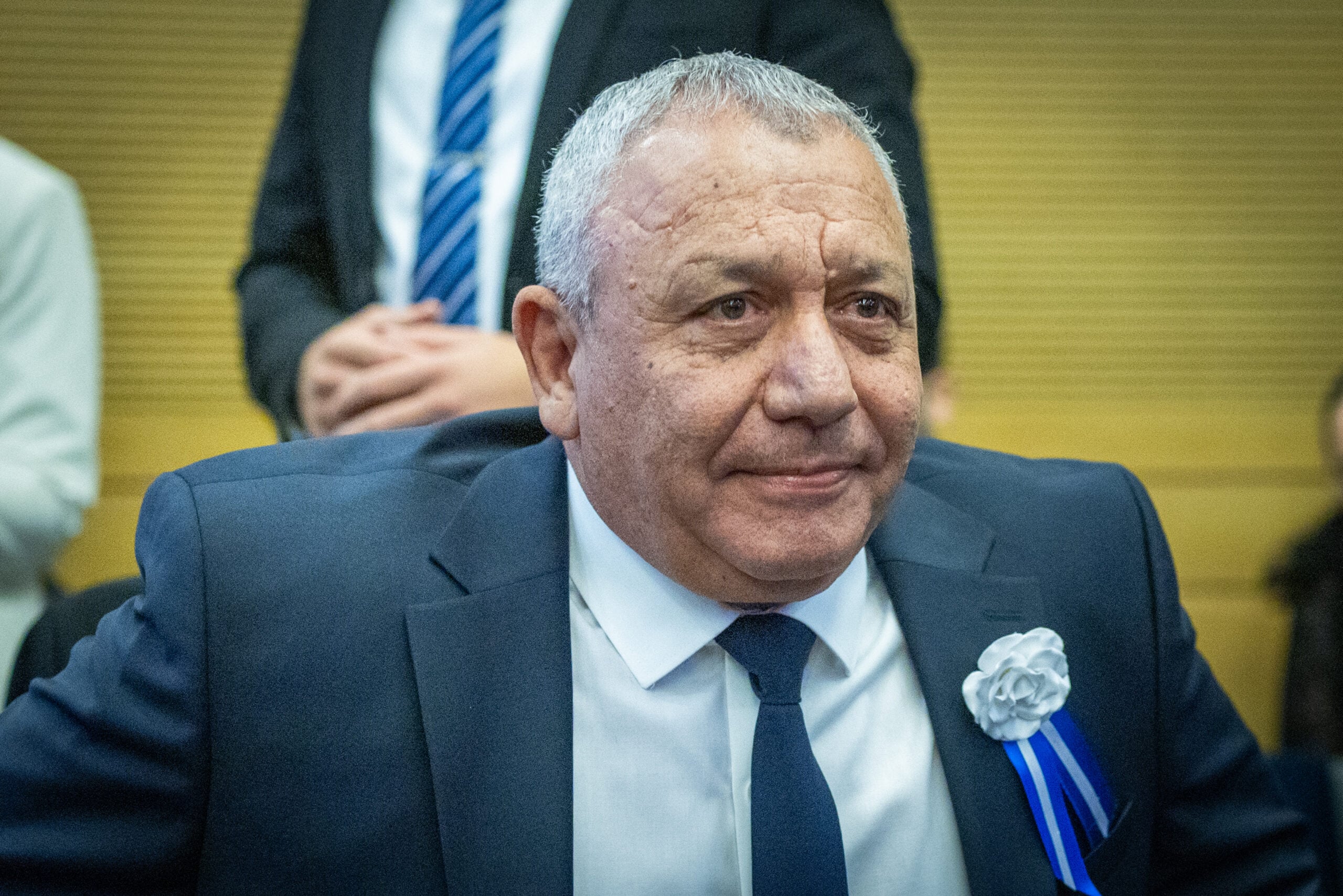
This move takes on added significance in light of the possibility of forming a government that relies on the support of Arab factions—a scenario Netanyahu warned against in his speech. While Eisenkot has, for the time being, ruled out negotiations with the Likud due to a political speech, the question regarding the composition of the government he seeks to form—and the parties whose support it might rely upon—remains open.