


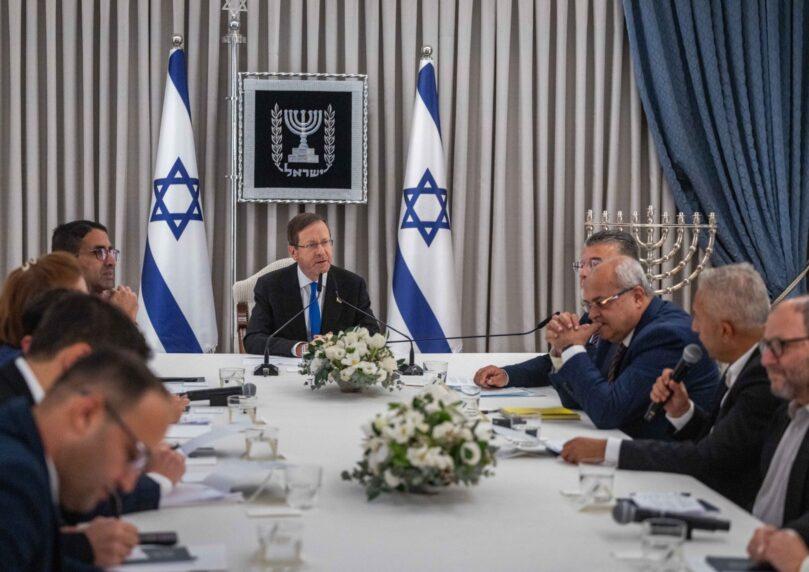

President Isaac Herzog wrapped up coalition consultations Thursday evening after two days of meetings with representatives from all 12 parties elected to the 26th Knesset. The factions presented their recommendations for who should be tapped to form Israel’s next government. Likud, the final party to meet with Herzog, recommended Prime Minister Benjamin Netanyahu. The president is expected to make a formal announcement shortly on who will get the mandate to form the next government.
Five parties recommended Netanyahu: Likud, Shas, Religious Zionism, Jewish Power, and Zehut, led by Moshe Feiglin—totaling 46 Knesset members. Six parties recommended Yesh! party leader Gadi Eisenkot: Yisrael Beiteinu, The Democrats, Ra’am, the Joint List, Yachad, and Yesh!—totaling 67 Knesset members. United Torah Judaism was the only party that declined to recommend any candidate.
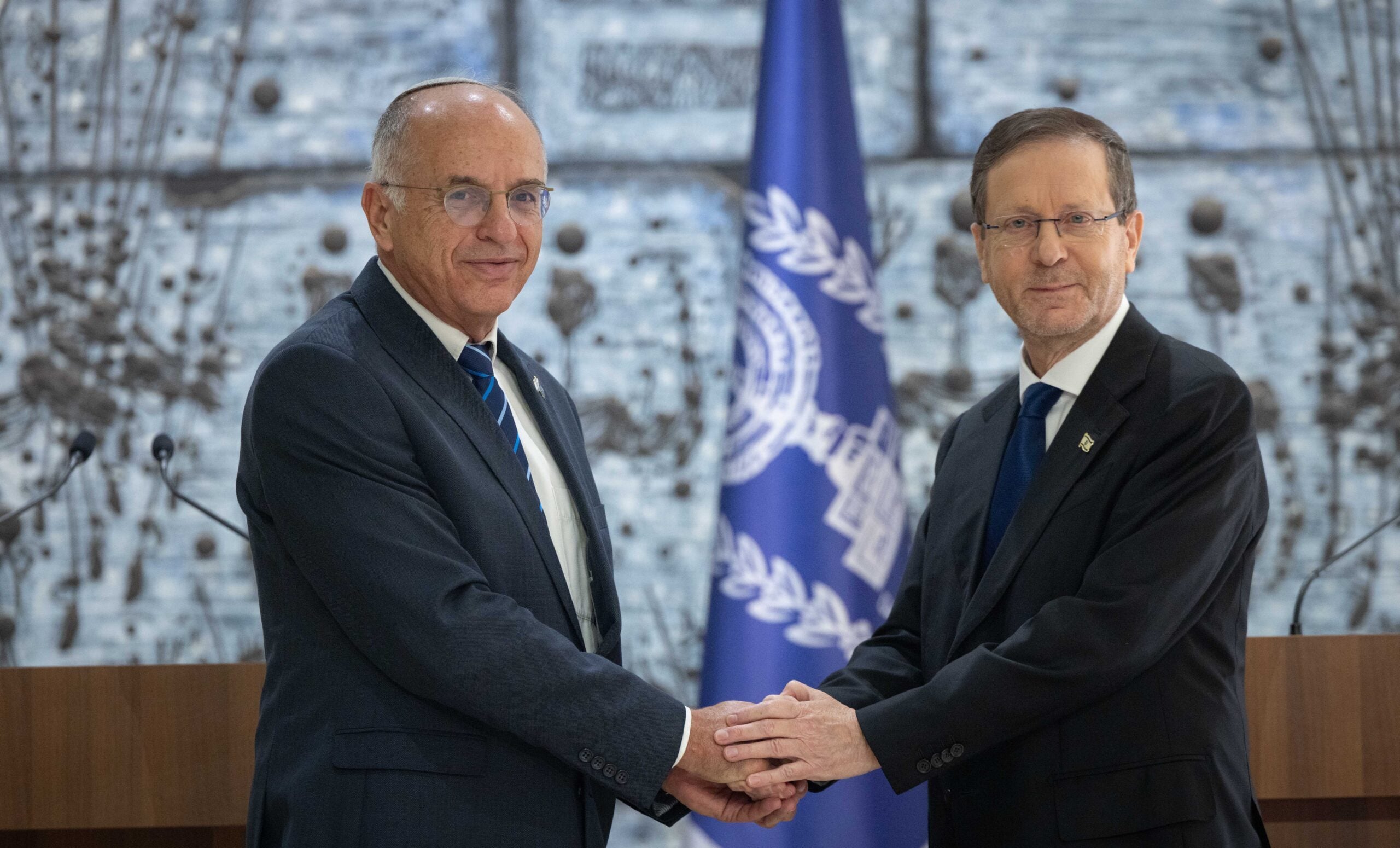
The meetings at the President’s Residence took place against a backdrop of political disputes over key issues, including the ultra-Orthodox draft law, serious allegations of attempts to influence election integrity, and the question of cooperation with Arab parties. During the meeting with Religious Zionism representatives, Minister Orit Strock voiced opposition to including Arab parties in the coalition, and made clear that in her view they should not be included in parliamentary processes either.
At the Otzma Yehudit delegation’s meeting with the president, Minister Yitzhak Wasserlauf asked Herzog to demand that anyone coming to recommend a candidate for forming the government declare that Hamas is a terrorist organization. Wasserlauf also raised allegations about damage to election integrity and attempts to influence results. Moshe Feiglin, representing Zehut, also raised concerns with the president about suspected ballot manipulation.
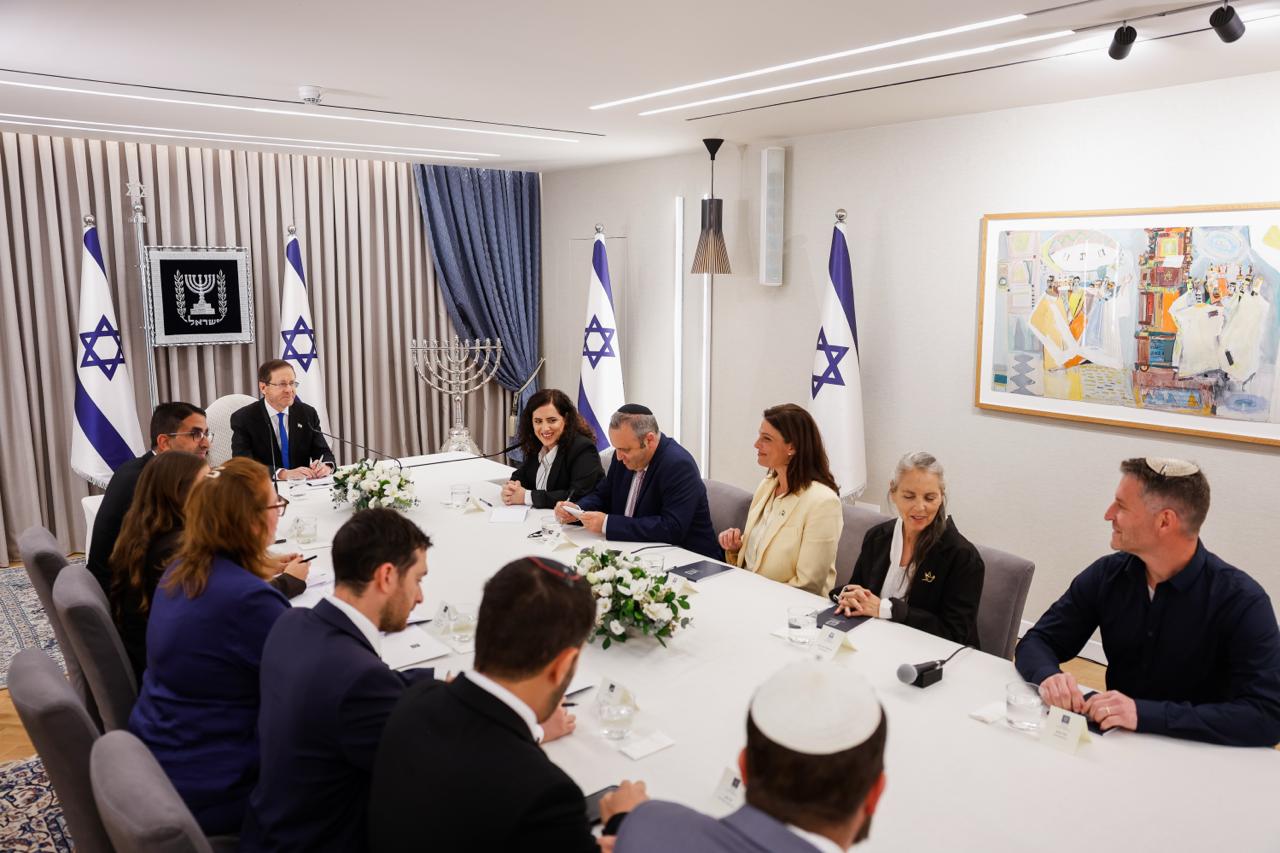
Yisrael Beiteinu representatives recommended Eisenkot but made clear they are unwilling to sit in a government with the Joint List. The Joint List, for its part, said the decision was made out of a desire to prevent Netanyahu’s return to power, alongside disagreements that remain between them and Eisenkot. United Torah Judaism abstained from recommending any candidate, with its representatives focusing on the draft law and regulating the status of yeshiva students.
Once the mandate is given, the chosen Knesset member will have 28 days to form a government, and the president can extend the period by up to 14 additional days. If the candidate fails to form a government, the president can assign the task to another Knesset member, who will have 28 days with no possibility of extension. If that candidate also fails, the president can announce he sees no possibility of forming a government, at which point a majority of Knesset members will have 21 days to submit a request to assign the task to a Knesset member who has their support. In that case, the candidate will have 14 days to form a government. If no such request is submitted or the third candidate also fails, the Knesset will dissolve and new elections will be held.