


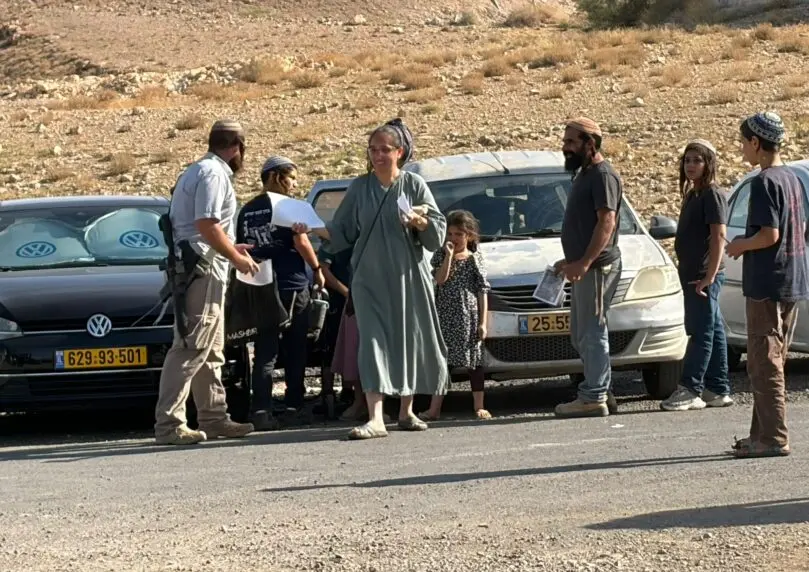

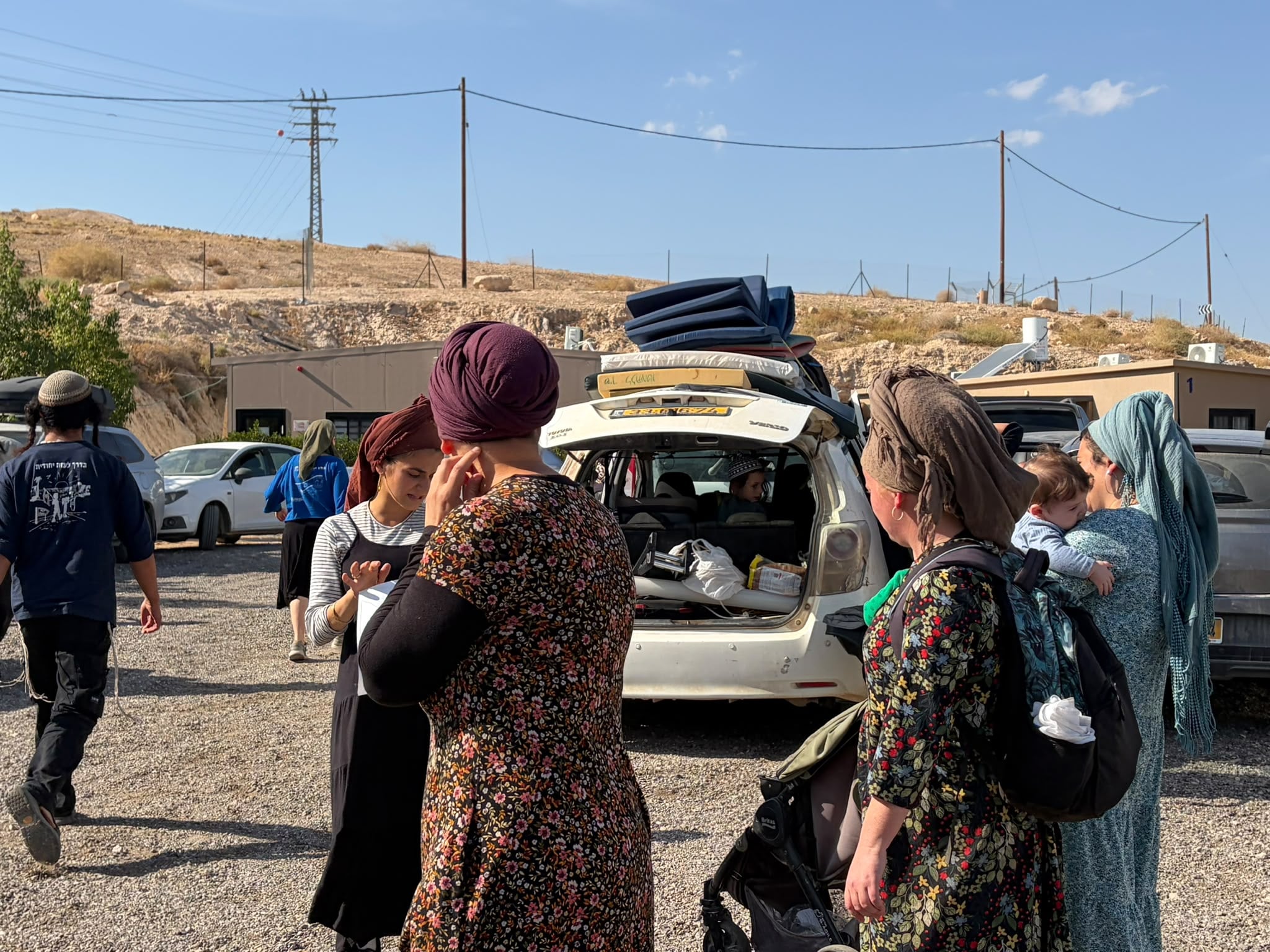
Eight Jewish families are moving into buildings in the city of Jericho today (Wednesday) in an operation kept secret until the last moment. The move is led by the Nachala movement and the Binyamin Regional Council, which purchased the buildings and transferred them to Jewish ownership with the goal of establishing the first Jewish neighborhood inside the Muslim city.

 2+
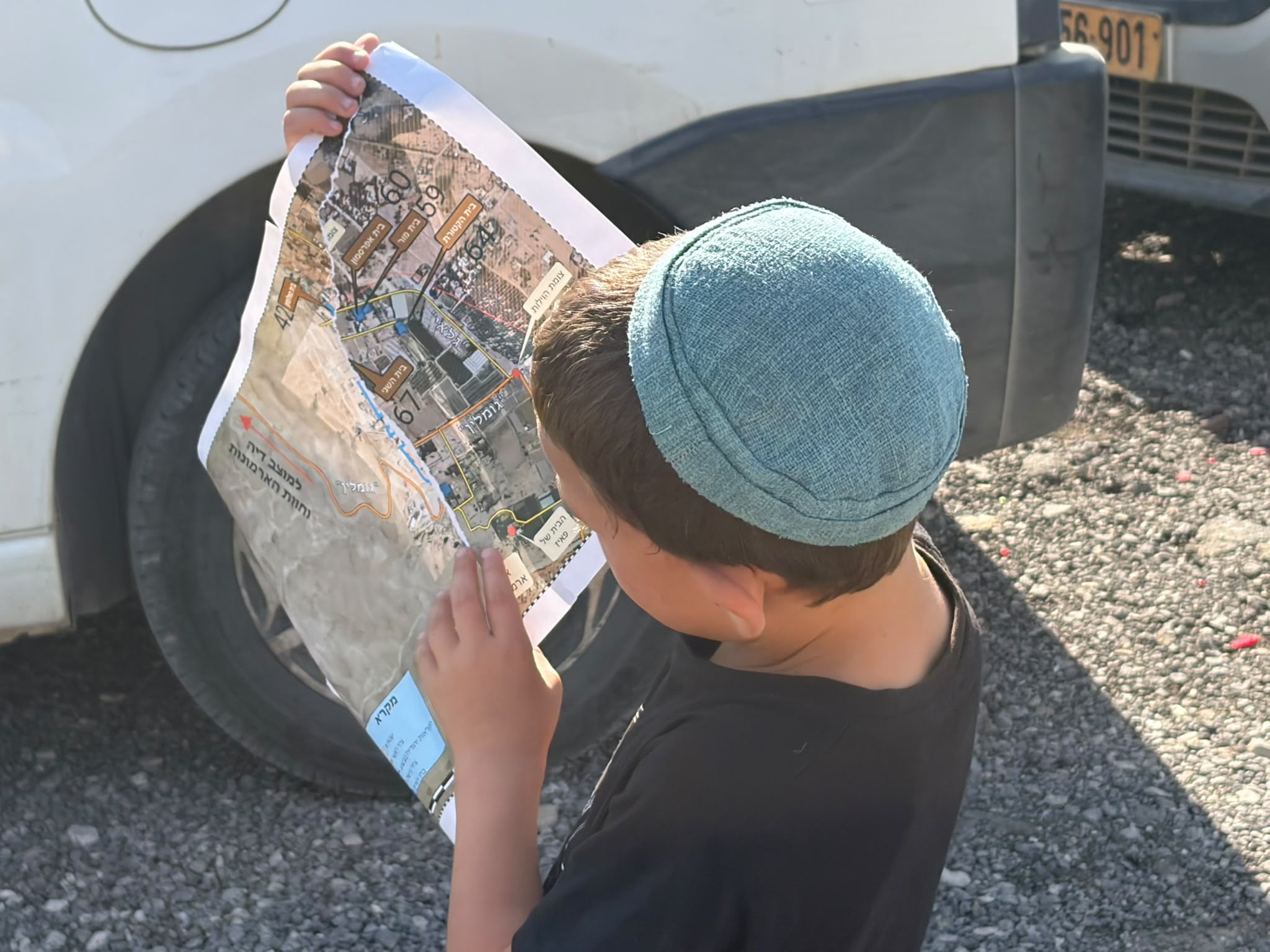
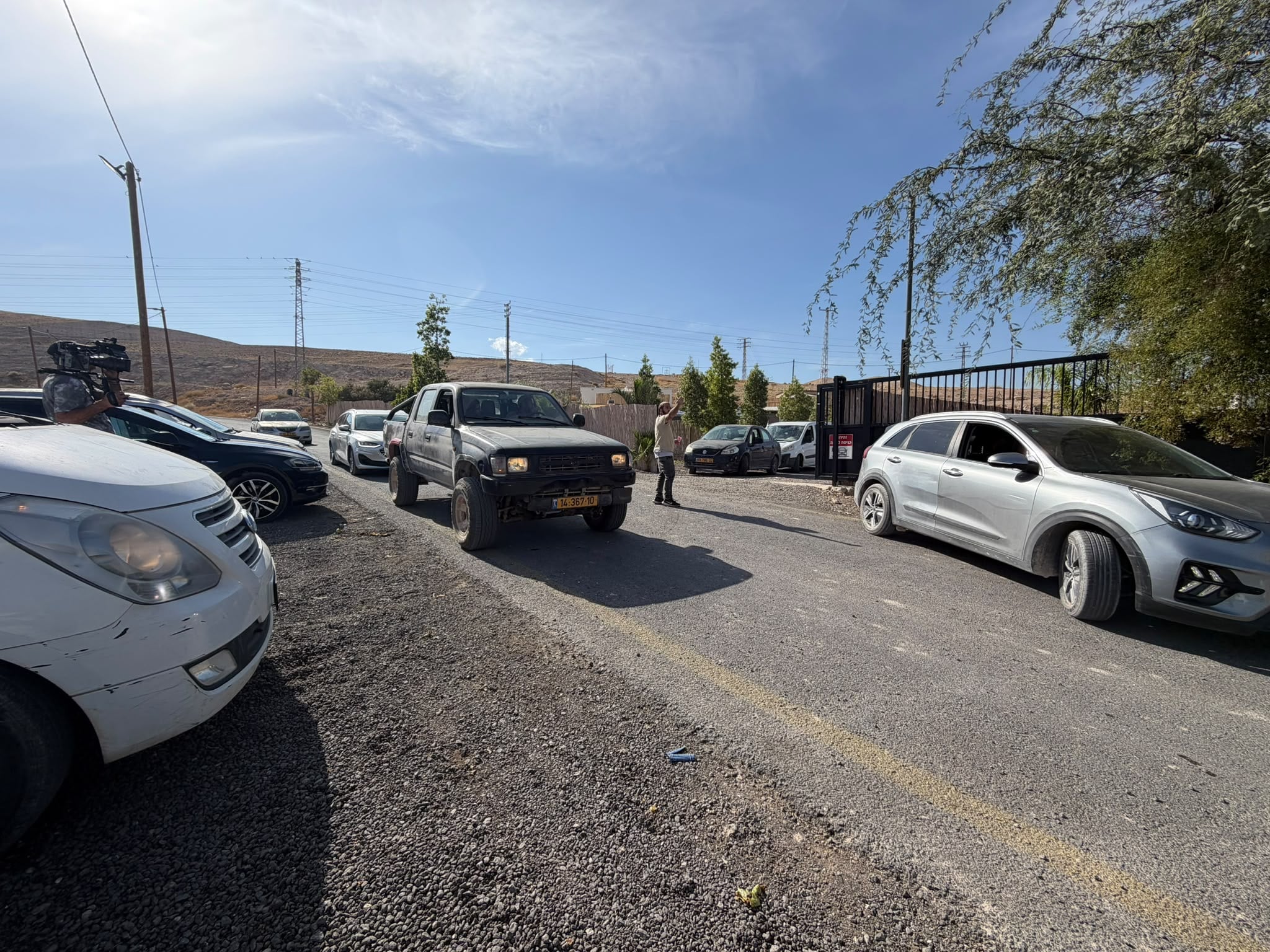
The families’ entry into the buildings is being carried out in an operation organized like a military activity. The move was coordinated with the Binyamin Regional Council but without coordination with other authorities, and was kept secret until the moment of entry. In addition, a new community called Dia is being established simultaneously with 10 caravans in the area of the Hasmonean palaces.
Jericho is a large Muslim city in the Jordan Valley, and from the Hasmonean period until today, no Jews have lived there. The current move is expected to change the reality in the city, with the entry of the eight families and the establishment of the first Jewish neighborhood within its boundaries, except for the city of Hebron.
Failed Settlement Attempts
The current attempt to renew Jewish resettlement inside Jericho is not the first of its kind. Already in the 1970s, attempts were made to establish Jewish resettlement in the city, as part of the activities of the Jericho nucleus, which was established at the end of 1973 with the goal of renewing the Jewish presence in the city. Members of the nucleus sought to promote urban and agricultural resettlement and to establish a yeshiva and Torah college there.
 2+
In those years, the Israeli government refrained from approving Jews living inside Jericho and its surroundings, partly due to the large Arab population in the area and because of the Allon Plan, under which the Jericho area was intended to serve as a passage between parts of Judea and Samaria under Arab control and Jordan. Members of the Jericho nucleus saw settlement in the city as a goal of historical, religious, and security significance, and in a memorandum they submitted to the government wrote: “It has been known since time immemorial that Jericho is the key to the redemption of the Land.”
Members of the nucleus conducted tours and tried several times to reach the city and establish a settlement point there. One of the prominent attempts occurred during Chol HaMoed Sukkot 5738, as part of a Gush Emunim operation to establish 11 points in Judea and Samaria. Members of the Jericho nucleus arrived in the area with a bus, vehicles, and trucks loaded with equipment and prefab parts, but IDF forces ordered them to evacuate. After negotiations, they left the area.
The Jericho nucleus was one of the active nuclei of Gush Emunim, and at the beginning of 5738 its activity was redirected to establishing Mitzpe Jericho, after efforts to resettle inside the city did not succeed. Members of the nucleus moved to the location where the community exists today, and Jewish life in the area continued outside the city limits.
 2+
In recent years as well, the Jewish presence has continued in the area above Jericho. Chanan Herbst, his wife Leah, and their ten children moved about two years ago to the “Katef Yericho” farm, which overlooks the city and the Jewish heritage sites around it. The farm is located in the area between the Duk fortress and the Kypros fortress, two fortresses that served during the Hasmonean period, and from it one can also overlook the Hasmonean palaces and Jerusalem.
Now, with the entry of the eight families into the buildings purchased inside Jericho, the attempt to establish a Jewish presence inside the city returns to center stage. After decades in which previous attempts did not mature into establishing a community inside the city, the current move seeks to open a new chapter in Jewish life in the place.