




Today’s U.S. midterm elections feature 35 Senate seats up for grabs—two more than the usual third—following the departures of Marco Rubio and JD Vance. Republicans currently hold 22 of those seats, while Democrats hold 13.
The higher number stems from two special elections to fill seats that opened when Trump took office. Republicans currently control the Senate 53-47. Democrats need 51 seats to take control, while Republicans need just 50—the vice president breaks ties.

 1+
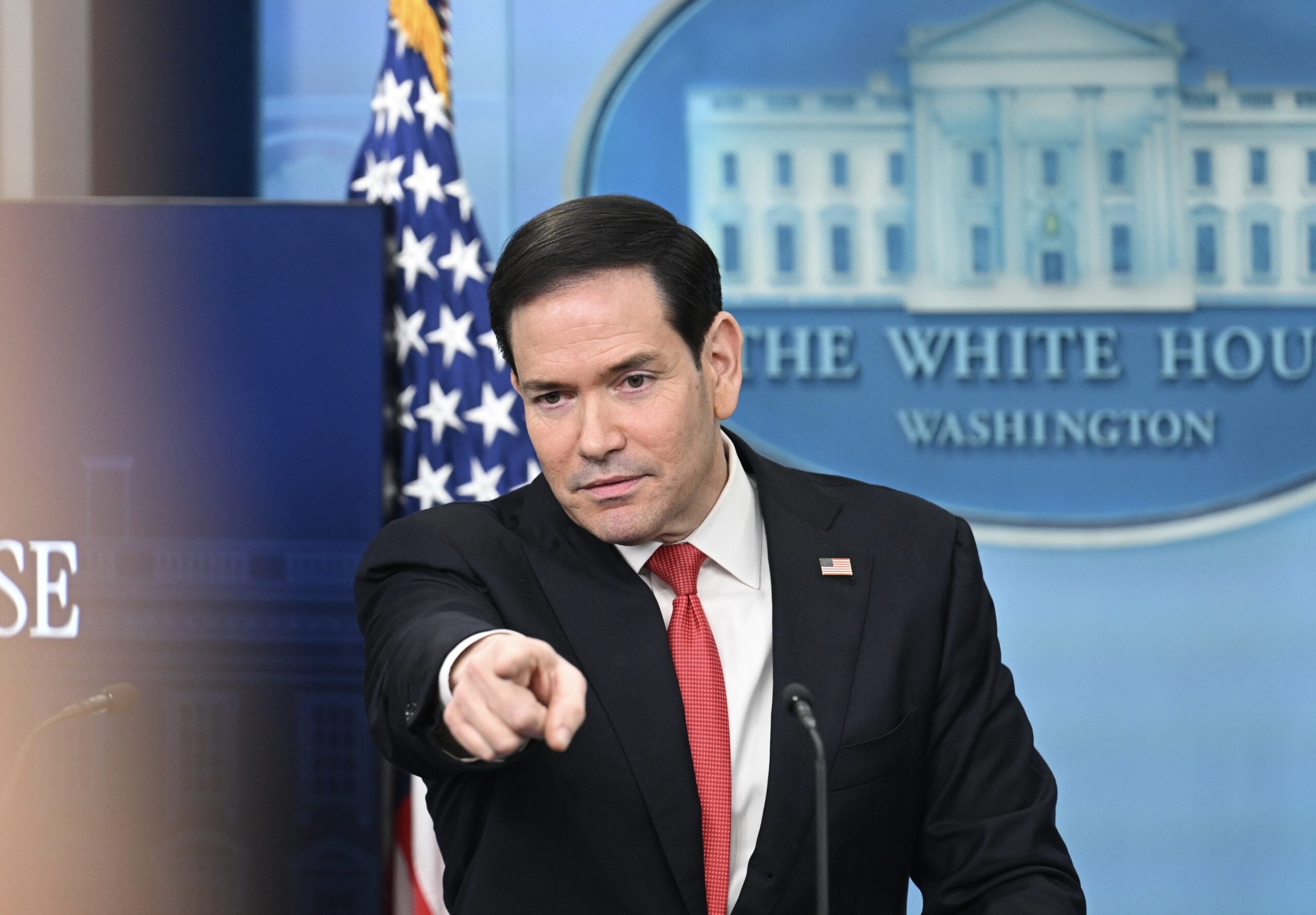
In Florida, Rubio left the Senate to serve as Secretary of State, and Governor Ron DeSantis appointed Ashley Moody, who had been serving as the state’s attorney general, to replace him. In Ohio, Vance departed after being elected vice president, and Governor Mike DeWine appointed his lieutenant governor, Jon Husted, to fill the seat. The appointments are temporary—the U.S. Constitution requires senators to be elected by the public, so the special elections were scheduled for today’s general election date.
The winners in these two seats won’t get the full six-year term that regular Senate electees receive. Senate terms are tied to the seat, not the person occupying it, so they’ll only complete the two years remaining from Rubio’s and Vance’s terms, through January 2029. In the 2028 elections, the seats will return to the regular cycle, and whoever wins will serve a full six years.
 1+
According to CBS, the battle for Senate control is expected to be decided in 11 key states, including Maine, North Carolina, Michigan, and Texas. The outcome could take several days—in the 2022 midterms, control wasn’t determined until four days after Election Day. Maine and Alaska, which host pivotal races, use ranked-choice voting systems that could delay results.