




U.S. President Donald Trump faces a test today (Tuesday) in the midterm congressional elections, up against a historical pattern that shows no mercy to the president’s party. In the House of Representatives, which has 435 seats and requires 218 for a majority, terms last just two years, and all seats are up for election. In the Senate, which has 100 members, terms last six years, with roughly a third rotating every two years. According to data from the American Presidency Project at the University of California, Santa Barbara, the party controlling the White House has lost House seats in 20 out of 23 midterm elections since 1934, surrendering an average of 27 representatives each time.


 1+
One of the most striking losses came in 1994, two years after Bill Clinton entered the White House. Democrats lost 54 seats, and Republicans seized control of the House 230 to 204. The Senate also flipped to Republican control, 52 to 48. Despite the blow, Clinton won a second term in 1996, and in the 1998 midterms his party even narrowed the gap, though Republicans maintained a 223 to 211 majority. Another exception came in 2002, when George W. Bush’s party strengthened its hold in both chambers, reaching 229 representatives and 51 senators.
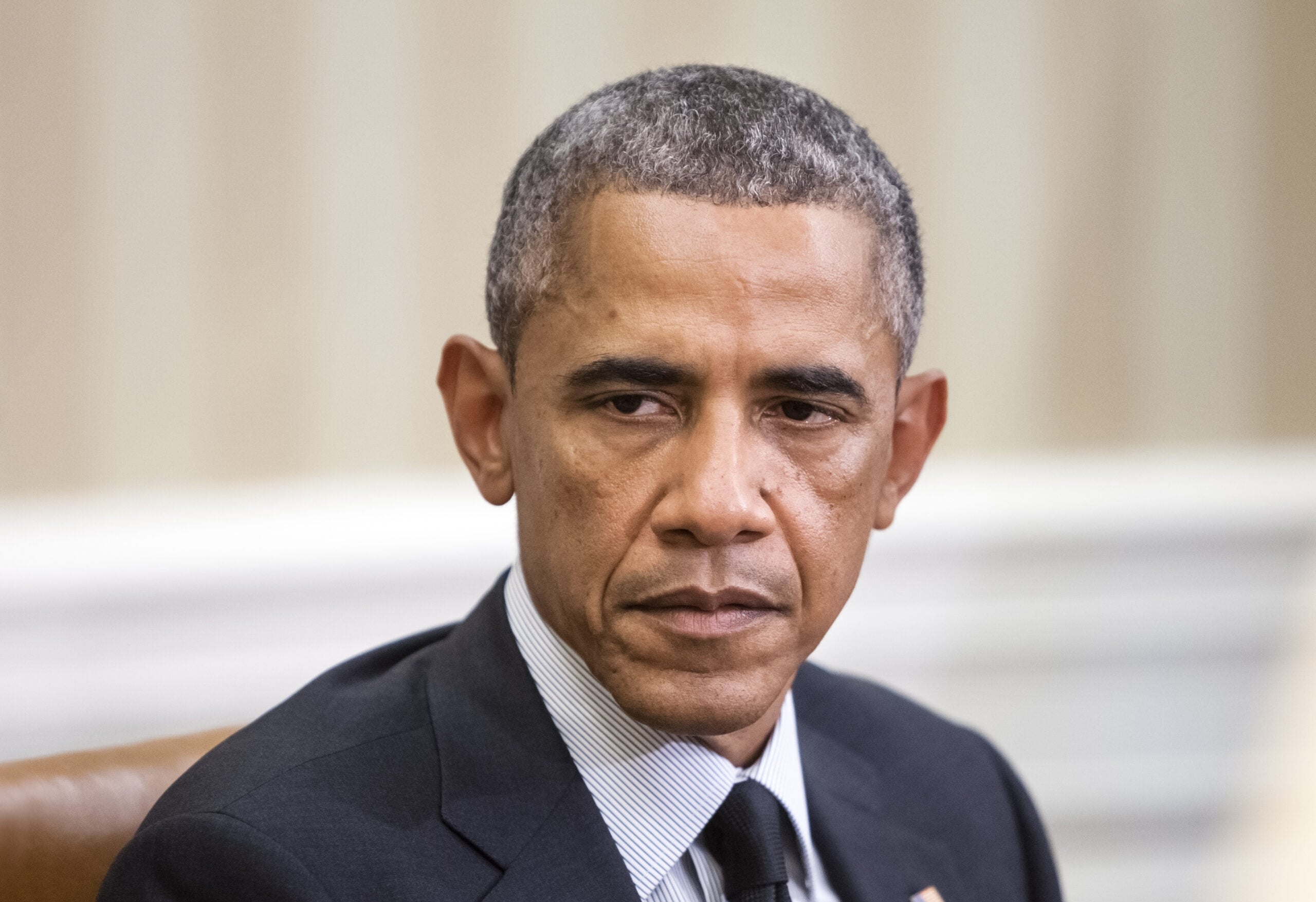
Barack Obama also suffered a reversal in 2010—Democrats lost 63 seats, and the House went to Republicans 242 to 193. In the Senate, his party held onto a 53 to 47 majority, but in 2014 lost that too, as Republicans won 54 senators. Joe Biden entered office with the Senate split 50-50, and under the Constitution, Vice President Kamala Harris was granted tie-breaking authority. In the 2022 midterms, his party lost the House, 213 to 222, while in the Senate it gained one seat for a 51 to 49 majority.
 1+
Trump himself experienced the trend in 2018, when Democrats won a House majority 235 to 199. In the Senate, however, Republicans strengthened their hold to 53-47. Two years later, Trump lost the presidential election but returned to the White House after his 2024 victory. Today, Republicans hold 218 House seats—exactly the required majority—against 214 Democrats, one independent, and two vacant seats. In the Senate, Republicans have 53 members to 47.