



Vote counting in Israel’s 26th Knesset election is nearing completion, bringing dramatic shifts in seat distribution. After tallying 97.3% of ballots, Likud has gained a seat to reach 27, while Shas has lost another mandate and crashed to just six seats. The Reservists-Economic party remains below the electoral threshold, and neither bloc has secured a decisive majority: 53 seats for the current coalition versus 48 for the ‘change’ bloc.
According to updated figures from the Central Elections Committee released Thursday, Likud strengthened by one seat to reach 27 after 65,968 additional votes were counted, while Shas dropped another mandate to just six seats. The count of double-envelope ballots is nearing completion.
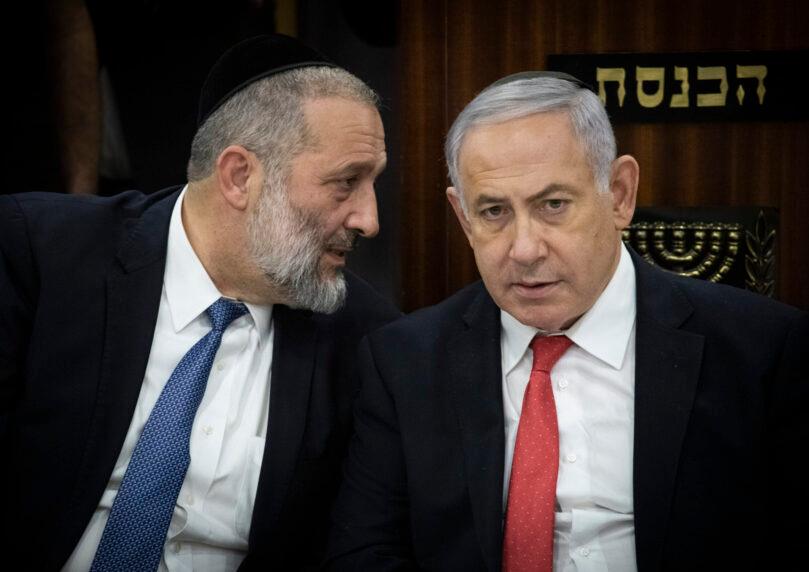
The result is particularly significant for Shas, which won 11 seats in the 2022 election. Current figures show the party led by Aryeh Deri has lost nearly half its parliamentary strength in four years, now standing at just six seats. Meanwhile, Likud under Benjamin Netanyahu managed to gain another seat during the count, reaching 27 seats in the next Knesset.
Yashar, led by Gadi Eisenkot, remains the second-largest party with 21 seats, followed by Naftali Bennett with 12 seats. The Joint List receives 11 seats, while the Democrats and Ra’am each get eight seats.
Yisrael Beiteinu, Otzma Yehudit, and United Torah Judaism each receive seven seats. Shas, as noted, drops to six seats, and the Religious Zionism and Identity party also wins six seats.
Reservists Still Out, Blocs Without Decision
One of the central dramas remaining in the vote count concerns the Reservists and Economic party led by Yoaz Hendel. Despite hopes for significant improvement following the count of soldiers’ votes, the party currently stands at 2.69% of votes—below the 3.25% electoral threshold. The Amcha Yisrael party also remains outside the Knesset with 1.65% of votes.
In terms of bloc alignment, the current coalition stands at 53 seats, while the change bloc receives 48 seats. The Joint List holds 11 seats and Ra’am another eight. This means neither bloc reaches the majority needed to form a government on its own.
Vote counting has not yet been completed, and the figures may still change as remaining double-envelope ballots are processed. For now, though, Likud is strengthening at Shas’s expense, while seat distribution among other parties remains unchanged in the latest update.