


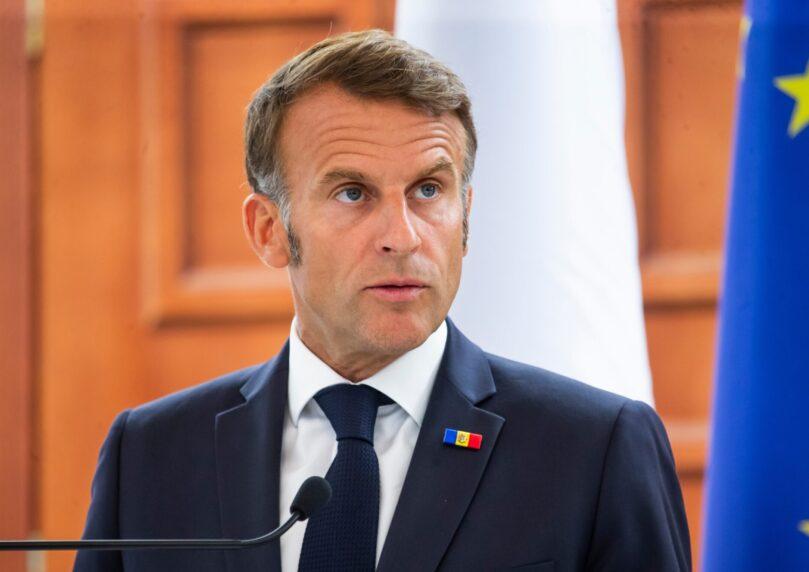

French President Emmanuel Macron responded today for the first time to the riots and widespread looting that have swept France—but stuck to condemnations and promises to prosecute rioters without announcing new emergency measures or presenting an operational plan to restore order. In an eight-minute address broadcast this evening (Sunday), he declared no new state of emergency and laid out no concrete strategy.
Adresse aux Français. https://t.co/AuPsZ3iM8l
— Emmanuel Macron (@EmmanuelMacron) October 18, 2026
Macron said those who looted stores would be required to pay for the damage, and that those who tried “to bring down the Republic” would be held accountable. He blamed the violence on “rebellious elements from the far left,” who he said were joined by many criminals.
But beyond the tough words, Macron’s address included no new practical measures. The president didn’t declare a state of emergency, didn’t announce changes to security force deployments, and didn’t present a timeline for dealing with the centers of violence.

Macron also didn’t directly address calls for the resignation of Interior Minister Laurent Nunez following the failure to prepare for the unrest. Alongside his condemnations, he acknowledged that some young people are raising legitimate grievances about the state of the education system and the cost of living, and called for calm ahead of elections.
Hundreds of Police Injured, Public Buildings Set Ablaze
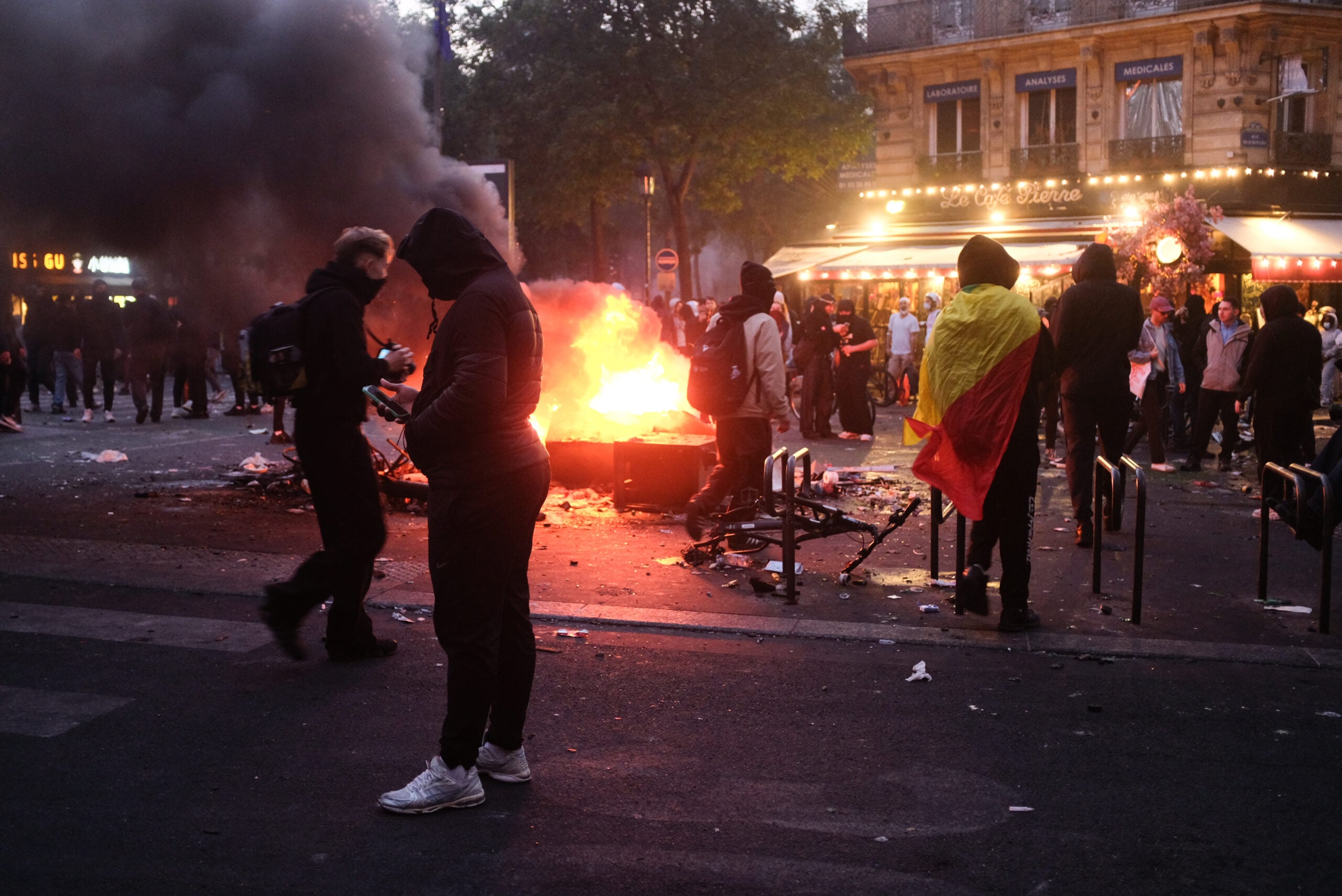
The address came after one of the most severe waves of violence France has seen in recent years. Between 550,000 and 800,000 people participated in demonstrations across the country. More than 2,000 people were arrested and hundreds of police officers and emergency responders were injured.
In the city of Limoges, the historic city hall building was set on fire and suffered severe damage. In Marseille, rioters broke into city hall and vandalized the lobby. In Paris, stores were looted, vehicles were torched, and clashes erupted just hundreds of meters from the Élysée Palace.
The protests began over student distress in schools and a shortage of teachers. They were later joined by labor unions, students, and members of the Yellow Vest movement. Demonstrators also protested the cost of living, fuel prices, and planned cuts to public services.
Senior local government officials and opposition figures described the events as a severe failure by the state. The government was accused of badly misjudging the number of participants and the intensity of the violence, as small, mobile groups managed to raid public buildings and stores almost without interference.
Faced with the scale of destruction, Macron’s address left mostly promises of investigation, punishment, and compensation. He didn’t explain what new measures would be taken if the riots continue, and presented no shift in the policies that failed to prevent the collapse of order on France’s streets.