


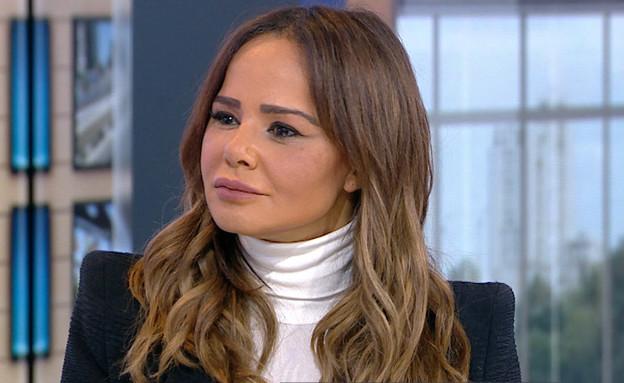

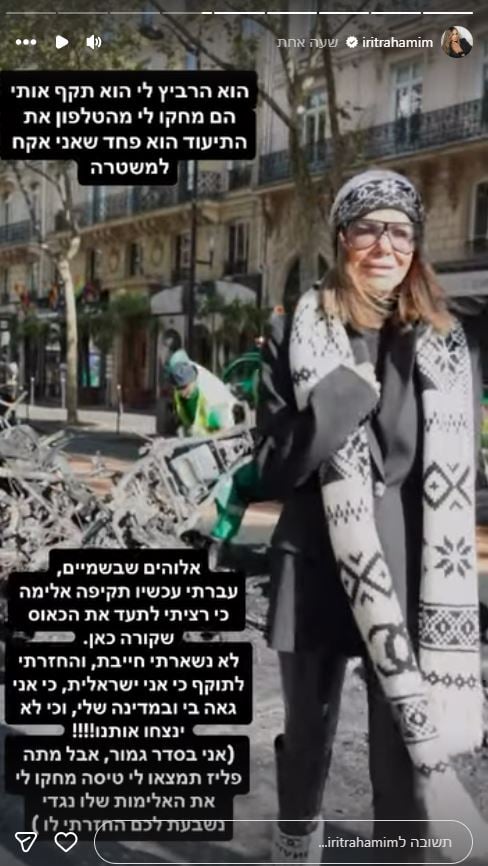
Irit Rahamim, who arrived in Paris for singer Celine Dion’s concert, got caught up in street protests and was violently attacked today (Sunday) while trying to film what was happening. “You don’t understand what I just went through. Someone attacked me; a person hit me. I didn’t see straight—I hit him back and spoke Hebrew. I don’t care about anyone. They deleted the footage from my phone because they were afraid I’d take it to the police. I cried, but I fought back.”

 1+
She later described the harsh scenes in the city amid the demonstrations: “Yesterday I was moved to tears at Celine Dion and today I’m in the middle of smoke and sounds like gunfire. I can barely speak; I just want to get somewhere safe. It’s no longer the fear of speaking Hebrew, but the fear of being on the street. With all the beauty in Paris—right now the safest place to be is Israel.”
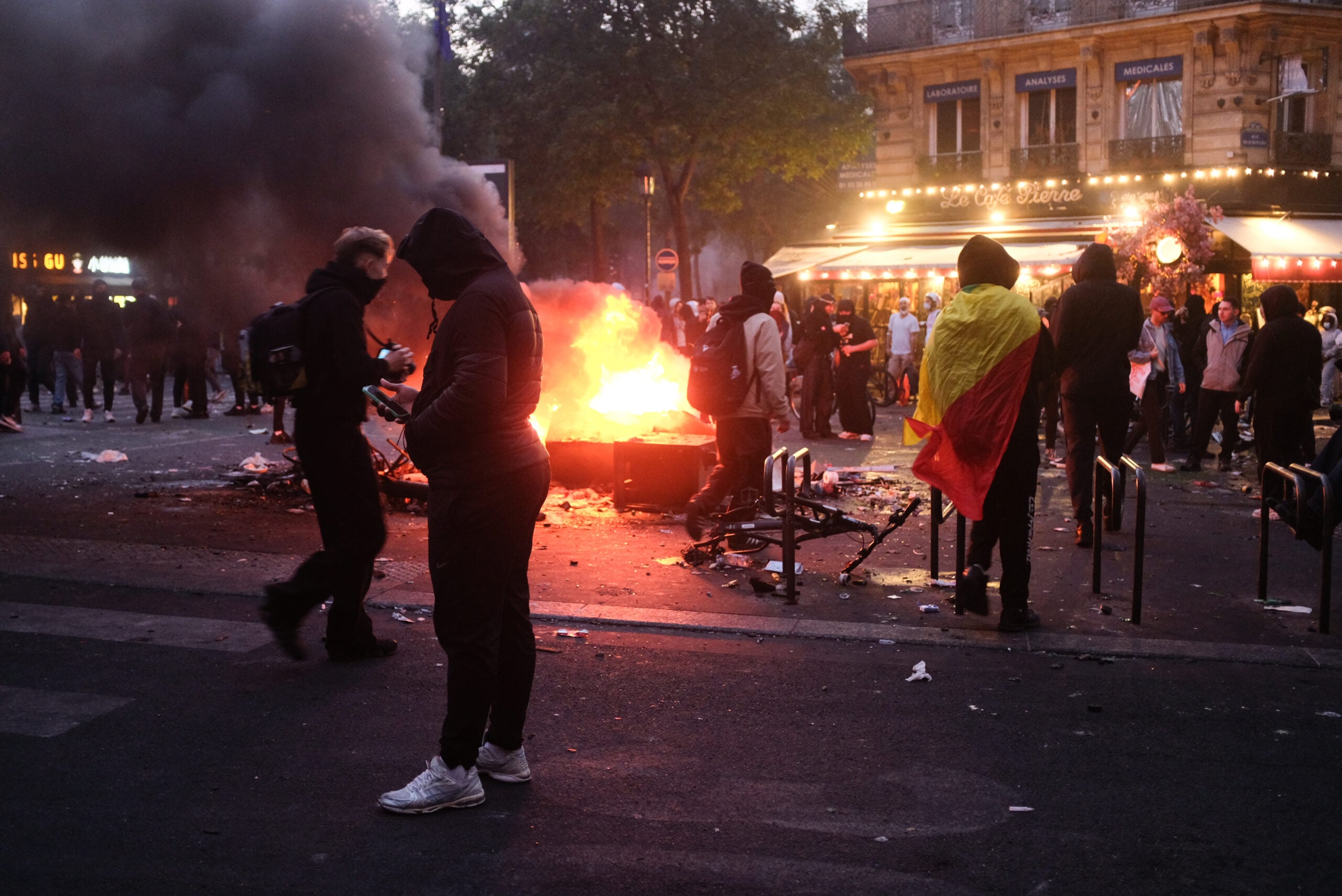
The chaos continues to rage through France’s streets. A historic city hall building was set on fire, rioters stormed luxury shops and looted merchandise, and vehicles went up in flames on the streets of major cities. The protests are over the cost of living, the state of education, cuts to public services, and economic and social problems. Participants include labor unions, students, and activists identified with the Yellow Vests movement (a social protest movement).
 1+
One of the most serious incidents occurred in Limoges in central France, where rioters set fire to the historic city hall building, inaugurated in 1883. The fire spread quickly to the building’s roof, parts of which collapsed into the lower floors, while hundreds of residents gathered in the area and watched what was happening. According to government figures, more than 1,200 people were arrested and about 150 police officers and gendarmes were injured.
French Prime Minister Sébastien Lecornu condemned the riots and blamed far-left elements and criminals for exploiting the demonstrations to attack state institutions and security forces. Interior Minister Laurent Nuñez made clear that the government does not intend at this stage to declare a state of emergency. The events are taking place six months before France’s presidential elections, as the government faces widespread public protest over the country’s economic and social situation.