




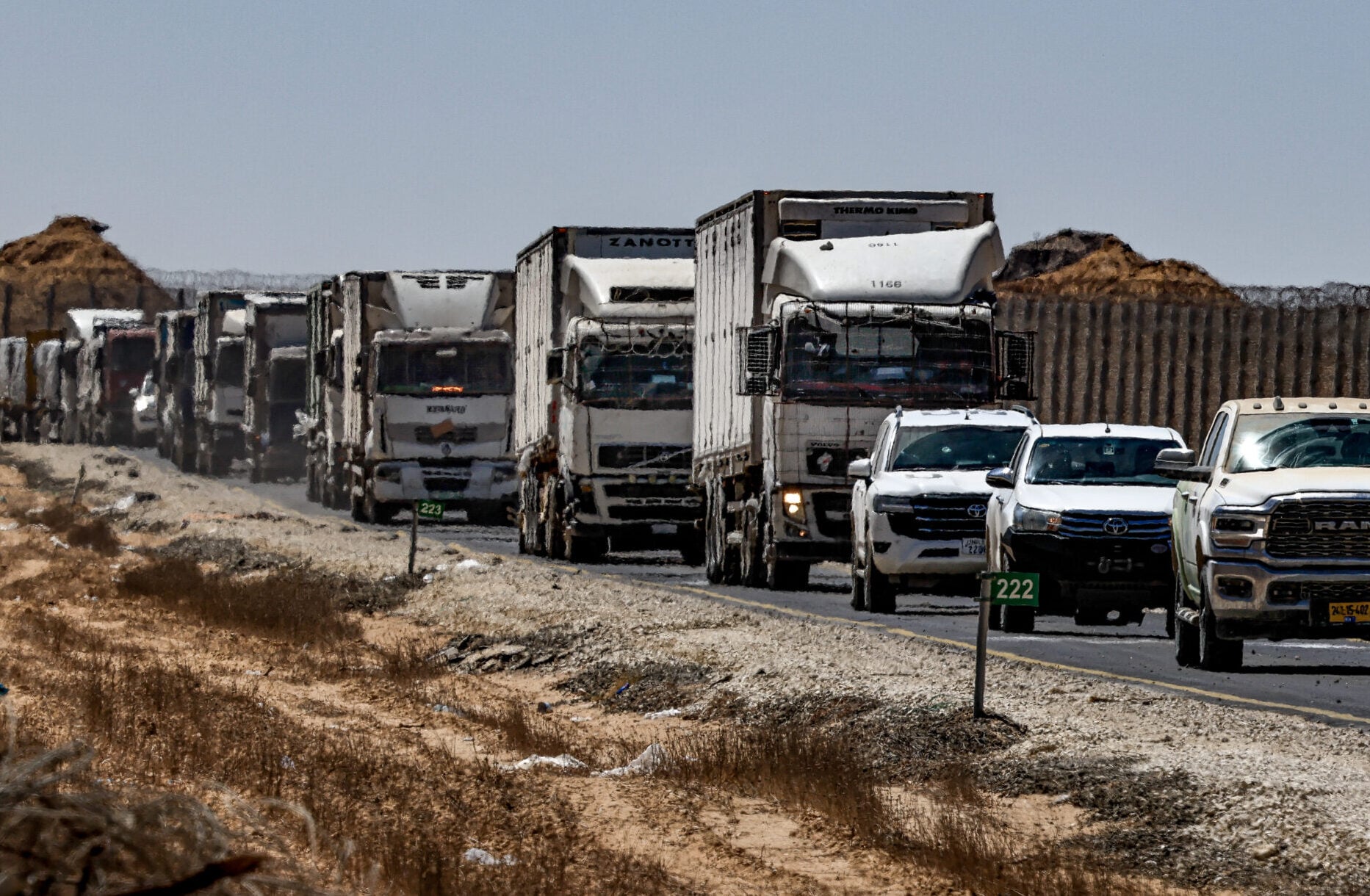
A year after the ceasefire agreement took effect, the terror organization Hamas continues to generate massive revenues from aid entering the Gaza Strip. Data released Wednesday by Israel’s Coordinator of Government Activities in the Territories (COGAT) points to an extortion mechanism Hamas is running against local merchants responsible for bringing a significant portion of aid trucks into the Strip.

 1+
1+According to COGAT, private sector merchants in Gaza—who handle roughly 50% of aid trucks entering the Strip—have announced they’re halting coordination for bringing in trucks following financial demands from Hamas. The move could impact the volume of goods entering Gaza through the private sector.
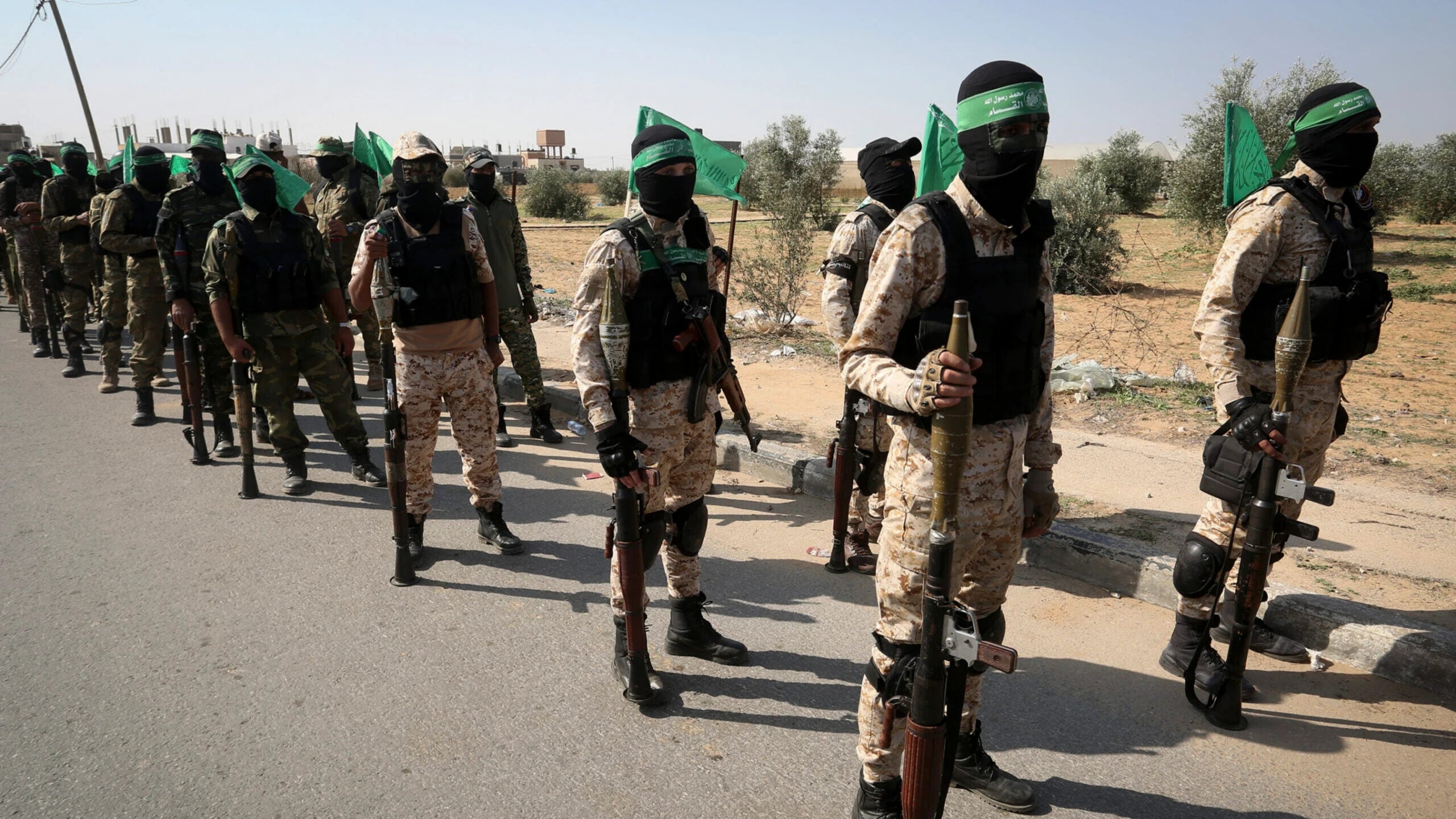
According to the data, about 600 aid pallets enter the Gaza Strip daily via 300 to 400 trucks. Until now, Hamas has demanded that merchants sell at least 30% of goods for cash, allowing the organization to seize a portion of the money. In recent days, Hamas added a new demand: a payment of 10,000 shekels (roughly $3,200) for every truck entering the Strip.
 1+
1+The new demand, along with the arrest of one merchant’s son, led to pushback from the merchants and their decision to stop coordinating goods shipments.
Millions Per Day, Billions Per Year
From the published data, it’s possible to estimate the scale of money Hamas may be extracting through this extortion mechanism. According to the assessment presented, the organization makes about 50,000 shekels or more from a truck carrying basic goods, while trucks carrying more expensive merchandise could yield hundreds of thousands of shekels.
Based on a calculation using an estimated average income of 75,000 shekels per truck and about 175 trucks daily from the private sector, the total comes to roughly 13 million shekels per day—about 400 million shekels per month. Projected over a full year, that’s approximately 4.8 billion shekels (roughly $1.5 billion).
According to our political analyst Tamir Morag, the order of magnitude of these numbers (not the exact figures) was confirmed through checks with relevant professional sources. This is the price Israel is paying for the entirely legitimate decision to prioritize the return of all hostages. But a year later, with Hamas refusing to fulfill its part and disarm, it’s worth asking whether the time hasn’t come for Israel to change the terms of the deal as well.