


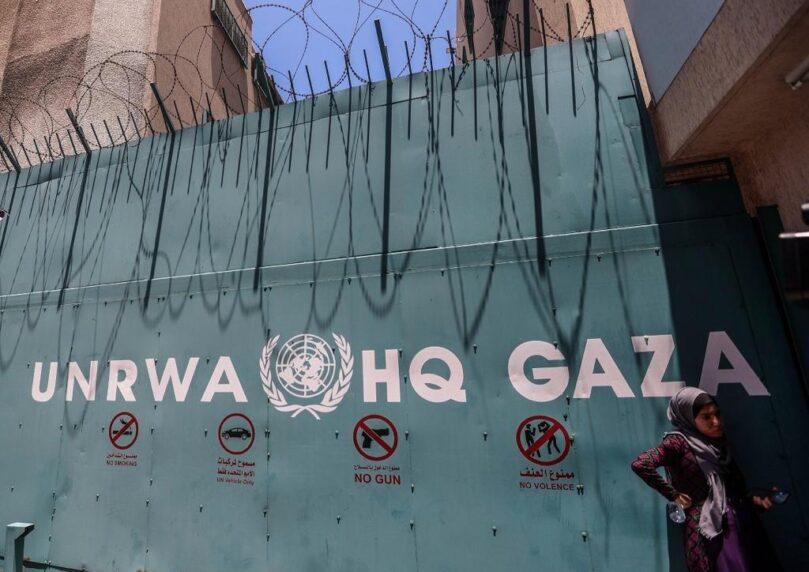

“Maybe there will be another October 7, one that brings more destruction and killing than what we’ve already seen,” warns N., a geography teacher who has worked in UNRWA schools in the Gaza Strip for 15 years. In an exclusive interview, she reveals how teachers are spreading extremist ideas among students and inciting them to murder Israelis—and warns of the severe consequences of the ongoing incitement.
N., a 40-year-old geography teacher, has worked at one of UNRWA’s schools in the Gaza Strip for 15 years. In an exclusive interview, she tells us about the incitement to murder Israelis taking place in schools across the Strip.

 2+
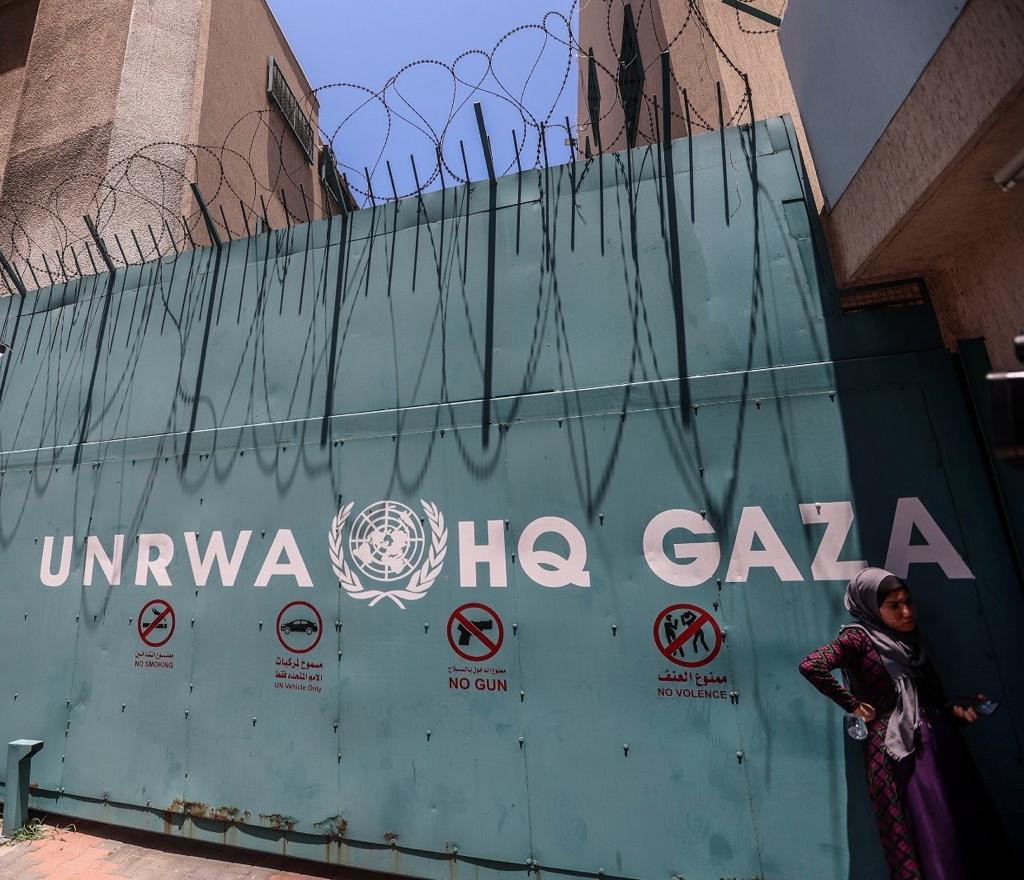
In her testimony, she describes how extremist and violent ideas are being spread among students, including by teachers. To understand what her words mean, you need to know the organization she works for: UNRWA, the agency the UN established to care for Arab refugees from Israel’s War of Independence and their descendants.
UNRWA presents itself as a neutral body working for “‘Palestinian’ refugees.” But despite that declaration, over the years cases have been exposed in which the organization’s employees were involved in terrorist activity, including employees linked to the October 7 massacre. In recordings released by the IDF, teachers at UNRWA schools in the Strip can be heard describing their role in the massacre.
Back to N., who says that ideas about murdering Israelis and using violence continue to be spread in Gaza’s schools. “Extremist, violent ideas are multiplying. This comes from teachers too, and they pass these ideas on to students, to a large extent. They incite them to murder and to use violence,” she testifies.
 2+
According to her, even after the destruction and devastation that October 7 brought on the Gaza Strip, the idea of another attack on Israel is still present in UNRWA schools. “In the current period, their extremist ideas are intensifying greatly, to the point where maybe there will be another ‘October 7,’ and it will bring more destruction and killing than what we’ve already seen,” she warns.
N. also describes a confrontation with one of her colleagues, who she claims spread ideas of murder, violence, and extremism among students. “There was a discussion between a teacher and me about the ideas of using violence and of murder and extremism, which she plants in the minds of our students. I told her this isn’t in the spirit of Islam,” she says.
According to her, the influence doesn’t stop in the teachers’ lounge. “I had a student whose mind was planted with extremist ideas, and she also talked to her about murder, violence, and destruction,” she says.
Channel 14 also obtained additional documentation from M., a teacher at a Hamas government school in the Gaza Strip that is not part of UNRWA. M.’s testimony also deals with extremist ideas being spread among Strip residents.
 2+
M. emphasizes that the phenomenon, in her view, has roots broader than affiliation with Hamas. “This problem isn’t connected to the government and isn’t connected to Hamas. The problem is in the minds of the students, in the minds of the parents, and in the minds of the teachers,” she says.
The testimonies raise questions about the content and messages that students in the Gaza Strip are exposed to, and about UNRWA’s role in the education system where it operates schools. Alongside the agency’s declared role in caring for ‘Palestinian’ refugees, the question also arises: what ideas are being passed on to the next generation, and are sufficient steps being taken to prevent incitement to violence and murder?