


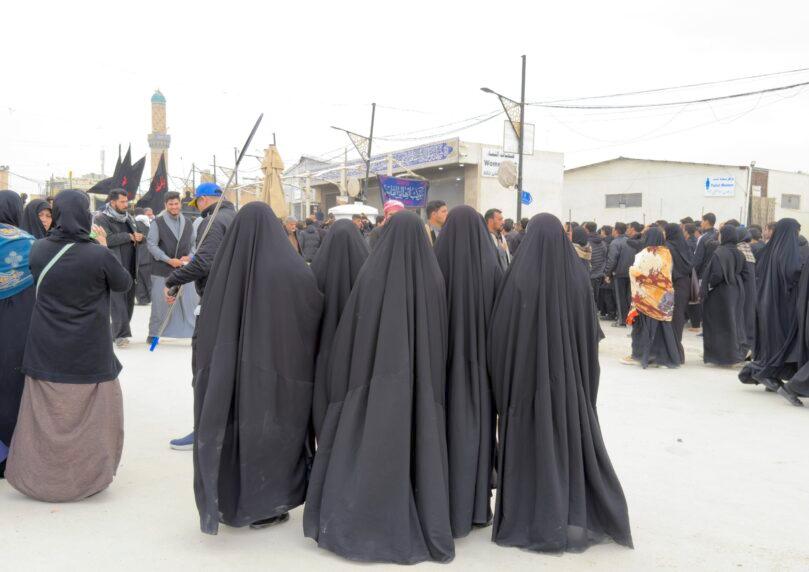

Iraq has suffered in recent years from severe problems across nearly every metric, with terrorist organizations entering its territory becoming the number one issue. Yet in recent years, Iraq has been suffering from another dark aspect of Islam—one that’s rarely discussed when it comes to the country. So while the new prime minister tries to signal to President Trump that he’s aiming for a new Iraq, serious problems remain that remind us this is still a failed state in the Middle East.
In recent years, Iraq has become one of the least stable countries in the Middle East. The weak government that emerged after the Americans left, combined with terrorist forces brought into the country by al-Qaeda and Iran, eroded the state’s foundations from within and turned it into a veritable Wild West. But alongside the rampant terrorism, Iraq has lost stability in another area—the institution of marriage.

 2+
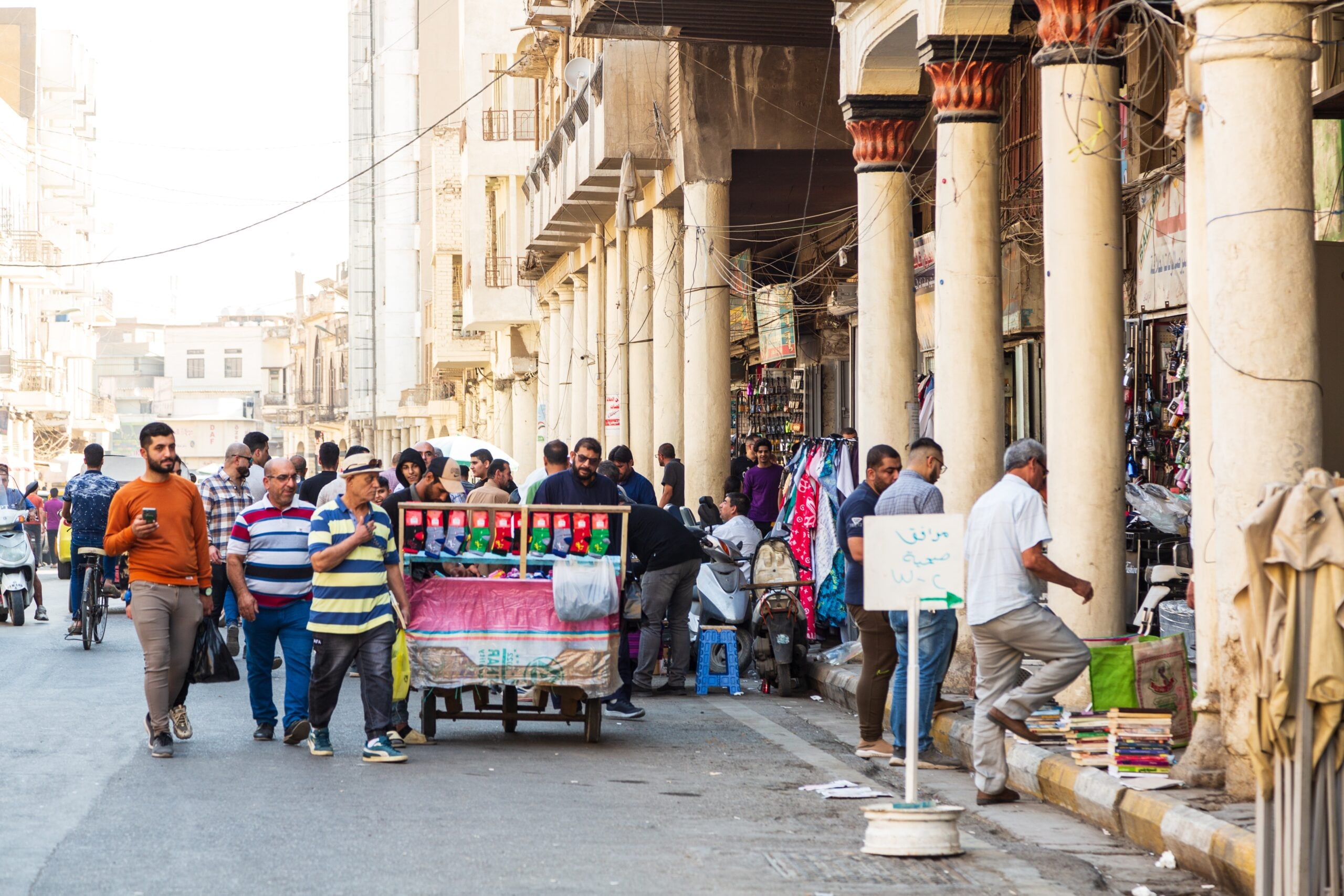
2+According to a sociology expert from a university in Baghdad, since 2021, the number of couples divorcing in Iraq each month hasn’t dropped below 6,000—more than 8 couples per hour. According to the expert, these are thousands of families breaking apart and suffering severe economic blows from which it’s very difficult to recover, potentially leading them to severe poverty and even involvement in crime.
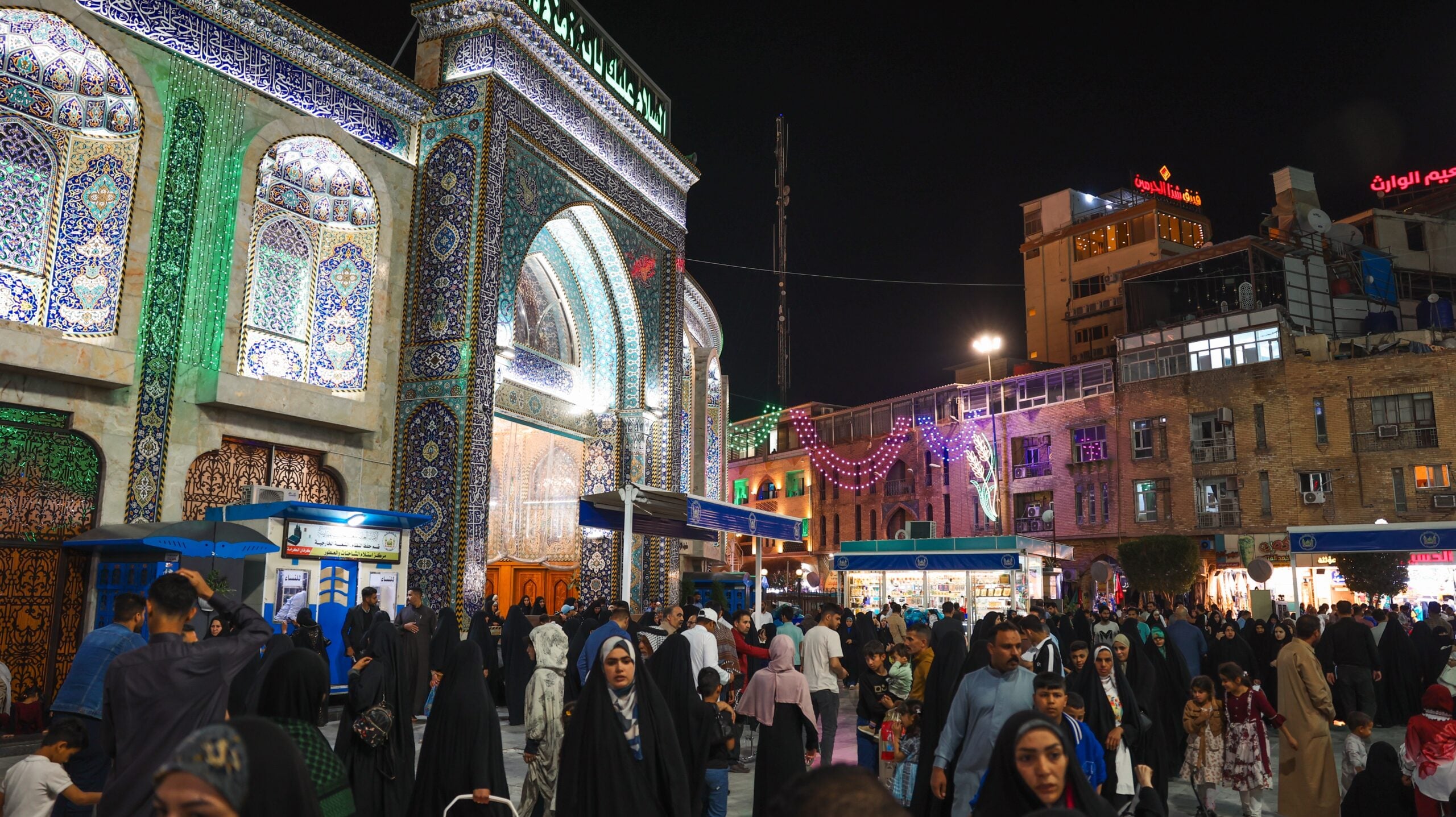
But the rise in Iraq’s divorce rate isn’t the real issue, because behind the divorce statistics hides a dark aspect of Islam that’s rarely discussed—temporary marriages. In Shia Islam, to which most of Iraq’s residents belong, there’s an option to marry someone temporarily in a practice called in Arabic “nikah al-mut’ah.” These marriages can last several hours, several days, or even months and years, and when the predetermined date arrives, the couple stops being married—even without a divorce process.
 2+
2+The termination of these temporary marriage contracts isn’t included in divorce statistics—only when these marriages become permanent. According to a joint report by PBS and the BBC in early 2026, these marriages remain temporary as long as the woman doesn’t become pregnant. Since most of these marriages are intended, according to them, so the couple can have sexual relations (without any desire to procreate), many of these marriages eventually result in pregnancy. According to the report, in such cases the two marry fully, wait for the baby to be born so it will be considered a full citizen—and then divorce. A statistic that could support the country’s high divorce numbers.
Yet the story gets more complicated. According to a report published in Qatari media on the subject, most women who marry in “mut’ah” marriages are young girls aged 14-18. The PBS and BBC report adds that most of them don’t want to marry at all, but do so for economic reasons since the man pays handsomely to marry the young woman. Western media outlets thus claim this is essentially quiet “pimping” conducted under the auspices of the Muslim religion.
 2+
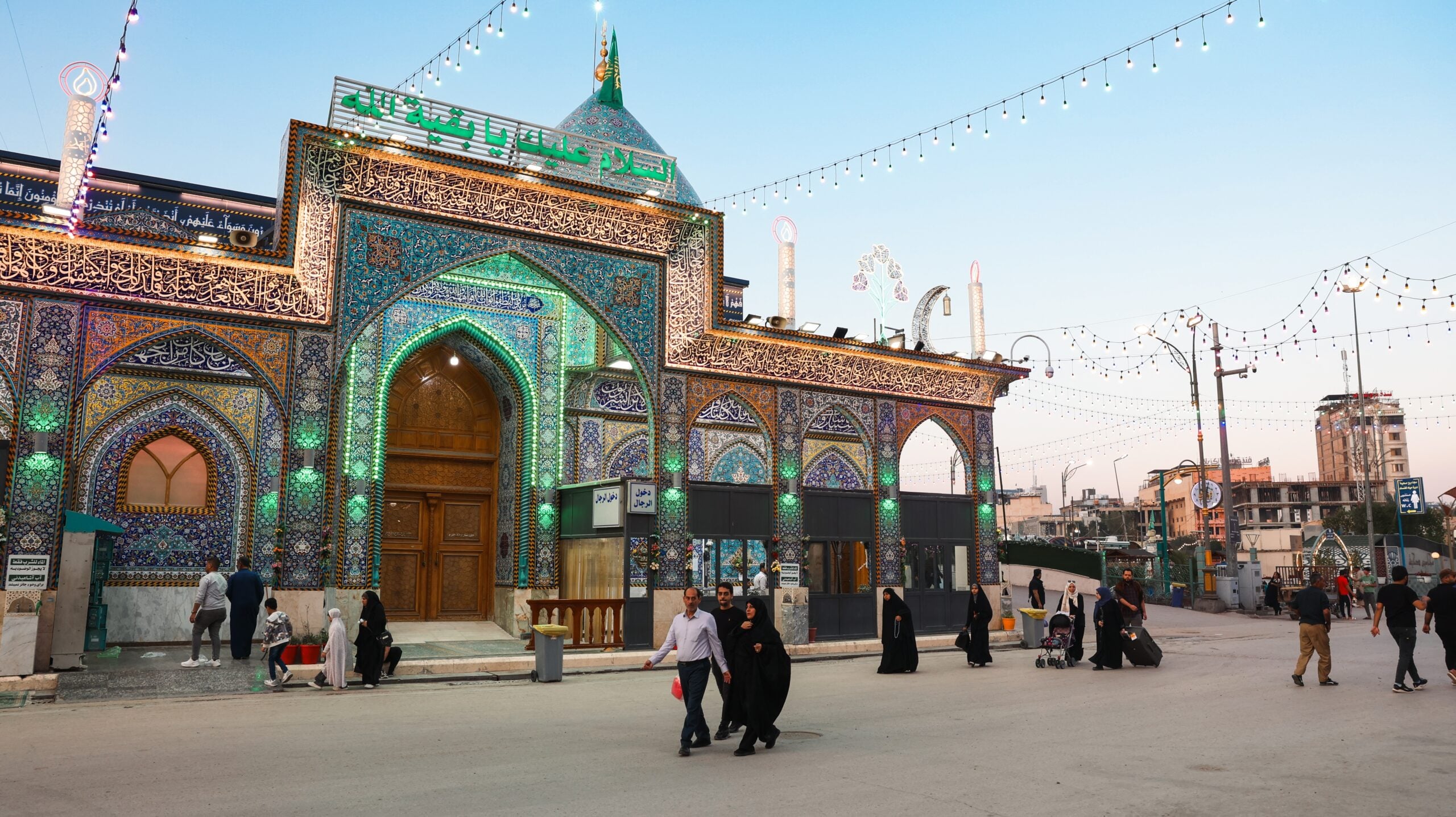
2+In the end, these young women who likely drop out of school to be part of temporary marriages find themselves at a very young age with a child, divorced, without proper education—in a situation where severe poverty and even homelessness are predictable. So while Iraqi Prime Minister Ali al-Zaidi winks at President Trump and tries to turn Iraq into a more Western country, a dark and dangerous phenomenon is hiding right under his nose.