




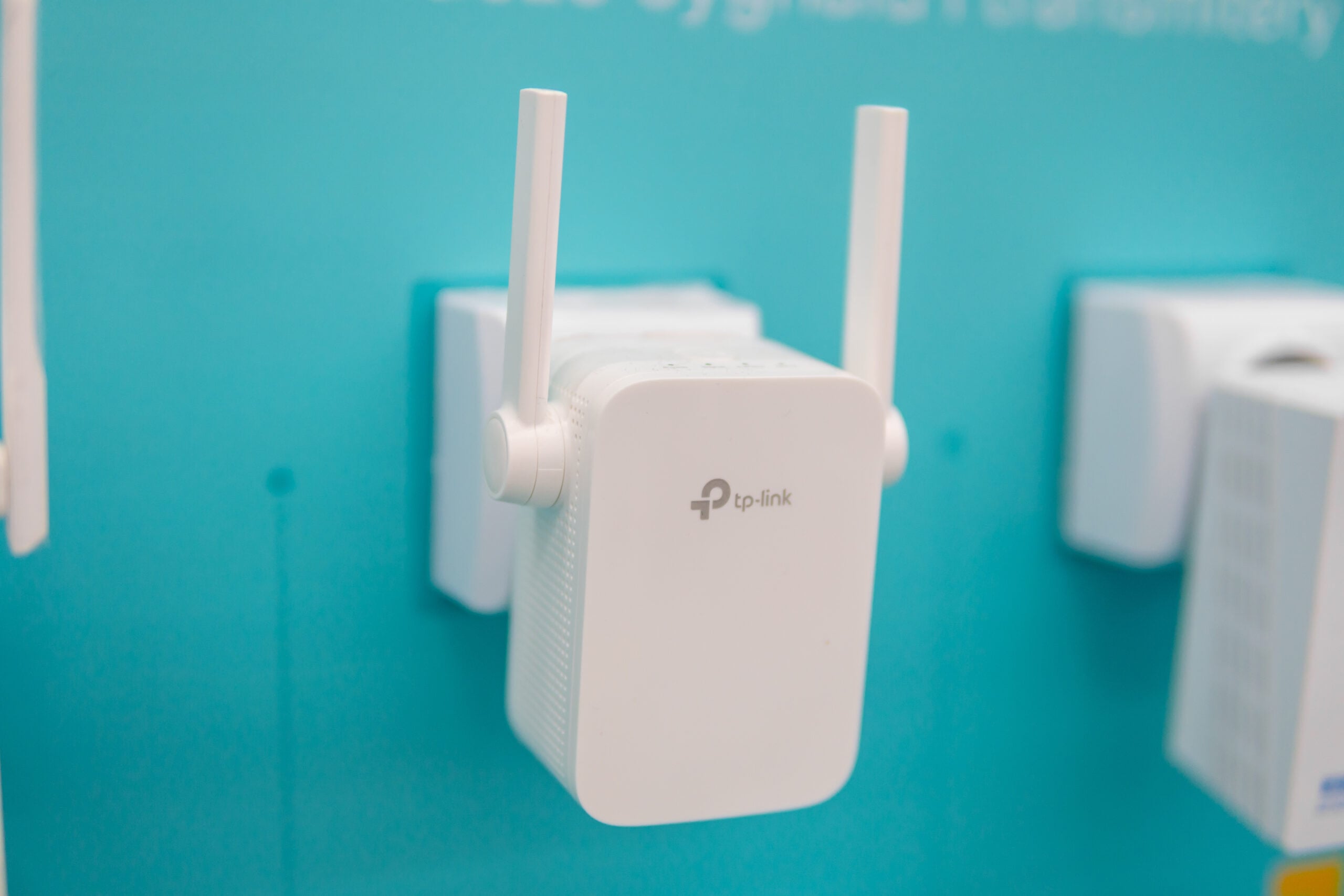
The world’s most popular home router brand is facing massive legal and security pressure. Attorneys general from four U.S. states—Florida, Montana, Iowa, and Nebraska—filed coordinated lawsuits in recent days against TP-Link. The suit, led by Florida Attorney General James Uthmeier, accuses the company of systematically violating consumer protection laws, concealing close ties to the Chinese Communist Party, and abandoning the data security of millions of users.

 1+
1+At the heart of the lawsuit is an allegation of deliberate fraud about where the products are made. While TP-Link marketed its routers in the U.S. as manufactured in Vietnam to dodge tariffs and security restrictions, the complaint reveals this as a false representation: less than one percent of component value originates in Vietnam, while the vast majority of hardware, manufacturing, and R&D operations are concentrated in China. The lawsuit states that the company’s routers suffer from severe security vulnerabilities, lack support for older models, and are consistently exploited by Chinese government-backed hackers to penetrate Western networks.
The severity of the accusations carries heavy weight given the company’s absolute dominance in the communications market. According to research firm Counterpoint Research, TP-Link holds roughly 20% of the global market share for routers and home mesh systems, leading competitors like Xiaomi (12%), Google (7%), and Asus (6%) by a significant margin, alongside IDC data crowning it the number one manufacturer in wireless equipment shipments for years. In the U.S. alone, the company controls more than 60% of the retail router market, and in Israel its products constitute the most common Wi-Fi infrastructure in hundreds of thousands of households.
 1+
1+Company Response and Fear of Federal Sanctions
TP-Link management firmly rejects the allegations of harming national security. Company Vice President for Government Relations Steve Kovasky responded that the lawsuits are “based on completely erroneous assumptions.” The company claims it operates as an independent business registered in the U.S. that is not controlled by any foreign government, and commits that it will never share customer network data with unauthorized parties. However, the company’s statement avoided directly addressing the central claim that router components come almost entirely from China.
The current legal proceedings join a similar lawsuit filed by Texas earlier this year, and increase pressure on the Washington administration to impose sweeping federal sanctions on the company’s products, similar to blocks previously placed on giants like Huawei and ZTE.