




Two cargo ships were attacked Tuesday using aerial and naval drones in Bulgaria’s exclusive economic zone, sinking one vessel with its crew still missing, while the other caught fire and 18 sailors were rescued. Ukrainian President Volodymyr Zelensky blamed Russia for the strikes, though Bulgarian authorities stressed they haven’t yet determined who was behind the attack. Hours later, Zelensky warned that Ukrainian intelligence had detected Russian preparations for a “massive attack.”


 5+
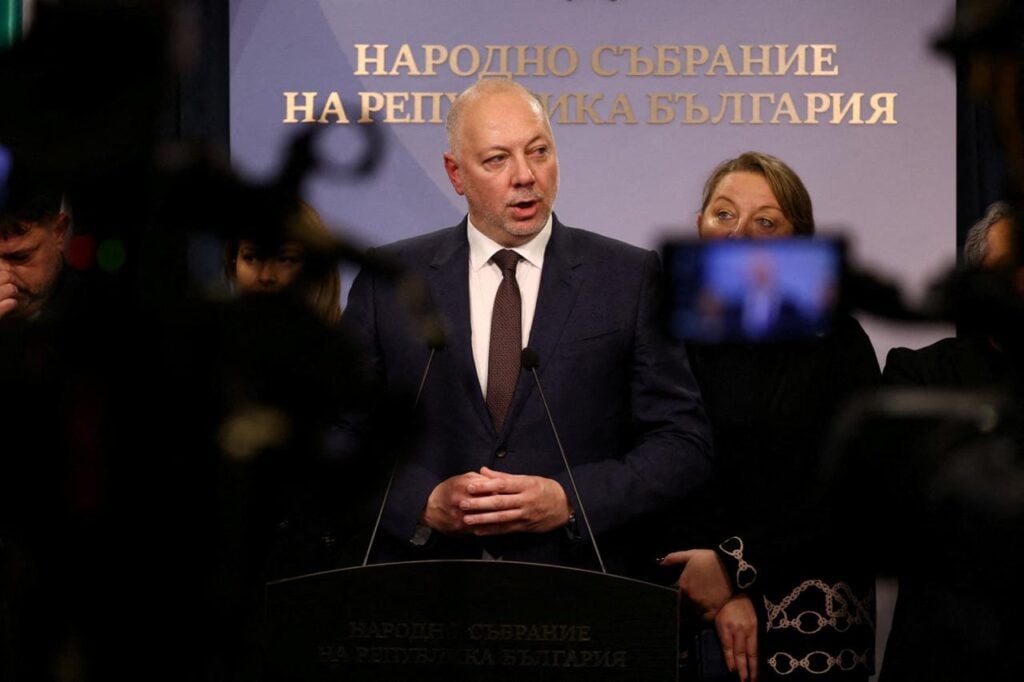
5+The incident took place inside Bulgaria’s exclusive economic zone—Bulgaria is a NATO member—raising fresh fears that the war in Ukraine is spilling into commercial shipping lanes in the western Black Sea. According to Bulgarian Prime Minister Rumen Radev, the two cargo ships were attacked using naval and aerial drones.
The first ship, the Alfa Vatan, sailing under a Togolese flag, suffered severe structural damage and sank. The fate of its crew is unknown, and Bulgarian forces are continuing search operations. Rescuers found an overturned lifeboat, life rafts, and life jackets in the area. The Bulgarian Navy, Air Force, and Border Guard are all participating in the search and rescue mission. Authorities are also monitoring for potential environmental damage from the sunken vessel.
 5+
5+The second ship, the Aibel, sailing under a Palauan flag, was also hit and caught fire. A Bulgarian ferry that reached the area rescued all 18 crew members—11 Turkish citizens and seven Indian citizens. Two were seriously injured and were taken for medical treatment in Varna.
Radev convened an emergency meeting with security and government officials following the incident. He condemned the attack but stressed that authorities still don’t know whether the drones were operated by Russia or Ukraine. “We see that the war is intensifying, with all rules of international law now being violated, and civilian vessels being attacked at sea,” he said. According to him, “If this war does not end in time, it will continue to expand its geographic scope and increase the risk even of a global confrontation.”
 5+
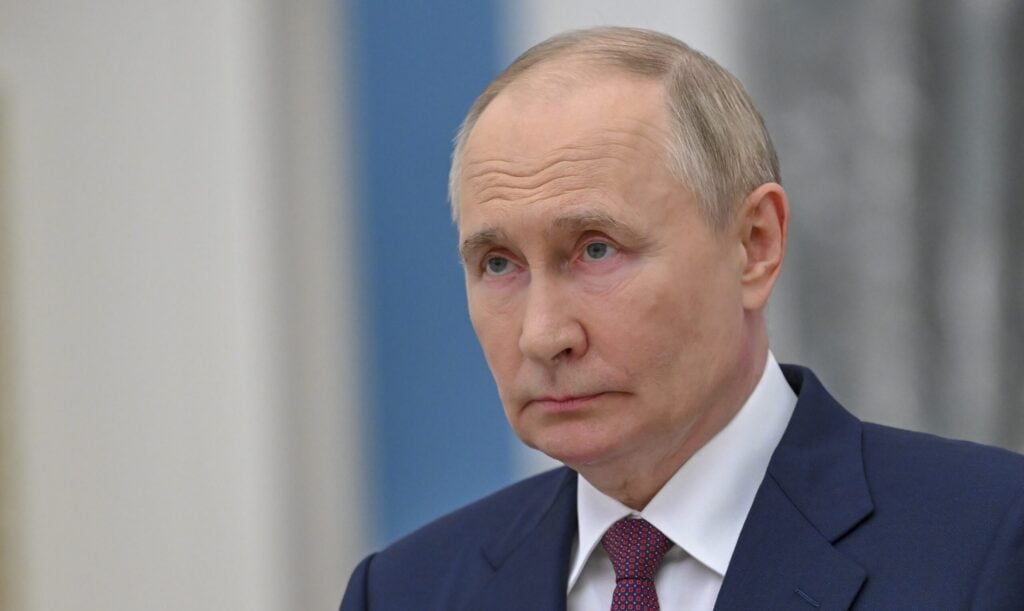
5+In contrast to Bulgaria’s caution, Zelensky pointed directly at Moscow. According to him, Ukrainian intelligence and security services have begun investigating the full circumstances of the attack. “Our intelligence and special services are now working to determine all available information regarding another attack in the Black Sea against civilian vessels,” Zelensky wrote.
According to him, the Ukrainian Navy contacted its Bulgarian counterpart, and the investigation revealed that this was a “combined Russian attack using naval and aerial drones.” However, the claim that Russia was behind the attack has not been independently verified, and Russia did not respond to a Reuters report.
 5+
5+Regarding the nature of the incident, Cameron Chell, founder of drone manufacturer Draganfly, told Fox News that the way the ships were hit may indicate precise coordination between unmanned aerial vehicles and unmanned naval vehicles. According to him, the fact that both ships were moving in opposite directions and were hit within a similar timeframe points to an unusually high level of coordination.
“Not only are they using fairly sophisticated equipment, but they’re doing it in a coordinated fashion… These two ships were moving in opposite directions. One of them actually left Ukraine the day before… These things were coordinated, and they were attacked at about the same time. So you’re seeing another level of coordination exposed here,” he said. Chell estimated that if this was indeed a Russian attack, one possible goal is to increase uncertainty in the Black Sea and undermine the confidence of shipping companies using the route.
 5+
5+Shortly after the Black Sea incident, Zelensky issued another warning. According to him, Ukrainian intelligence received updated information about Russian preparations for a large-scale attack. “We have received updated intelligence information about Russia’s preparations for a massive attack,” he wrote, calling on residents to heed missile alerts.
Zelensky said the Ukrainian Air Force and security services are preparing to respond “as much as our defense capabilities allow,” but added that a significant part of the ability to deal with such an attack depends on assistance from allies, particularly the United States and European countries: “Hypothetically, it is very important that there be the political will to do so—especially in the United States and in Europe.”
 5+
5+The incident in Bulgaria doesn’t stand alone. A day earlier, another cargo ship sank after being hit by a drone near Romania’s coast, killing two people. The recent attacks are heightening fears that commercial routes in the western Black Sea are becoming a more direct arena of the war. The scale of attacks against Ukrainian infrastructure has also increased recently; in early October, Russia carried out one of the heaviest attacks in recent months against Ukraine’s energy infrastructure, killing at least seven people and damaging infrastructure in several regions.
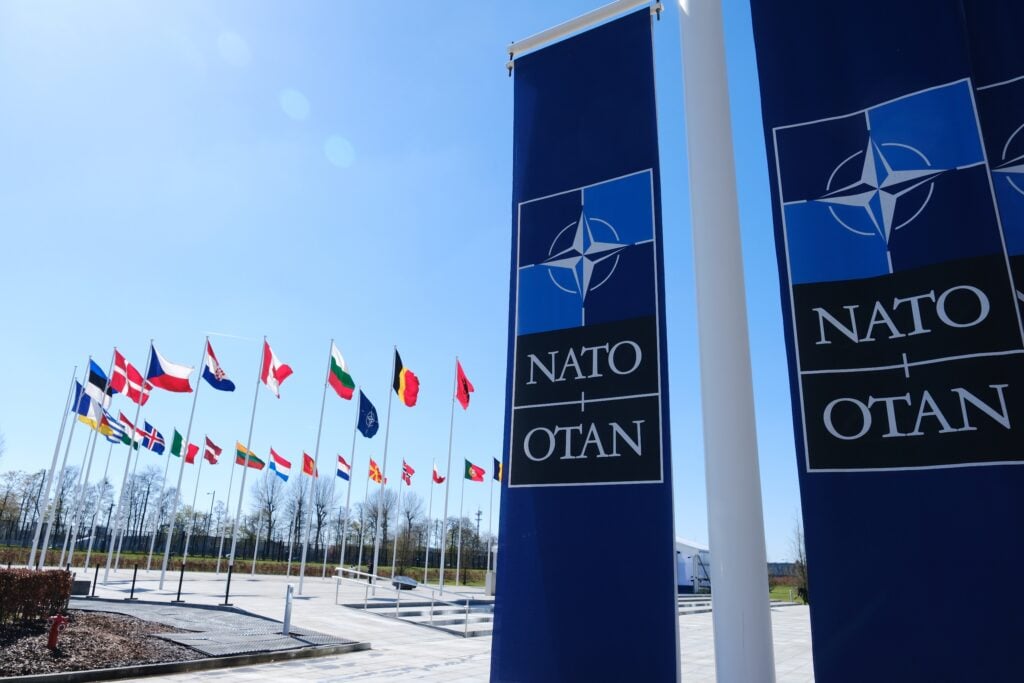
The significance of the incident off Bulgaria is particularly sensitive: the attack took place in the exclusive economic zone of a NATO member state, but an exclusive economic zone is not equivalent to a country’s sovereign territory. Therefore, the strike there doesn’t automatically turn the incident into an “attack on NATO.” However, this is the first time an attack of this type has been reported against commercial shipping in Bulgaria’s economic zone, and it illustrates how the war is seeping deeper into civilian trade routes in the Black Sea.