


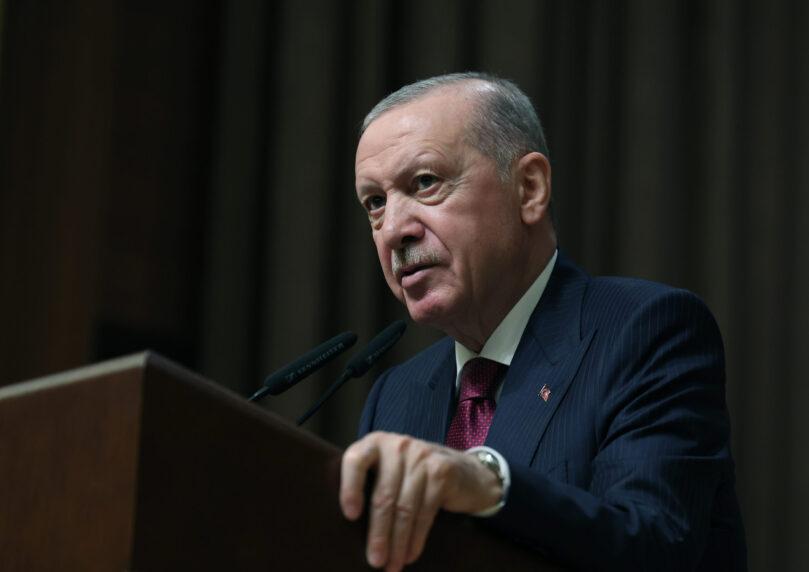

Turkish President Recep Tayyip Erdoğan continues to throw a lifeline to Iran’s regime even as the White House signals willingness to lift sanctions and allow Turkey to purchase F-35 stealth fighters. A new study by the Foundation for Defense of Democracies (FDD) reveals that at least 83 flights by sanctioned Iranian airlines landed in Turkish cities within just five days after a U.S. ultimatum to ground them worldwide expired—a move that sharply questions Turkey’s loyalty to its NATO allies, Fox News reported Friday.

 3+
3+On September 8, the U.S. Treasury Department imposed sweeping sanctions on all 27 remaining active Iranian airlines, claiming the aircraft serve as a covert arm of the Revolutionary Guards to transport weapons and fighters. Treasury Secretary Scott Bessent set an explicit ultimatum: after September 23, any company providing fuel or ground services to these aircraft would be completely cut off from the U.S. financial system. While regional countries like the United Arab Emirates, Oman, and Iraq buckled under pressure and closed their gates, Turkey chose to play both sides: Turkish airlines canceled flights to Tehran, but Iranian aircraft continued operating at Turkish airports unimpeded.
 3+
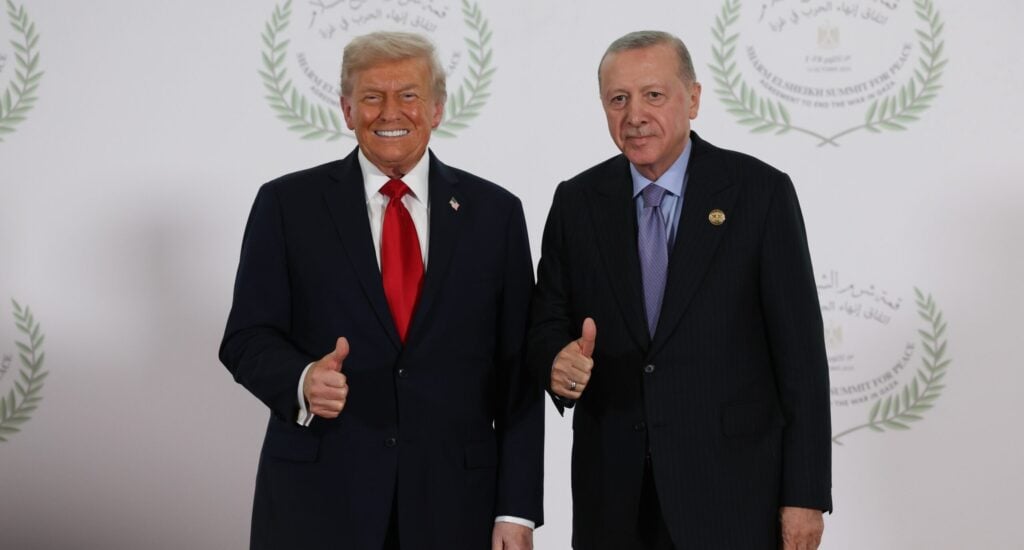
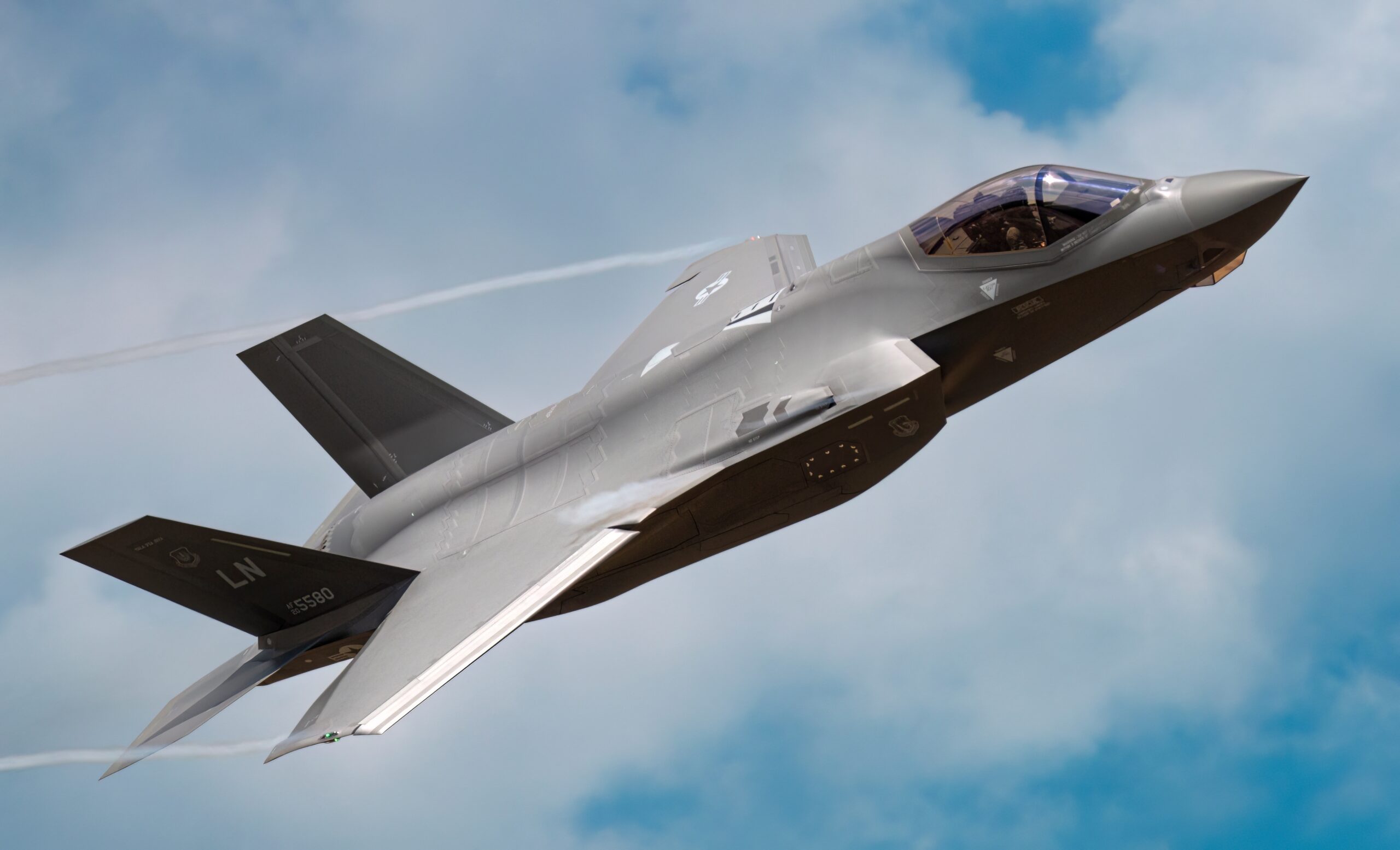
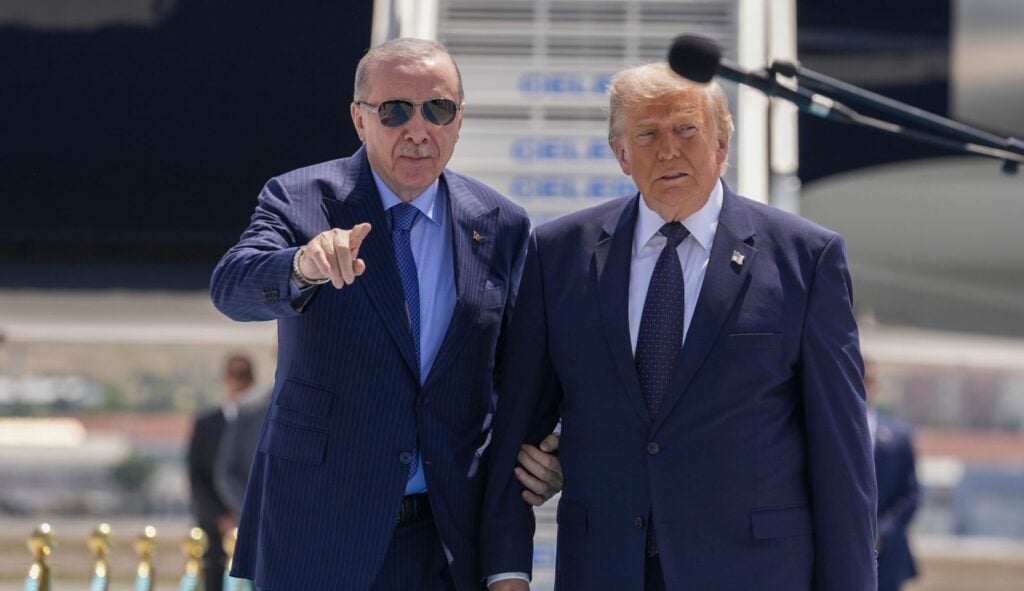
3+Analysis of Flightradar24 data by FDD researchers showed that aircraft from 12 different Iranian airlines—some designated as global terrorist organizations for flying weapons to Syria—landed in Istanbul, Ankara, and Izmir immediately after the deadline passed. Researcher Ahmad Sharawi noted that this behavior proves Erdoğan is settling for cosmetic measures only, while turning a blind eye to the extensive operations of Iran’s terror axis. Sharawi emphasized that if Washington wants to close the loophole, it must impose direct sanctions on the Turkish companies providing services to these aircraft and send a clear message to Ankara. Erdoğan’s defiance comes at a particularly sensitive time. Trump, who has repeatedly emphasized his “close and personal relationship” with the Turkish president, declared during his visit to Turkey that his administration is ready to lift sanctions imposed on Ankara over its purchase of the Russian S-400 system and even return Turkey to the F-35 fighter jet project.
 3+
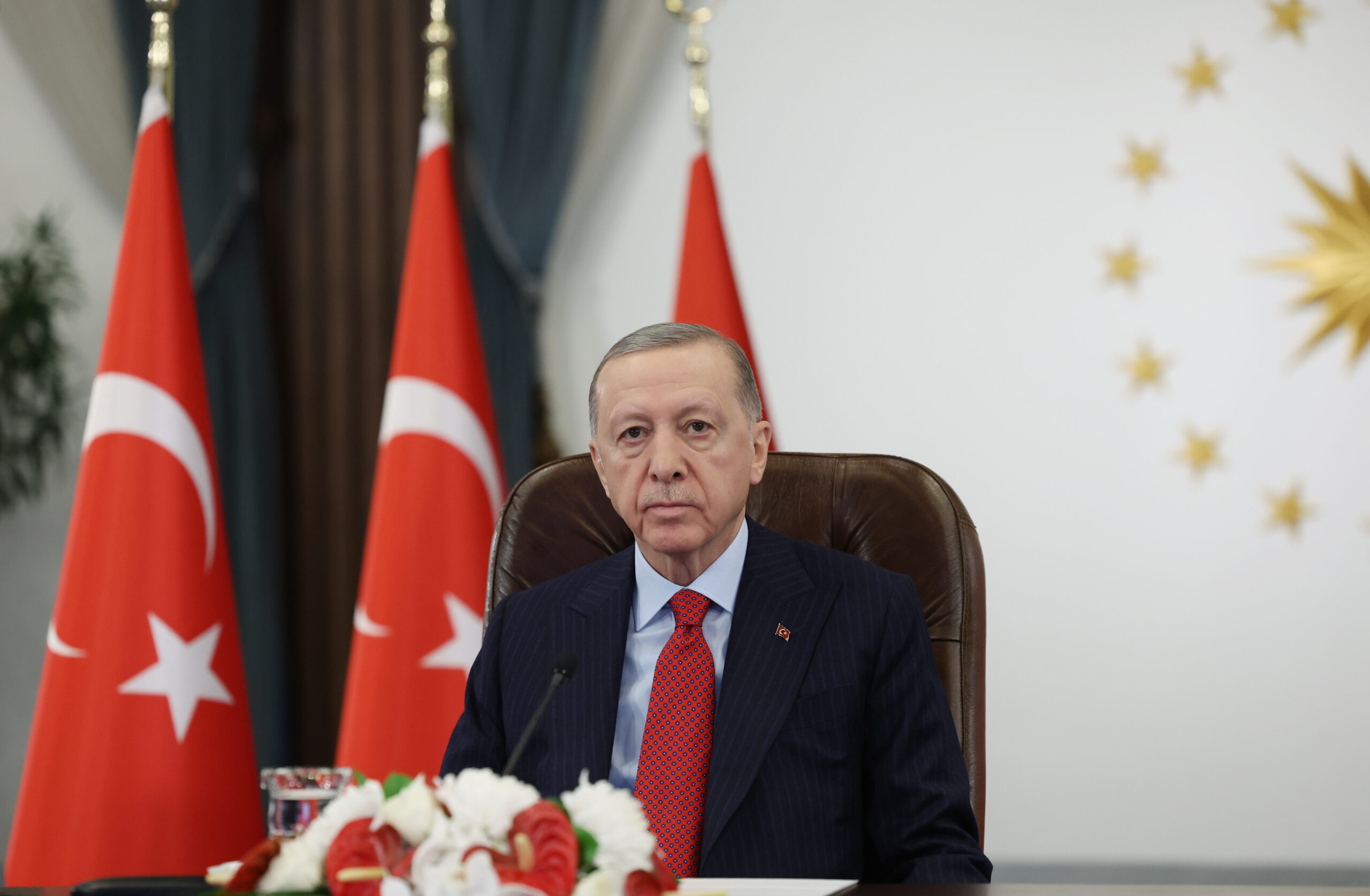
3+Erdoğan himself recently demanded “concrete steps” from Washington on the matter. Now, as the Turkish loophole is exposed publicly, anger is mounting in Washington that Erdoğan is exploiting Trump’s gestures while actually sabotaging Operation Economic Outcast, designed to strangle the Tehran regime. The Turkish crack is joined by another loophole in the Far East, where United Against Nuclear Iran (UANI) revealed that near Malaysia, a “floating city” of Iranian ghost tankers operates, receiving refueling services from local companies and thereby circumventing the American naval blockade. The combined findings illustrate the American trap: while international companies and Western nations align with the sanctions, key countries like Turkey continue playing a double game and providing Iran with economic and strategic lifelines.
 3+
3+Ankara’s handling of the Iranian flights affair is a direct continuation of the erratic foreign policy Recep Tayyip Erdoğan has led for two decades. As a NATO member supposed to stand in line with Western security interests, Turkey simultaneously maintains deep commercial, security, and energy relationships with Russia and Iran. The Turkish attempt to dance at every wedding—demanding advanced American weapons on one hand while serving as a transit station for sanctioned Iranian entities on the other—is creating growing friction with Congress and the administration in Washington.