




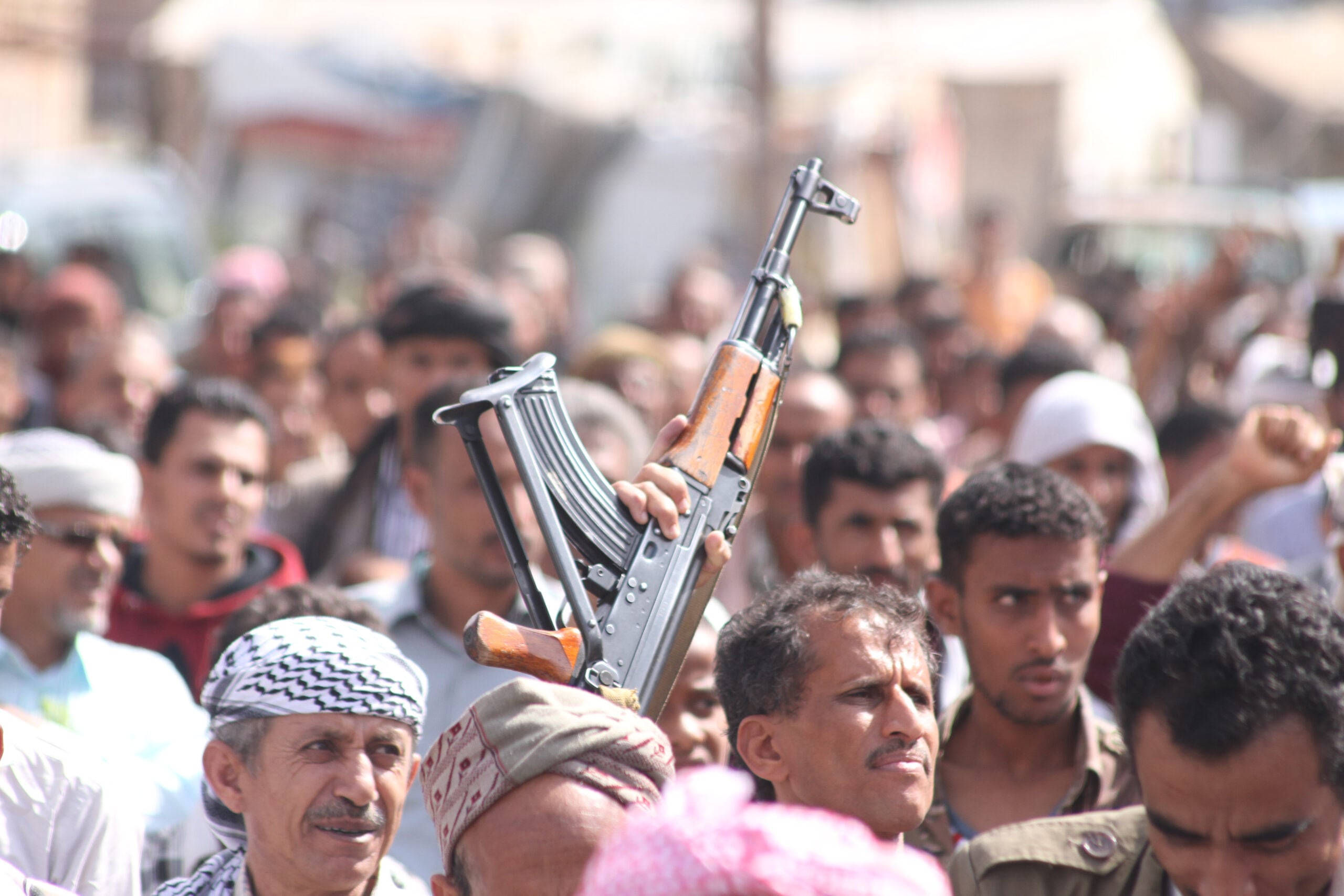
A day after the Yemeni government declared war on the Houthi terrorist organization in an operation dubbed “Dawn of Yemen,” Saudi Arabia announced that it was joining the fighting. According to a statement by the coalition fighting the Houthis, 100 Saudi fighter jets participated in the battles that took place early Monday morning, providing air cover for Yemeni army forces operating on the ground.
100 طائرة مقاتله سعودية تشارك في مساندة القوات المسلحة اليمنية في تطهير اليمن من الحوثي واذنابه تحلق على مدار 24 ساعة 🇸🇦💪🏼
#فجر_اليمن https://t.co/z1mwrKcgUy— سـيرجي السعودية (@J_ali_1919) October 5, 2026
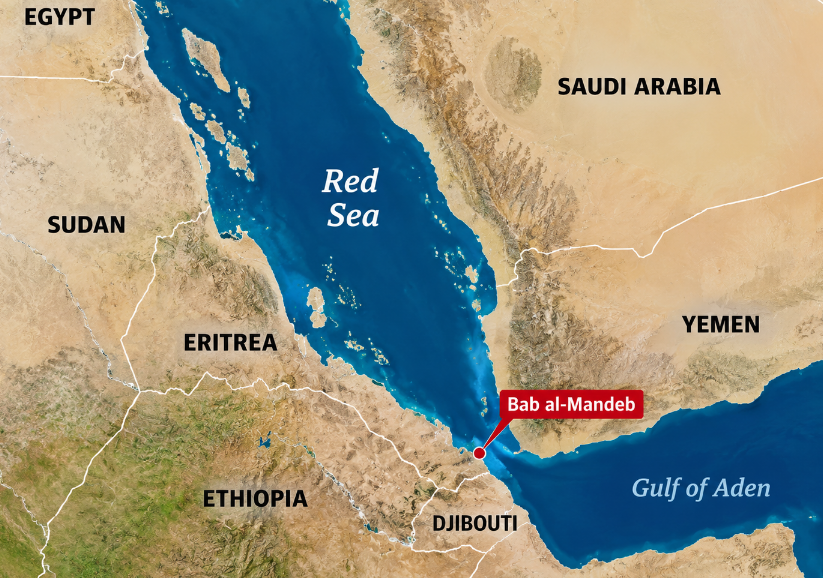
The scenario unfolded almost exactly as Reuters reported last week. According to the report, Saudi Arabia was planning several offensive operations against the terrorist organization, including an operation along Yemen’s coast to secure the shipping route through Bab al-Mandab, or an attack on several fronts simultaneously. The report also stated that forces belonging to Yemen’s internationally recognized government would lead the operation on the ground, accompanied by Saudi airstrikes.

 2+
2+Despite the official operation and declaration of war, questions are being raised across the Arab world over whether this will truly be a game-changing move. A researcher at the Sana’a Center for Strategic Studies, interviewed in Qatar, said that “the current picture mainly indicates that the Yemeni government still lacks the initiative in determining the location and timing of the battle.” In other words, the researcher argues that the government has so far lacked a clear and cohesive plan for confronting the Houthis.
According to the researcher, the Yemeni government’s weakness is evident when compared with the Houthis’ ability to advance in areas of their choosing and conduct their battles without facing significant pressure on other fronts. He added that “the Yemeni government has yet to absorb the shock of losing the western coast and Bab al-Mandab, and its leadership is still unable to deal with the consequences of this change.”
 2+
2+The Saudi side has not escaped criticism either. According to the researcher, “Riyadh has so far preferred to restrain the scale of the escalation and not push forces loyal to the Yemeni government to open all fronts at once. I do not believe this will succeed, since the circumstances of the current battle favor the Houthis more than the government forces.”
A review in Qatari media emphasized that Saudi Arabia continues to hold the advantage in the air and that the Houthis are apparently still unable to effectively counter it. However, it argued that the strategy currently being pursued in Yemen is to wear down the Houthis and gradually erode their capabilities.
 2+
2+At the same time as efforts are underway to liberate the Bab al-Mandab Strait, the Yemeni government is now focused on defending the city of Taiz. A Houthi capture of the city would constitute a major defeat for the Yemeni government, as it would bring the terrorist organization another step closer to the government’s new capital in Yemen, Aden — whose fall would likely decide the outcome of the campaign.
The Saudi attack also raises questions surrounding the recently signed Mecca agreement. Across the Arab world, questions are now being raised over whether, following Saudi Arabia’s official entry into the war, its partners Turkey and Pakistan will join the campaign — or whether they will continue to remain on the sidelines, fail to uphold the alliance and once again leave Saudi Arabia alone against the terrorist organization.