


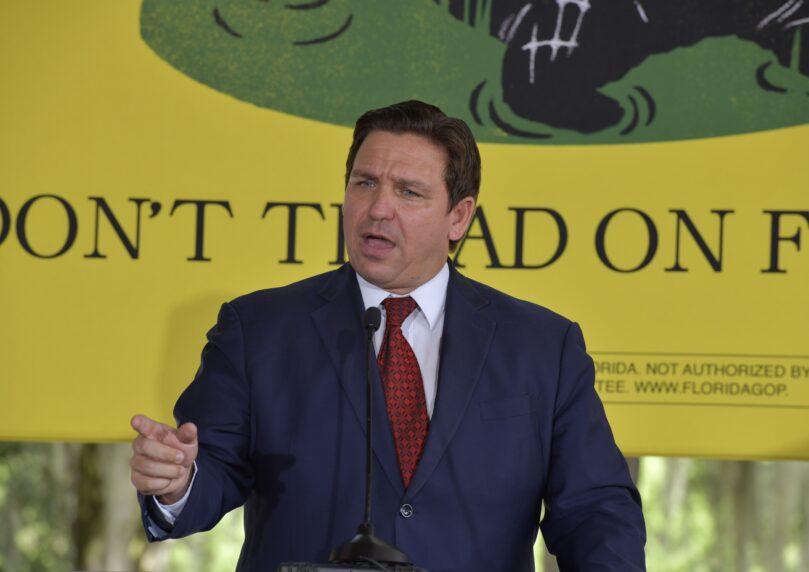

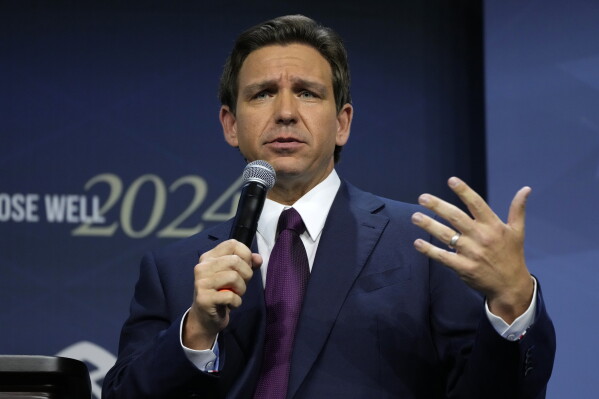
The state of Florida is taking new action against organizations it says pose an extremist threat, formally designating the Muslim Brotherhood, the Council on American-Islamic Relations (CAIR) and Antifa as terrorist organizations under state law. Gov. Ron DeSantis announced the move Tuesday in a post on his X account, confirming that he and the Florida Cabinet had approved the three designations.
Today we officially designated the Muslim Brotherhood, CAIR and Antifa as terrorist organizations per the anti-sharia law signed earlier this year. pic.twitter.com/qIZRIFa7au
— Ron DeSantis (@RonDeSantis) September 29, 2026
DeSantis and the Florida Cabinet approved the designations under HB 1471, legislation that took effect July 1 and established a formal process allowing Florida’s chief of domestic security to recommend organizations for designation, subject to approval by the governor and Cabinet.
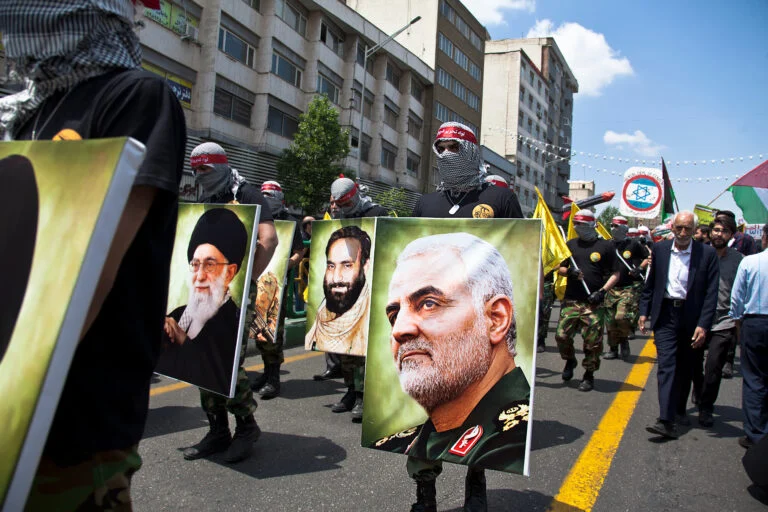
The new law carries significant consequences. State and local governments are prohibited from providing taxpayer funding, contracts or other public support to designated organizations, while public colleges, universities and school districts are similarly restricted from using public resources to support them. Florida law also establishes criminal penalties for knowingly providing material support or resources to a designated terrorist organization. More than 90 federally designated foreign terrorist organizations have also been recommended for inclusion on Florida’s list, including the Sinaloa Cartel, Tren de Aragua and Iran’s Islamic Revolutionary Guard Corps.

 5+
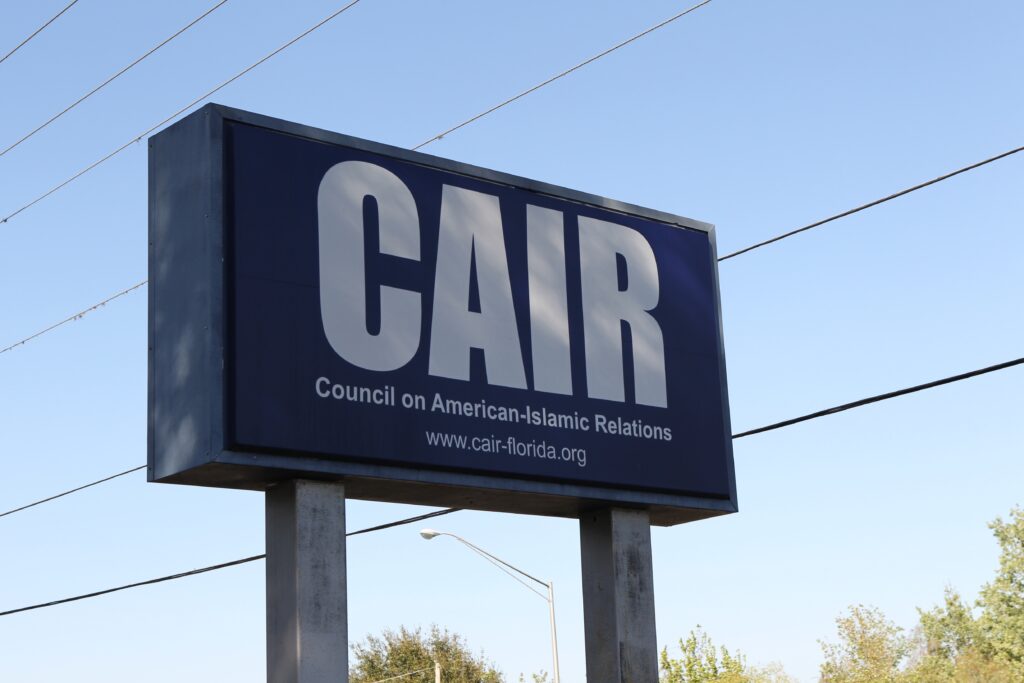
5+The designation of CAIR is particularly contentious because the organization, which describes itself as a Muslim ‘civil-rights and advocacy organization’, has never been designated a foreign terrorist organization by the U.S. federal government. Yet its history has repeatedly placed it at the center of controversy over alleged links between American Islamist organizations and Hamas-linked networks. Those questions figured prominently in the landmark federal prosecution of the Holy Land Foundation for Relief and Development, once the largest Muslim charity in the United States.
In 2008, a federal jury convicted the Holy Land Foundation and five of its leaders on charges stemming from the provision of approximately $12.4 million in support to Hamas. Federal prosecutors presented evidence that the Muslim Brotherhood had established a U.S.-based “Palestine Committee” intended to support Hamas and that the Holy Land Foundation became its principal fundraising arm.
 5+
5+The evidence was extensive. Federal investigators used wiretaps, searches and internal documents to reconstruct what the Fifth Circuit Court of Appeals later described as a complex network connecting Holy Land Foundation officials with Hamas and its associated organizations. The appellate court upheld the individual defendants’ convictions, concluding that they had been fairly convicted after reviewing the massive evidentiary record.
CAIR was not a defendant in the Holy Land Foundation prosecution and was never convicted in the case. It was, however, included by federal prosecutors on a publicly filed list of unindicted co-conspirators and joint venturers. The designation itself did not constitute a finding of criminal guilt, and the government later acknowledged that publicly filing the lengthy list rather than sealing it had been an “unfortunate oversight.”
 5+
5+More significant than the label itself was evidence introduced during the Holy Land Foundation proceedings concerning the network of organizations operating around the Muslim Brotherhood’s ‘Palestine’ Committee. According to the Justice Department, the government’s case showed that the Brotherhood created a network of organizations in the United States during the early 1990s intended to spread its message and raise money benefiting Hamas. Wiretapped conversations and documents recovered by investigators were used to establish the relationships among members of that network. The evidence was serious enough that the FBI subsequently changed how it dealt with CAIR.
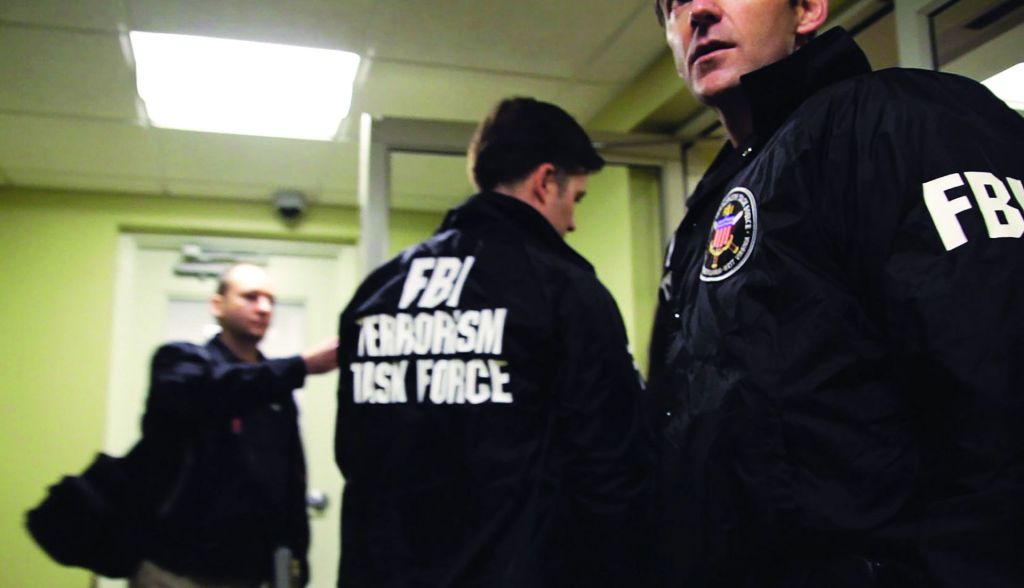
A Justice Department inspector general report later confirmed that the FBI developed a policy in 2008 to “significantly restrict” non-investigative interactions with CAIR. According to the inspector general, that decision was based in part on evidence introduced during the Holy Land Foundation trial that linked CAIR leaders to Hamas.
 5+
5+The policy was also intended to prevent CAIR from using interactions with the FBI to suggest a relationship with the bureau that went beyond what actually existed. The inspector general later investigated several instances in which FBI personnel continued public interactions with CAIR despite those restrictions, concluding that FBI policy had not been properly followed in three of five incidents examined.
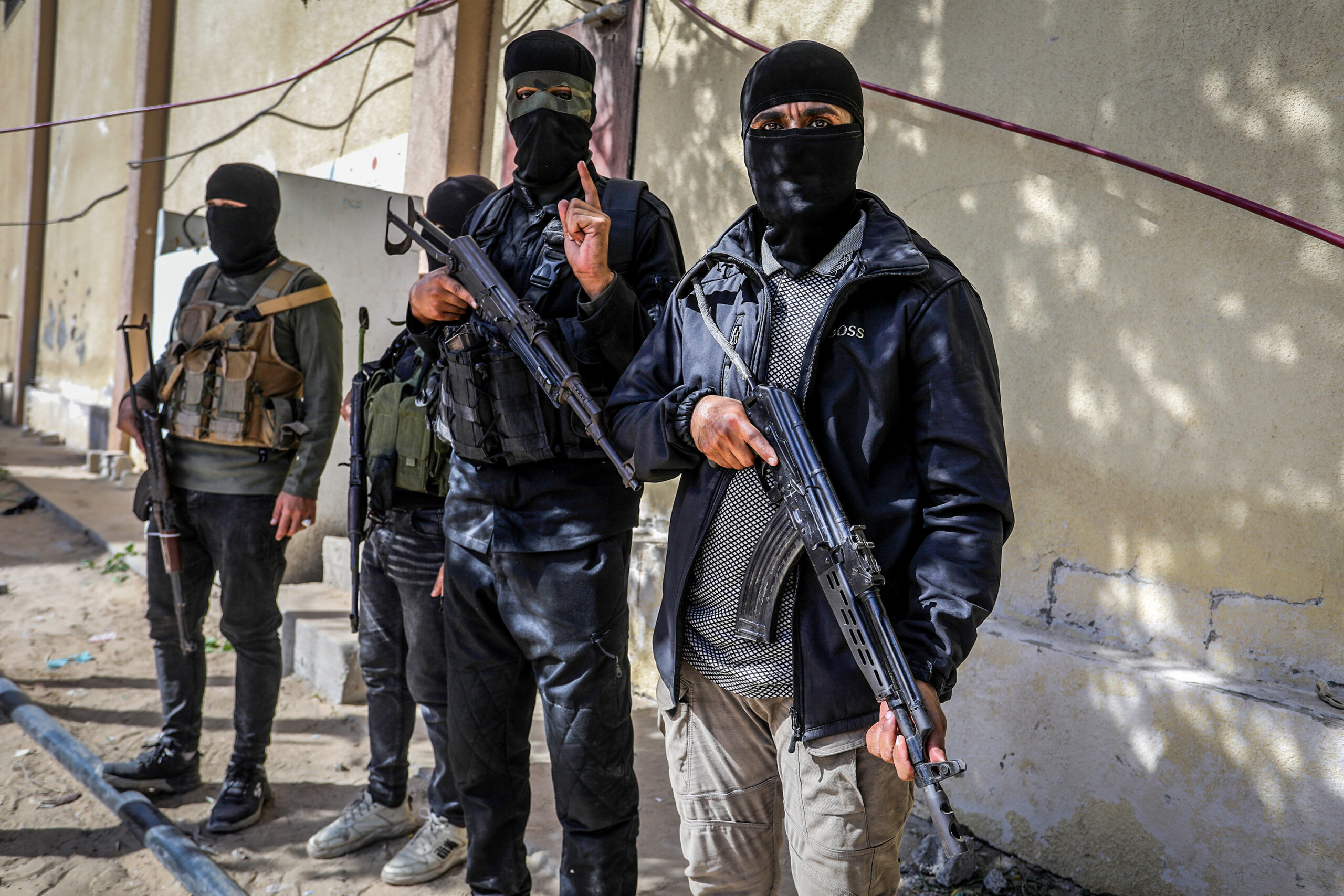
The underlying Holy Land Foundation case itself resulted in some of the most consequential terrorism-financing convictions in American history. The Justice Department said the organization funneled millions of dollars to Hamas-controlled charitable committees in Gaza and Judea and Samaria, helping Hamas build public support while freeing other resources for its violent activities. Federal prosecutors also introduced evidence from a 1993 meeting of members of the ‘Palestine’ Committee in Philadelphia. According to the Fifth Circuit’s account of the trial evidence, participants discussed continued support for Hamas and ways of concealing that relationship. At one point, participants were instructed not to refer explicitly to Hamas and instead used “Samah” — Hamas spelled backward.
 5+
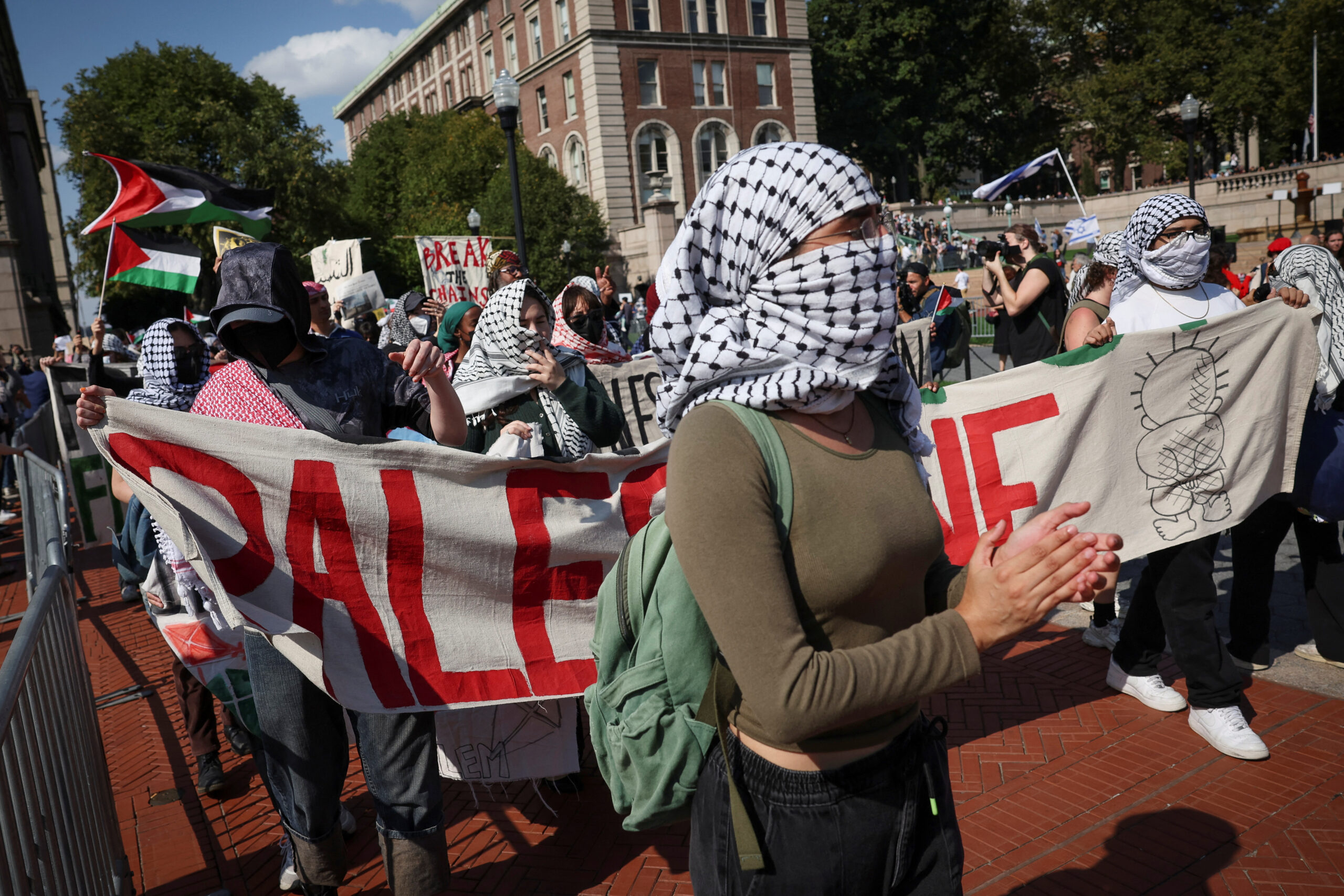
5+The court record therefore provides considerably more context to the current Florida controversy than the mere fact that CAIR appeared on an unindicted co-conspirator list. It documents a broader federal investigation into a Muslim Brotherhood-created network supporting Hamas and explains why the FBI subsequently restricted its dealings with CAIR. CAIR strongly disputes Florida’s characterization and has challenged the state’s actions in federal court, arguing that the designation violates constitutional protections, including the First and 14th Amendments. The organization has long rejected accusations that it supports terrorism and maintains that efforts to associate it with Hamas are politically motivated.
 5+
5+Florida officials, however, argue that the state’s new law gives authorities additional tools to prevent public money and government resources from reaching organizations they determine meet the statutory criteria for terrorist designation. DeSantis had already targeted CAIR and the Muslim Brotherhood in an executive order last year, directing state agencies to take lawful measures to prevent prohibited activities by the organizations and to deny privileges or resources to those providing material support.
The 2026 legislation went further by creating a permanent statutory designation process and attaching specific legal consequences to inclusion on the state list. Florida’s move now sets up a significant constitutional and legal confrontation over how far a state can go in designating domestic organizations as terrorist groups — while simultaneously reviving questions raised nearly two decades ago by one of the largest Hamas-financing prosecutions ever brought in an American courtroom.