


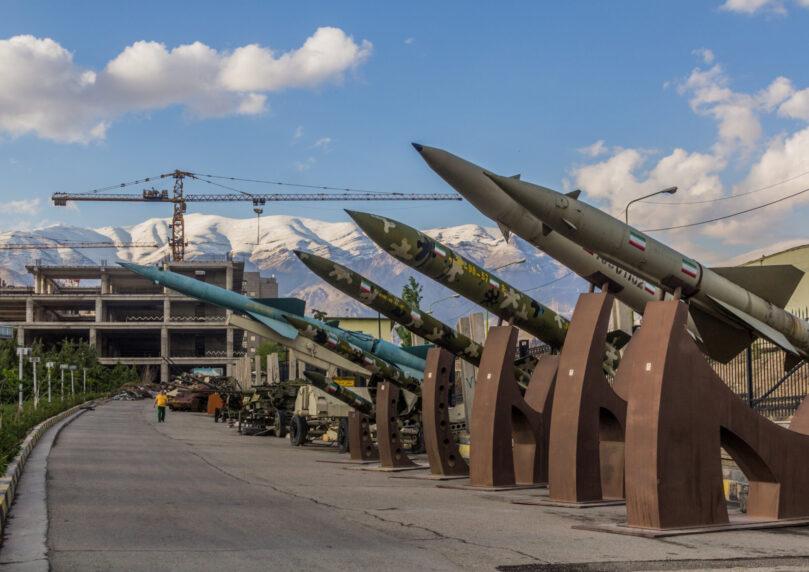

Dramatic new details emerged Monday about a direct Iranian attack on American forces in the Strait of Hormuz that the Pentagon kept hidden from the public: eight U.S. Marines were wounded on September 14 after an Iranian anti-ship cruise missile hit the vessel they were operating in the strategic waterway. According to an NBC News report citing three U.S. officials, the Defense Department never publicly announced the attack when it happened, and the eight wounded were added to the Pentagon’s official casualty database only nearly ten days later.

 2+
2+The Marines wounded in the incident didn’t suffer serious injuries. U.S. officials said they experienced smoke inhalation and symptoms consistent with concussion—including severe headaches—and that traumatic brain injuries were suspected. All eight—seven enlisted Marines and one officer—returned to operational duty shortly afterward.
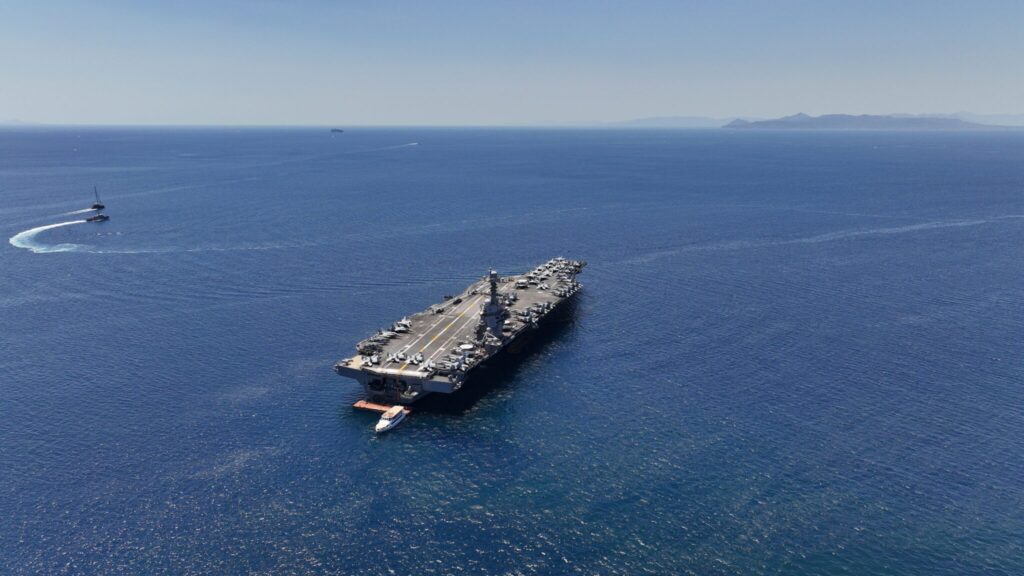
At the time of the missile strike, the Marines were operating as part of a Battalion Landing Team, a Marine Corps unit tasked with amphibious missions from sea to shore. The identity of the vessel that was hit remains unclear: the three sources emphasized it was not a U.S. Navy warship but rather a “maritime craft,” without confirming whether it was a civilian vessel chartered from a private company. Two days later, an Iranian attack using four drones and an anti-ship missile against a vessel operating under U.S. contract in the area was reported—an incident that also involved minor casualties from smoke inhalation—but there’s no official confirmation yet that it was the same event.
 2+
2+The central issue sparking controversy is the Pentagon’s silence—it never issued any public statement about the attack on forces on September 14. Requests for comment were referred to Central Command, which declined to respond, and the official casualty database listed the Marines only in aggregate numbers without detailing the circumstances or location of their injuries.
A defense official explained that the ten-day delay in recording casualties in the Pentagon’s DCAS system isn’t necessarily unusual, since traumatic brain injury symptoms sometimes emerge after the fact and the system isn’t fed in real time. Still, the case adds to a Washington Post report about a sudden update of 37 wounded in a single week—29 sailors and eight Marines—without public explanation, and the current disclosure sheds light on some of them.
 2+
2+The latest figures reveal the extensive scope of U.S. military casualties in the conflict: the Pentagon database now counts 861 American service members wounded in the war with Iran, a significant increase from the 756 wounded and 18 killed reported in August. Similar gaps were recorded in July, when it was revealed that nearly 100 troops were wounded in attacks on American bases—the vast majority (96%) of whom returned to duty.