


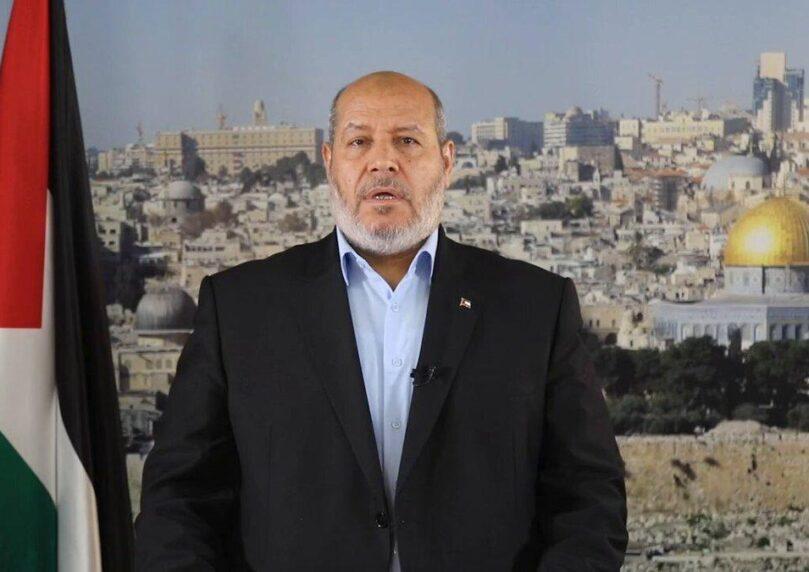

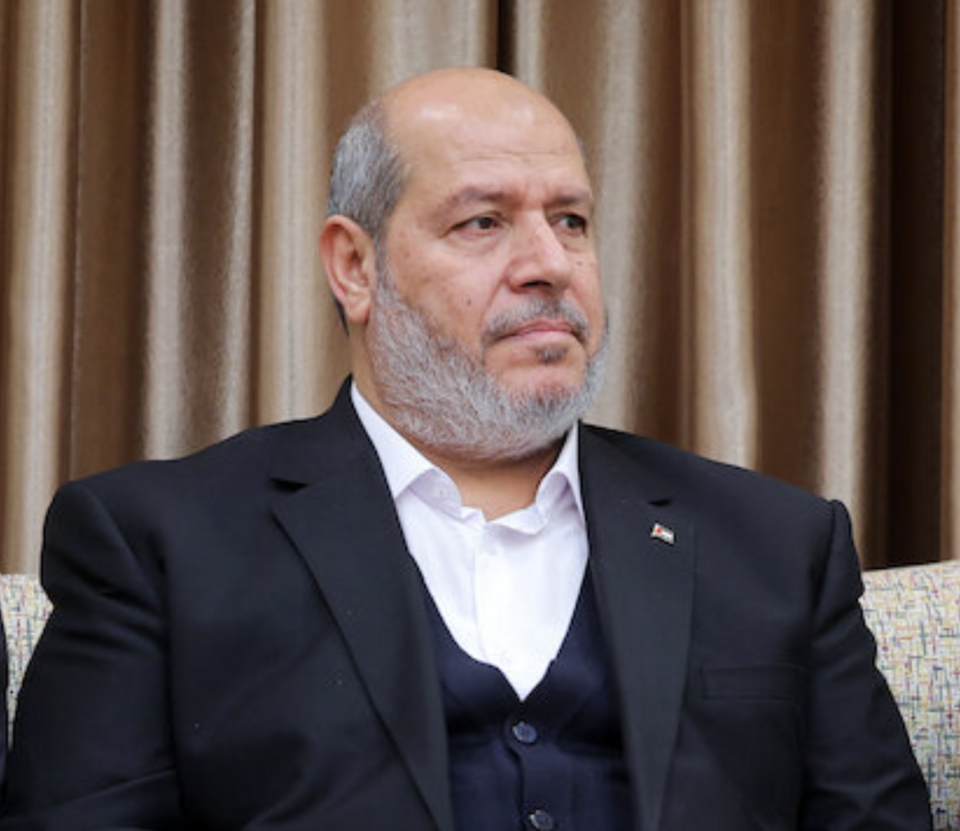
Hamas’ chief terrorist Khalil al-Hayya said the organization intends to contest November’s ‘Palestinian’ legislative elections as part of a political coalition, while simultaneously vowing to continue its “resistance” against Israel — raising fresh questions over Hamas’s stated commitment to the U.S.-backed roadmap for Gaza.

 5+
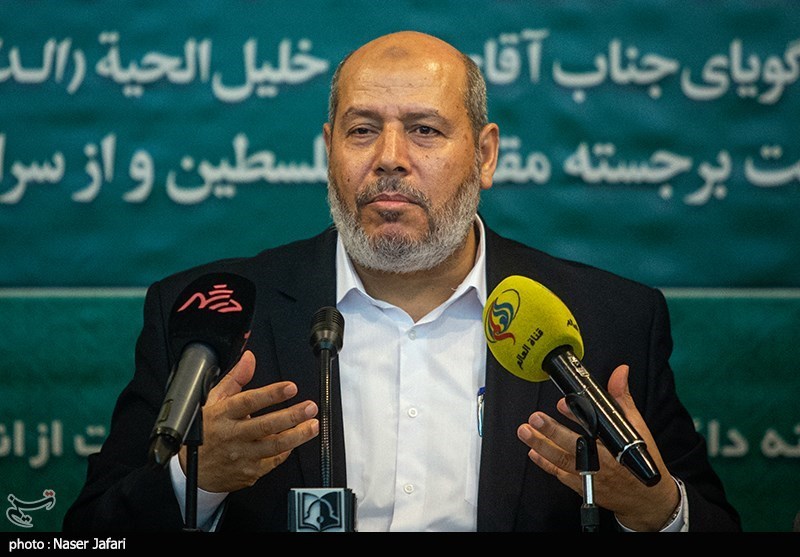
5+In an interview with the Qatar-based Al-Araby TV broadcast over the weekend, al-Hayya said Hamas had already agreed to participate in the elections and had met with other ‘Palestinian’ factions to form an alliance that is now preparing to contest the vote. The ‘Palestinian’ Authority has scheduled legislative elections for November 28, the first such vote in two decades. Hamas won the last legislative elections in 2006 before violently seizing control of the Gaza Strip from forces loyal to the ‘Palestinian’ Authority the following year.
 5+
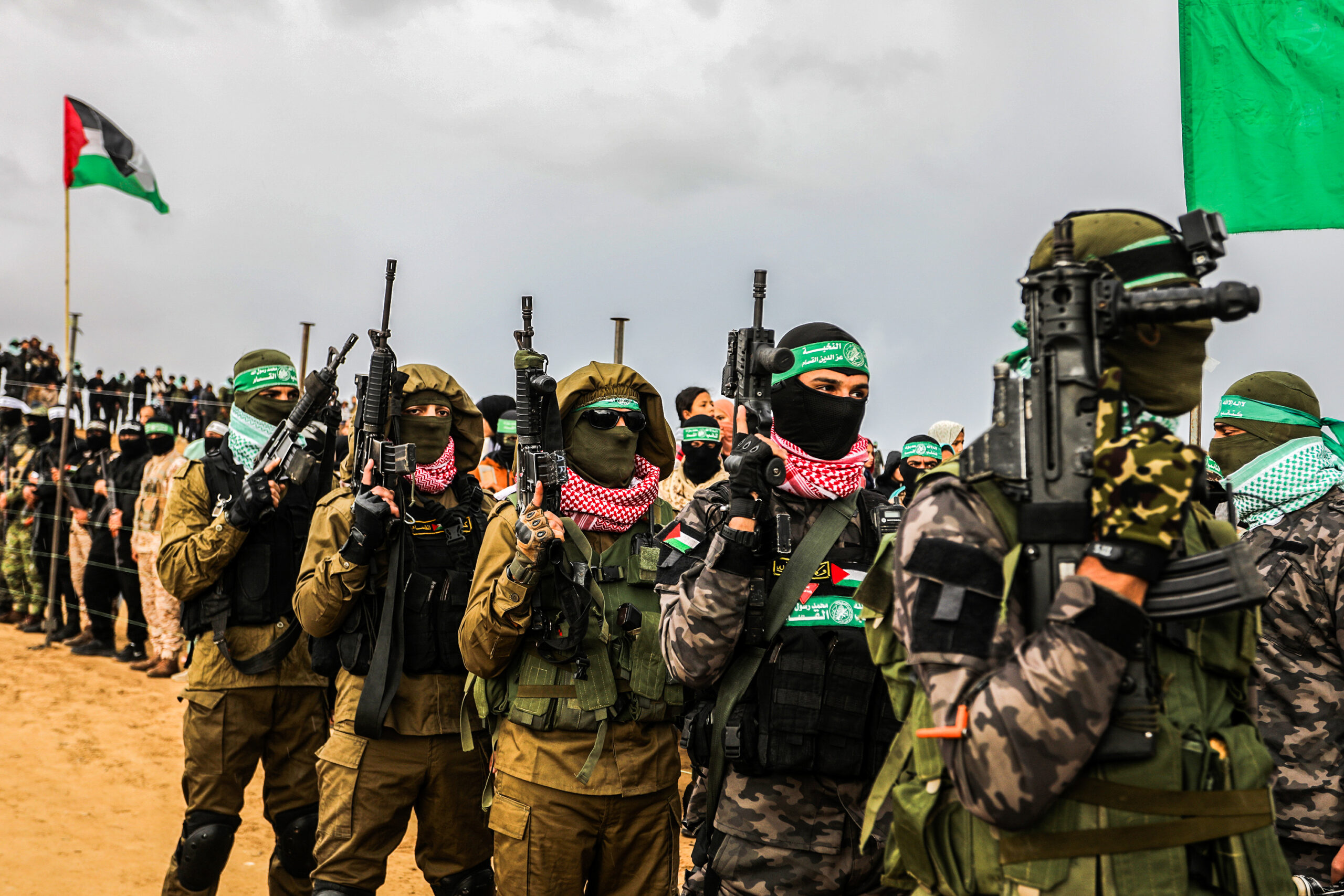
5+Pretending to be politicians all of a sudden, Al-Hayya said Hamas views the upcoming elections as a means of “politically” unifying Gaza, Judea and Samaria and eastern Jerusalem. “We are ready to sit down with President Abbas to lay the foundations for a national program and achieve genuine unity,” al-Hayya said, referring to ‘Palestinian’ Authority President Mahmoud Abbas. But the Hamas leader also made clear that the terrorist organization has no intention of abandoning what it calls “resistance,” saying it would continue [murderously] confronting Israel using the means available to it.
 5+
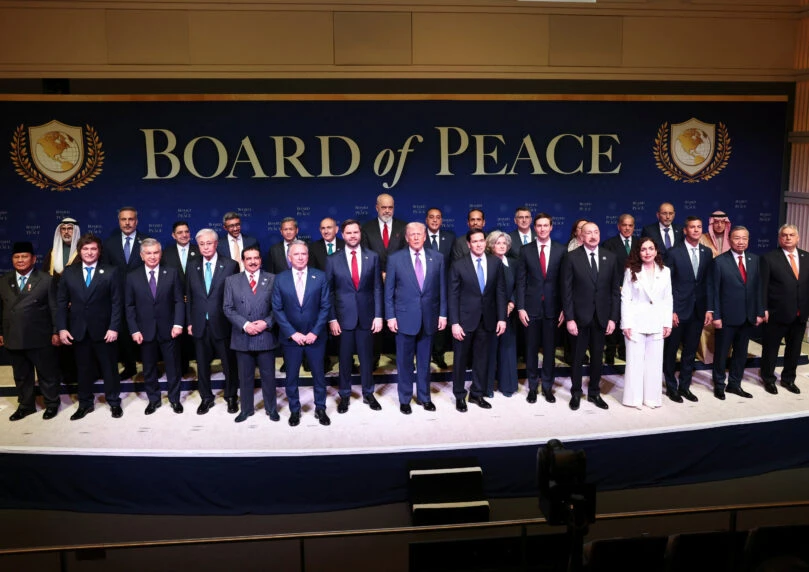
5+The declaration appears to stand in tension with the framework being advanced by U.S. President Donald Trump’s Board of Peace for the future of Gaza. The Board of Peace’s July 30 roadmap states that Hamas and other ‘Palestinian’ factions are to accept a framework requiring “full demilitarization, de-radicalization, and the transfer of all civilian and security authorities in Gaza” to the National Committee for the Administration of Gaza.
The roadmap is built around the principle of “One Authority, One Weapon, One Law” and envisions Gaza being governed without Hamas control. As disarmament is completed, Israeli forces are to withdraw in phases while an International Stabilization Force works alongside a new ‘Palestinian’ police force.
 5+
5+Trump described the July agreement as a step toward Gaza being governed by a new ‘Palestinian’ government working closely with the Board of Peace, while ensuring that the territory could no longer be used as a base for terrorist attacks against Israel. Al-Hayya’s latest comments, however, indicate that Hamas is simultaneously seeking a role in the future ‘Palestinian’ political system while publicly maintaining its commitment to “resistance.”
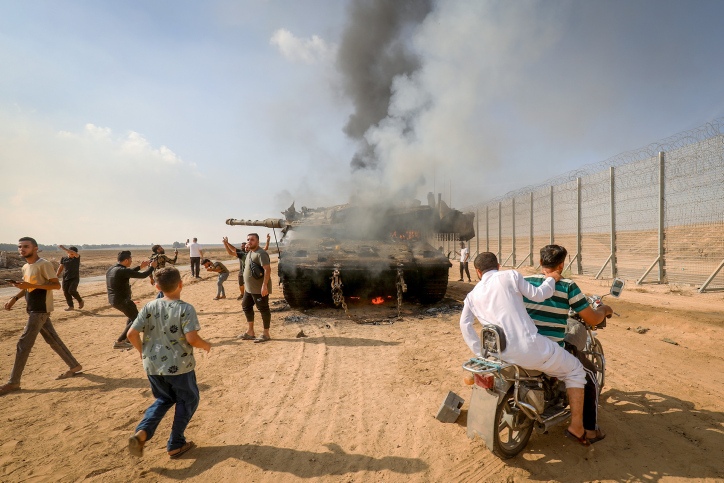
The Hamas chief also defended the October 7, 2023 massacre, portraying the terrorist assault as a response to Israeli policies rather than repudiating the attack. Hamas-led terrorists invaded southern Israel on October 7, murdering approximately 1,200 people and abducting 251 hostages into Gaza. The massacre triggered the Gaza war and ultimately led to the international negotiations that produced the current ceasefire and political roadmap.
 5+
5+Al-Hayya nevertheless insisted that Hamas remains prepared to implement the Gaza roadmap and called on mediators to pressure Israel to fulfill its own obligations under the agreement. He also revealed that Hamas officials have met with American representatives more than four times, saying discussions centered on Gaza, the broader ‘Palestinian’ issue and Hamas’s demands. Al-Hayya claimed Hamas had encountered “understanding” from U.S. officials during those meetings but said the organization wanted Washington to translate that into action.
 5+
5+The Hamas leader additionally sought closer ties with Abbas, saying elections could provide a route toward rebuilding ‘Palestinian’ political institutions and eventually the Palestine Liberation Organization. If November’s elections are postponed, al-Hayya said Hamas’s existing political alliance would remain intact and would be opened to additional factions in an effort to create a broader unified front.
His remarks therefore put two competing visions of Hamas’s future into sharp focus: the Board of Peace roadmap calls for the terrorist organization to disarm and surrender its civilian and security authority in Gaza, while Hamas itself is openly preparing to contest elections, build ‘political’ alliances and preserve what it calls its “resistance.”
The November vote, if it proceeds, could consequently become an early test of whether Hamas intends to withdraw from ‘Palestinian’ governance as envisioned by the postwar framework — or attempt to continue waging Jihad through the ballot box.