


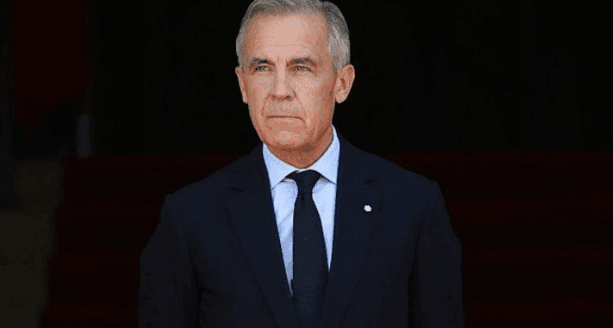

Canadian Prime Minister Mark Carney revealed in an interview with the New York Post this week that his government has prepared contingency plans for the possibility of a military invasion by the United States, amid the escalating and ongoing trade crisis between the two countries.

 2+
2+Carney stressed that the preparations do not reflect a likely scenario or an imminent threat, but rather an exercise in risk management. “You have a responsibility in these jobs to look at tail risks. It’s not the central scenario, but it would have been irresponsible not to do it,” he said. The dramatic remarks by the 61-year-old Carney, a former governor of both the Bank of Canada and the Bank of England, come amid an unprecedented deterioration in relations between the historic allies. Just a week earlier, European Commission President Ursula von der Leyen proposed bringing Canada into the 27-member bloc as an associate member — a move President Donald Trump described as a “hostile act.”
 2+
2+The deepening economic rupture between the two countries widened further after the Canadian government imposed retroactive tariffs ranging from 15% to 50% at the beginning of the month on more than $20 billion worth of American goods, including steel, aluminum, wool, lumber, milk, shirts and air conditioners. In response, Trump barred Canadian products from federal procurement contracts. Earlier, in August, the United States imposed 50% tariffs on approximately $28 billion worth of Canadian goods, including beverages, dairy products and electronics.
Following that move, Carney told reporters that Canada had been attacked, characterized the situation as a war and vowed that his country would respond forcefully. Trump responded to those remarks by signing an executive order renaming Lake Ontario “Lake America,” alongside threats to raise tariffs on Canadian cars, trucks and auto parts beginning in January. The tensions follow years of deteriorating relations that began under Carney’s predecessor, Justin Trudeau.
 2+
2+Despite the countries’ long history of partnership and friendship — and their shared border, the longest undefended international border in the world — both sides have drawn up military contingency plans in the past. These included Canada’s “Defence Scheme No. 1,” developed by Canadian military planners in the 1920s, and the American “War Plan Red,” devised by the U.S. War Department. The military disparity between the two countries remains enormous. The United States military has approximately 1.3 million active-duty personnel across its six service branches, while Canada has slightly more than 100,000 personnel across its regular and reserve forces.