


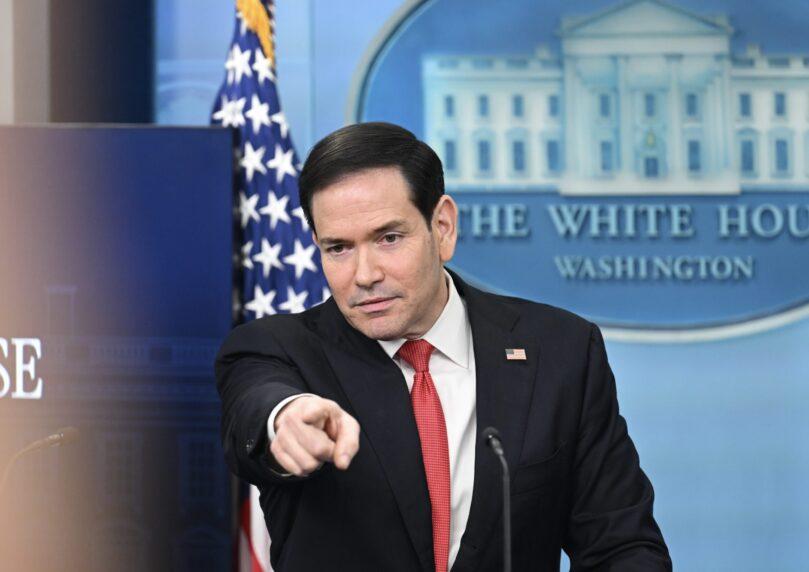

A historic move in Washington is reshaping the upper echelons of American power: President Donald Trump signed an appointment letter making Secretary of State Marco Rubio’s role as National Security Advisor permanent, after he served in the position on a temporary basis for about 16 months. Rubio becomes only the second person in American history—after Henry Kissinger in the 1970s—to simultaneously hold both central power centers of foreign policy and security.

 2+
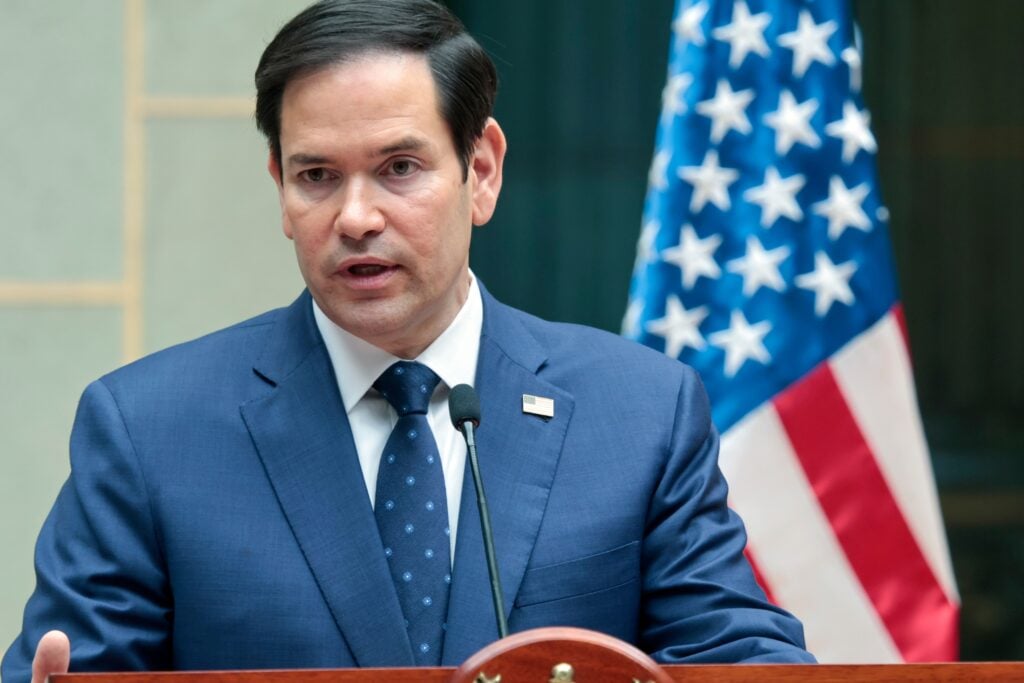
2+According to a Fox News report, confirmed by three official sources at the State Department, the White House, and the administration, Trump formalized Rubio’s status after he began filling the role in May 2025, replacing Mike Waltz. The dual role gives Rubio double control: on one hand, leading the entire diplomatic apparatus as secretary of state, and on the other, managing the National Security Council and direct, daily access to the Oval Office on every strategic decision.
Rubio himself recently described his additional hat as the president’s coordinating arm. As an example, he pointed to handling the Iran issue: a complex matter that simultaneously involves the Treasury Department, the Energy Department, the State Department, the defense establishment, and the White House. According to him, his role as National Security Advisor is to harness all the agencies, ensure they’re “pushing and pulling in the same direction,” and translate the president’s directives into unified policy on the ground.
 2+
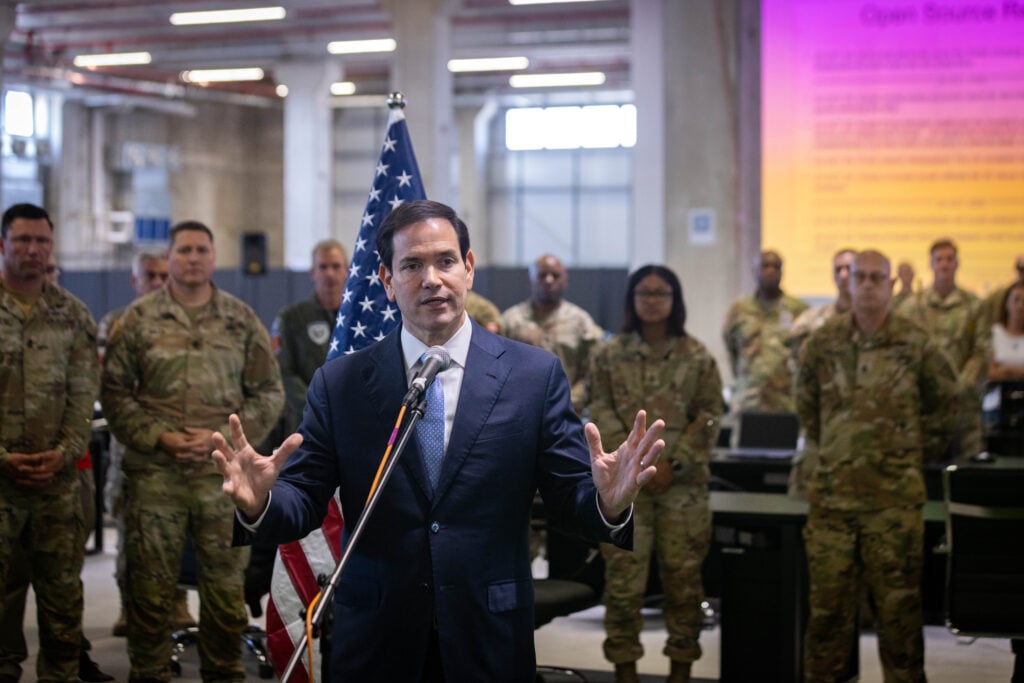
2+Such a combination of powers has occurred only once before, when Henry Kissinger was appointed National Security Advisor in 1969 under President Richard Nixon, and was later sworn in as Secretary of State in 1973—a move that gave him tremendous influence at the height of the Cold War and during Israel’s Yom Kippur War. Now, Rubio is recreating that model and establishing his grip as a unique center of knowledge and decision-making in the current administration.
The appointment comes against the backdrop of a series of additional roles Trump has assigned him since entering the White House, including de facto management of the U.S. Agency for International Development (USAID) and the role of acting U.S. Archivist. The multiplicity of hats has become a viral phenomenon on social media, where countless edited photos and memes have circulated showing him as a pilot, a beekeeper at the White House, or a jockey in horse races. However, behind the online humor stands a real concentration of power: Rubio now holds a position of influence unmatched at every juncture where policy and security decisions are made in the world’s most powerful nation.
 2+
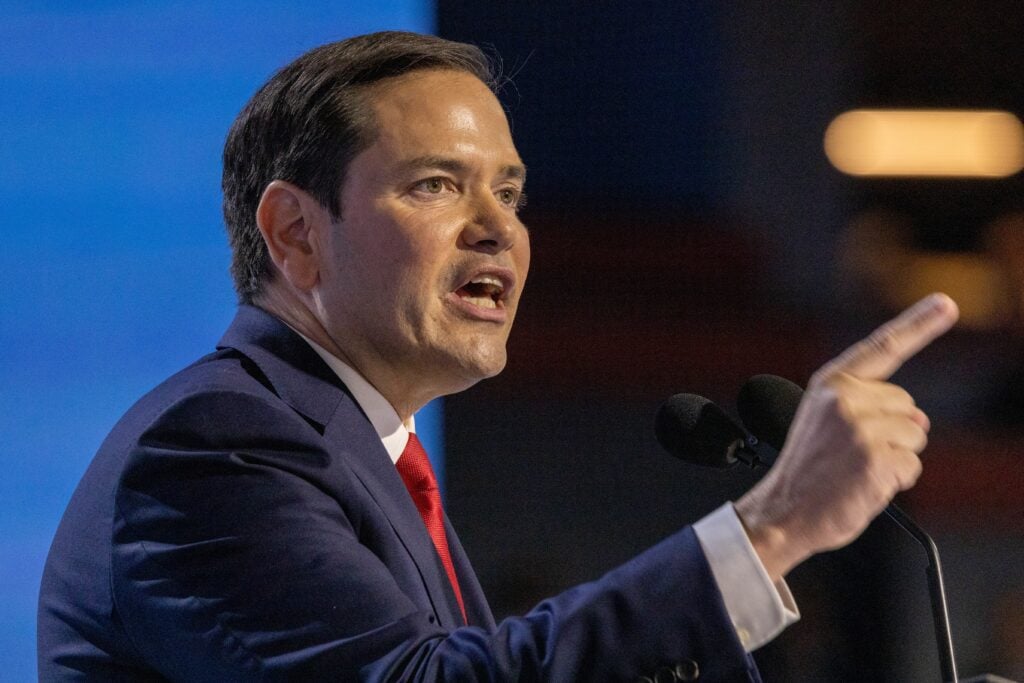
2+Trump’s decision to permanently anchor Rubio’s dual role reflects deep personal trust, but also a desire to streamline and shorten the security chain of command. In previous administrations, bitter friction and rivalries were often recorded between the secretary of state and the National Security Advisor over proximity battles to the president and differences in approach.
By unifying the roles under Rubio, Trump is preemptively preventing internal power struggles and ensuring that the aggressive and diplomatic lines are managed by one hand. As the administration grapples with burning arenas simultaneously—chief among them the sensitive contacts with Tehran, the commercial and geopolitical confrontations with China, and the war in Europe—Marco Rubio is positioning himself as the most influential figure on U.S. national security since the 1970s.