


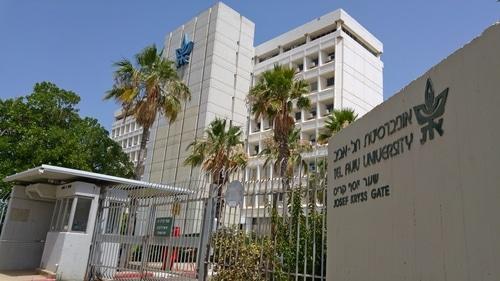

The political divide is spilling into Israel’s universities. A battle is brewing at Tel Aviv University over the student union’s speaker invitations, with students claiming the campus systematically blocks politicians and public figures identified with the nationalist camp from events.
The allegations carry extra weight given the principles the university and student union themselves promote: free speech, equality, and diversity of opinion. Now students raising the complaints want to know whether those principles hold when the speakers lean right.
According to claims circulating on campus, this isn’t about one speaker. Students say opposition surfaces time and again when they try to bring in figures associated with the right-wing camp. Whether this amounts to systematic policy by the union requires backing from specific cases and correspondence.
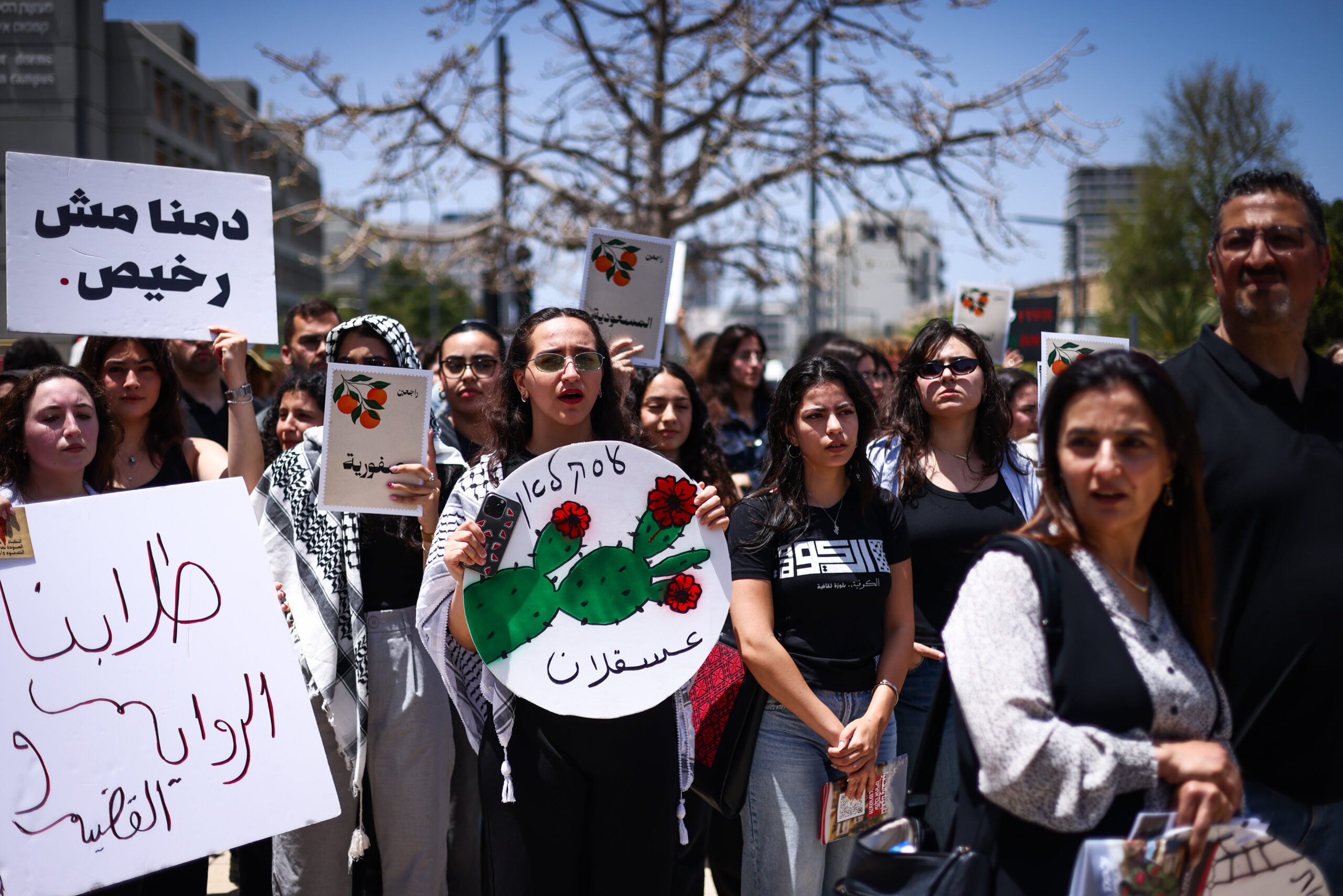

The current controversy sharpened around the expected arrival of Knesset member Tally Gotliv from Likud. Gotliv responded sharply to claims about opposition to her visit and announced she intends to come to the university anyway.
“Tel Aviv University, what are you afraid of?” Gotliv said. “The height of hypocrisy. If you support BDS, Tel Aviv University will embrace you; if you wave a PLO flag, absolutely. Well, you’re not shutting us up. I’ll be there tomorrow.”
The uproar revives an old question about the boundaries of political discourse on campuses: Does a body representing a diverse student population actually provide equal platforms for voices across the political map, or are there gaps between declarations of pluralism and what happens on the ground?
Now the test will be simple: not which political position is more acceptable on campus, but whether free speech rules apply equally even to those whose views provoke opposition.