




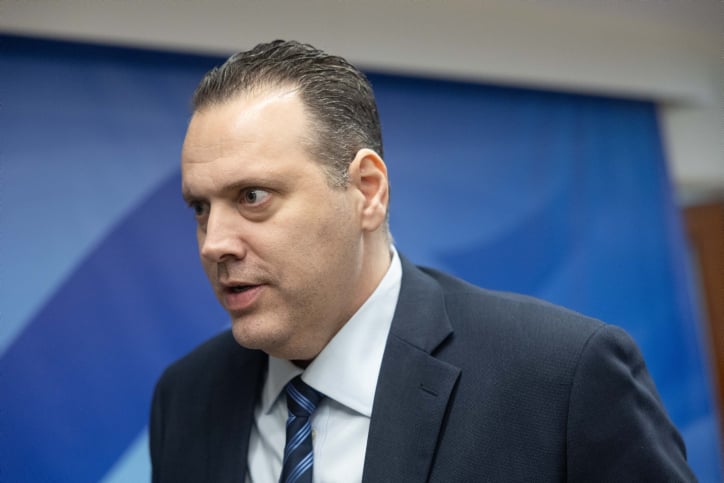
Culture and Sports Minister Miki Zohar’s campaign against the filmmakers behind “NAZA” has escalated from political rhetoric to formal enforcement action: Boaz Yosef, director-general of Israel’s Population and Immigration Authority, notified Zohar on Tuesday that he has opened an official review into revoking the Israeli citizenship of filmmakers Yuval Abraham and Rachel Szor. The process was launched following the minister’s demand to examine whether the filmmakers’ actions constitute grounds for citizenship revocation under Israeli law—primarily aiding an enemy during wartime.


 1+
1+Zohar’s demand has now moved from political declarations to practical review by the authorized agency. In his original request, the culture minister argued that authorities should examine whether the content shown in the film and the actions surrounding its production amount to a breach of trust against the State of Israel, treason, or aiding hostile elements in the midst of war. However, officials at the authority clarify that at this stage, this is only a preliminary legal feasibility review: no practical decision has been made to revoke citizenship, and it has not yet been determined whether sufficient legal grounds exist to activate this exceptional sanction.
The Population Authority isn’t the only front Zohar is advancing against the filmmakers. In parallel, he sent a separate request to the head of the Shin Bet, Israel’s internal security agency, demanding the opening of a security investigation into the film’s production. In this request, the minister asked to examine how Abraham and Szor obtained the materials used to edit the work, and whether there was involvement by enemy elements or hostile entities in financing, obtaining, or distributing them.
 1+
1+Revoking Israeli citizenship is one of the most extreme and exceptional measures in Israel’s legal code. The Citizenship Law sets strict conditions and an exceptionally high evidentiary threshold for canceling a citizen’s status, reserving this process for clear-cut cases of terrorism, treason and espionage, or exceptionally severe breach of trust.
The process typically requires a solid evidentiary foundation, approval from the Attorney General and the Interior Minister, and often a judicial ruling by the District Court. The Population and Immigration Authority’s review represents an initial bureaucratic and legal step to examine whether these grounds exist, while claims regarding harm to state security or aiding the enemy have not yet been heard or decided by a competent legal forum.