




About a month ago, Jared Kushner, President Donald Trump’s envoy and son-in-law, visited Israel and laid out a timetable for beginning the disarmament of Gaza’s terrorist organizations. Now, just two days before the date set by Kushner, a direct confrontation is emerging between the Board of Peace and Prime Minister Benjamin Netanyahu.


 3+
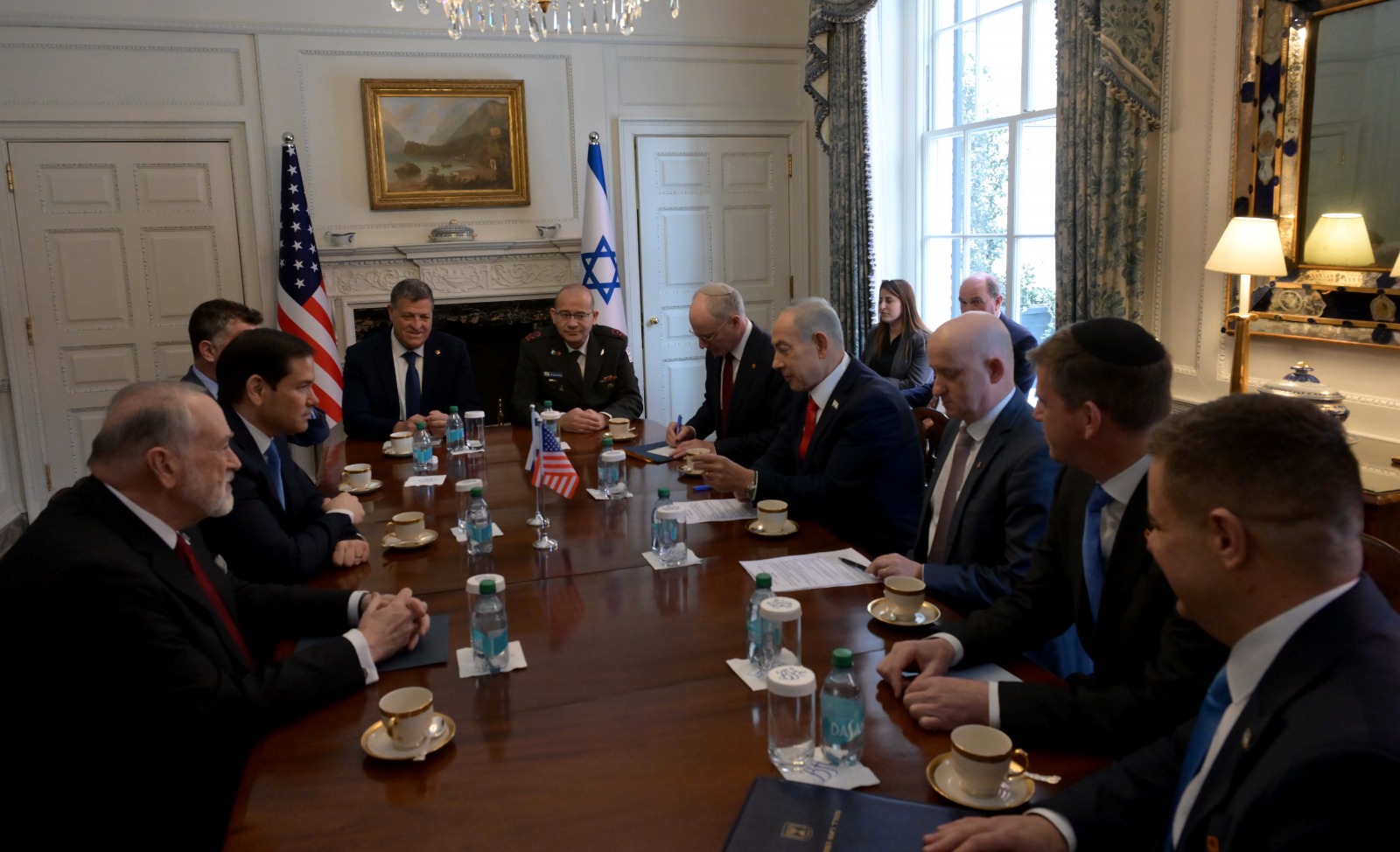
3+Board of Peace officials are furious over Israel’s continued targeted-killing policy and are pointing the finger at Netanyahu, accusing him of putting political considerations ahead of the process and throwing obstacles in its path. According to the officials, Netanyahu refused to commit to suspending the hunt for Nukhba terrorists even for 14 days.
Under the current circumstances, Board of Peace officials say, Israel’s targeted-killing policy makes it impossible to launch the Hamas disarmament process, and they do not intend to attempt to begin it until after Israel’s elections. From the American perspective, the alternative to the Board of Peace’s 15-point plan is Israeli military rule in Gaza—an option that has already been presented to Netanyahu.
 3+
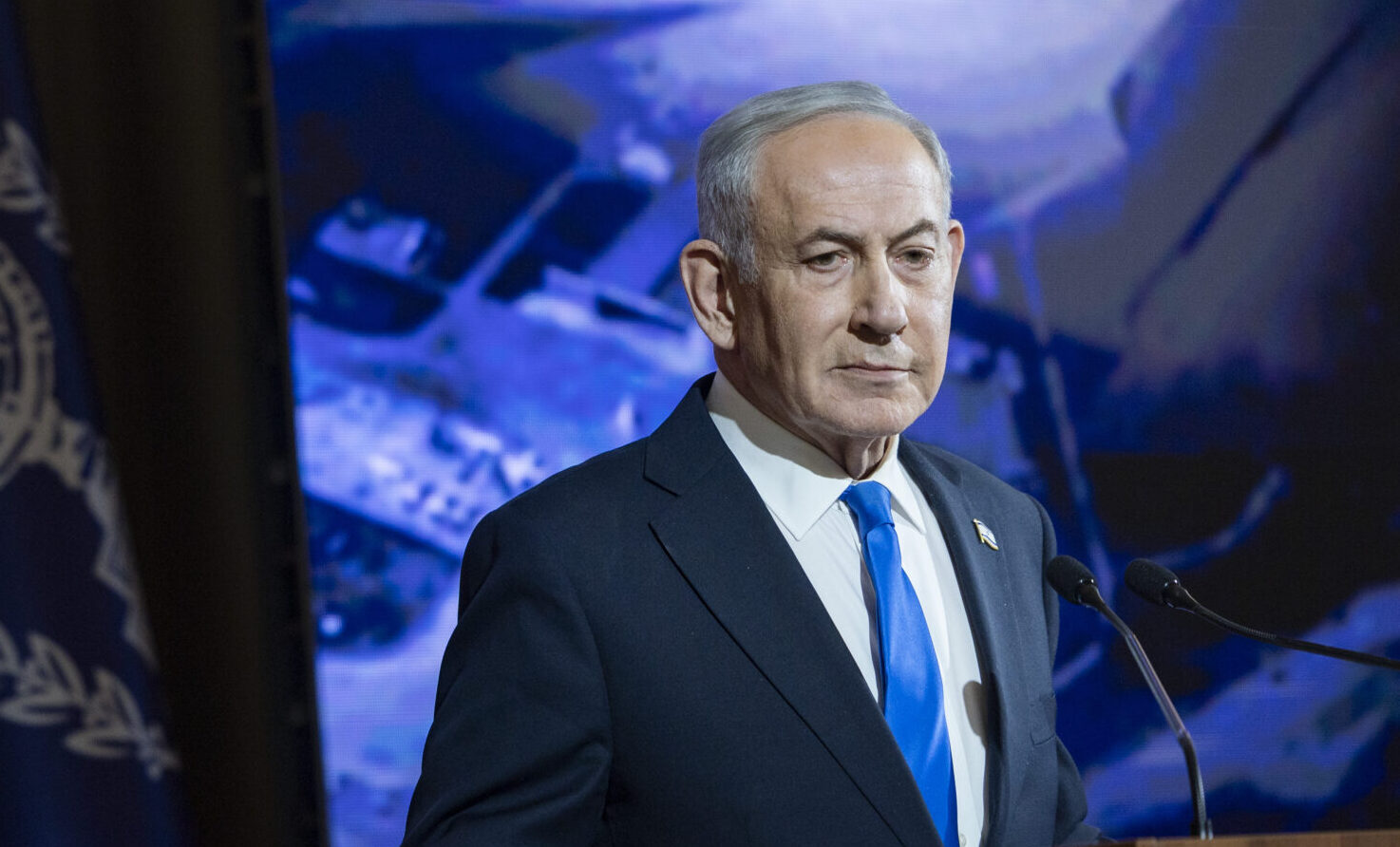
3+The dispute reflects a broader point of friction that has persisted for weeks. Board of Peace officials have pushed for Israel to give the disarmament framework an opportunity to produce tangible results, while Netanyahu has insisted that Israel retain the freedom to strike threats in Gaza. Previous talks also exposed disagreement over how broadly Israel should define an “imminent threat,” even as both sides agreed that Hamas must ultimately be disarmed. On the ground, Israel is continuing its targeted-killing policy and hunting down those who took part in the Oct. 7 massacre, including senior terrorists such as the head of Hamas’s Jabalia Battalion and the heads of its Khan Yunis and Rafah brigades, who were eliminated over the past week.
 3+
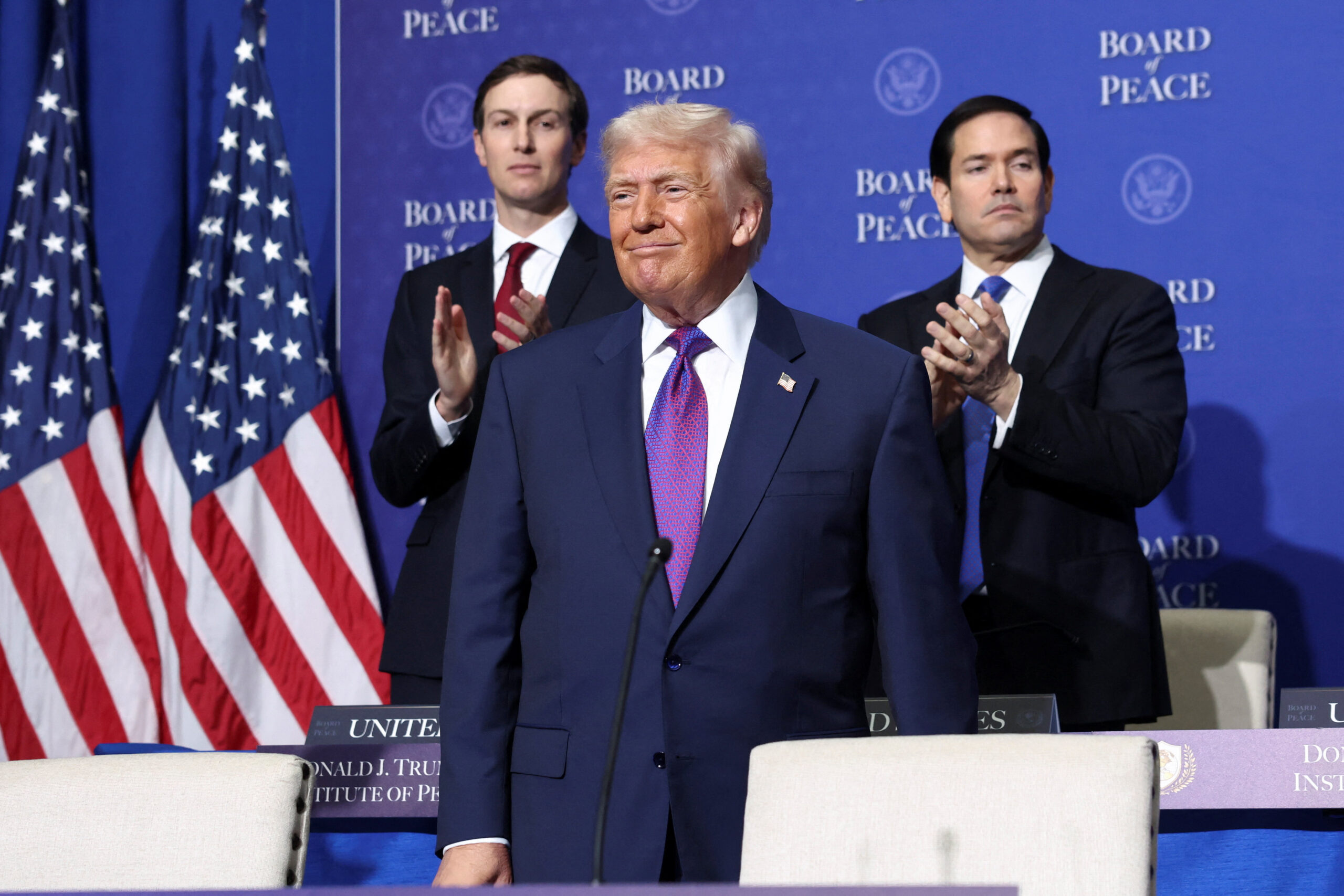
3+A Board of Peace official said: “We are no less skeptical of Hamas than anyone else. That is exactly why the proposal we presented to Israel about 45 days ago was built on verification, not promises: 14 days without targeted killings, during which Hamas halts all military activity and rearmament, and then hands over all weapons and tunnels and withdraws from governing Gaza. If it does not—Israel is entitled to finish the job, with international legitimacy. Win-win.”
That approach broadly reflects the framework Board officials have publicly promoted: Hamas’s weapons and military infrastructure would be decommissioned under international supervision, while Israel would retain the right to act if Hamas returned to terrorism, violence or attempted to rearm.
 3+
3+The official added: “Prime Minister Netanyahu rejected the proposal, and Hamas’s seriousness was never put to the test. Since then, Hamas has continued to rearm, while occasional targeted killings do not produce a decisive outcome and do not solve the central problem: Hamas’s continued rule in Gaza. The objective of the Board of Peace and President Trump is clear—a demilitarized Gaza without Hamas rule. We are 100% with Israel on that objective, but achieving it requires full coordination with President Trump, not a return to the policy that existed before Oct. 7.”
Netanyahu’s office has chosen not to respond to the allegations.