


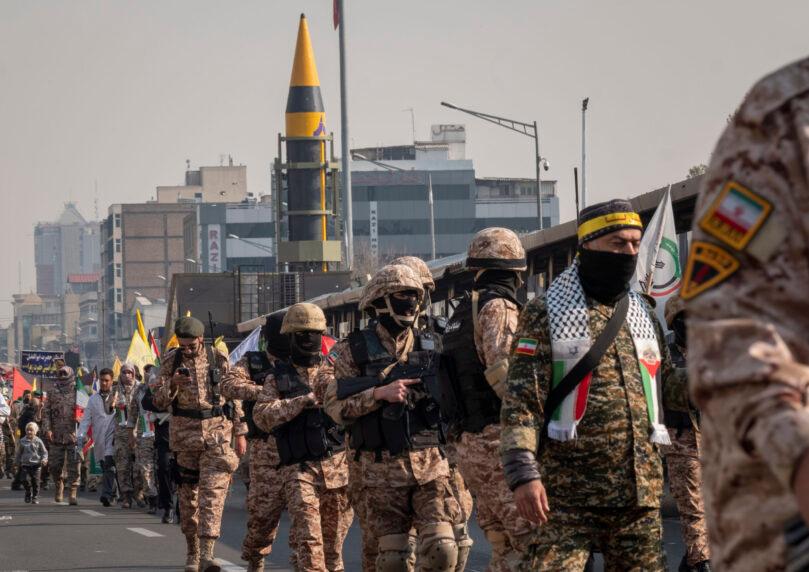

The U.S. has resumed strikes on Iran in recent days after a month-long pause, and with the attacks have come Iranian responses. Just as it did in July, Iran has responded to American strikes by focusing on bases in Jordan. What prompted the Islamic Republic to abandon closer targets and attack the more distant country?
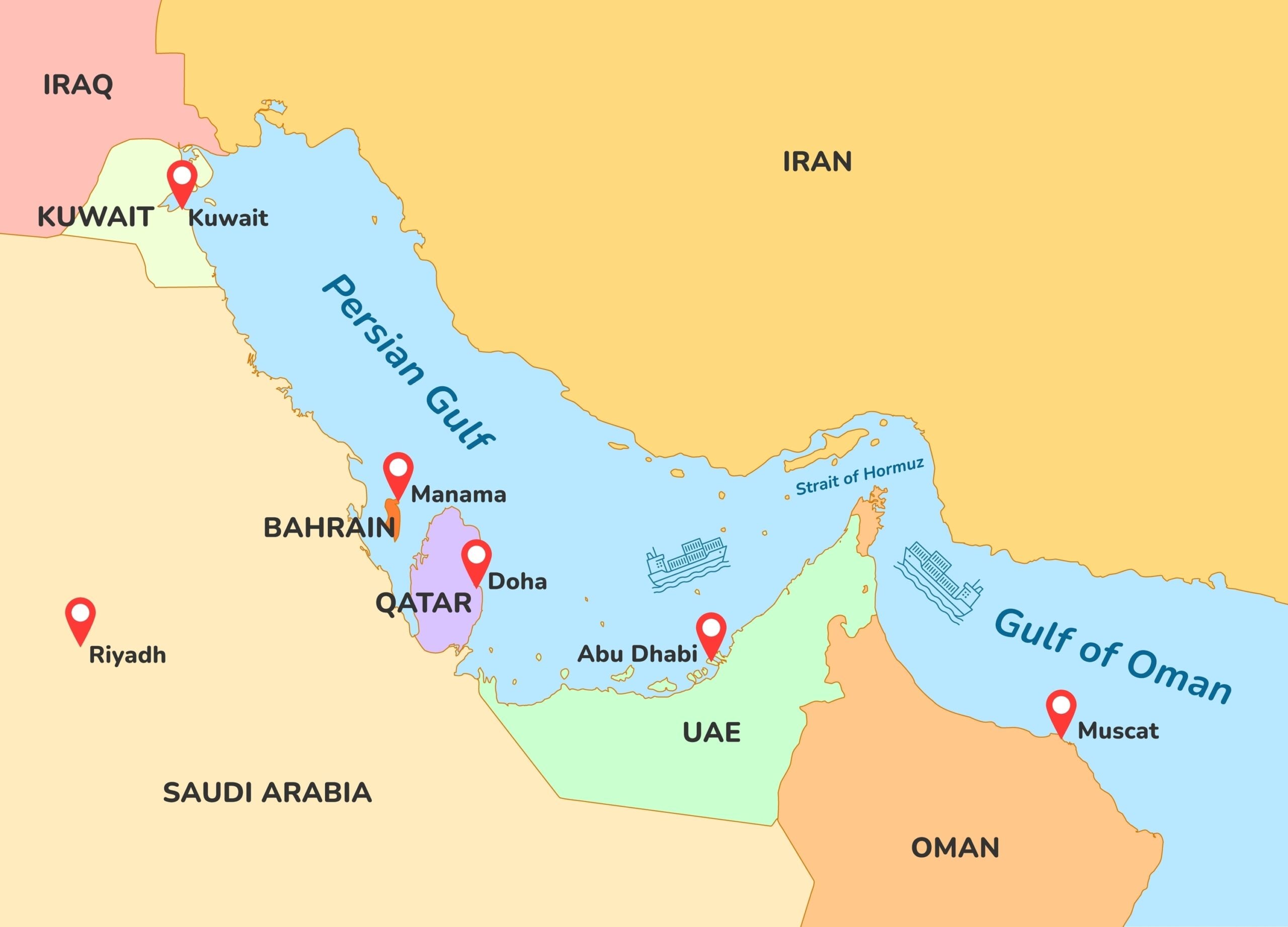
In recent weeks we’ve witnessed a shift in the Revolutionary Guards’ approach to responding to American strikes. If in the past the terror organization attacked its neighbors—Qatar, Bahrain, Kuwait, the United Arab Emirates, and even Saudi Arabia—lately the Guards have focused on a much more distant country: Jordan.


 2+
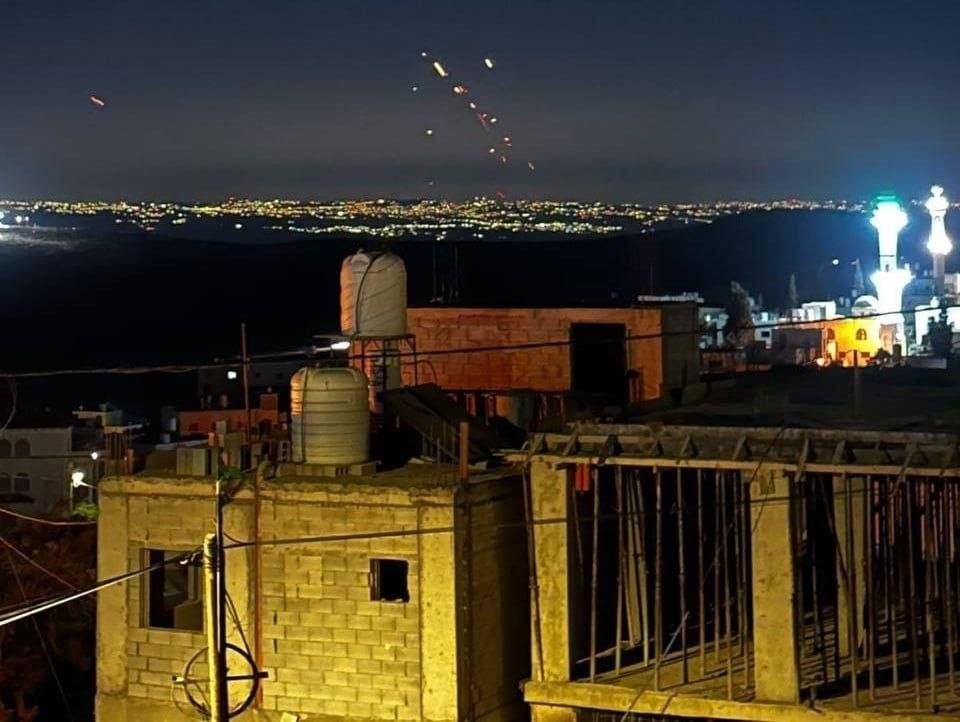
2+Over the past two months, Jordan has become the Revolutionary Guards’ preferred target. Even when the U.S. didn’t strike Iran at all for a month, the moment attacks resumed—Jordan was back on Iran’s target list. Since we share a 500-kilometer border with Jordan, Israeli citizens from Eilat to the north could see the interceptions in the kingdom’s skies from the east.
 2+
2+The Iranians’ goal is clear: U.S. military bases. Still, these aren’t targets found only in Jordan, since American bases can be found in nearly every Middle Eastern country. So the Arab world has tried to understand why Jordan specifically became the exclusive target of the Iranian terror organization.
To answer this question, Al Jazeera English interviewed Sina Azodi, director of Middle East studies at George Washington University, who provided an explanation for Iran’s focus on the Jordanian kingdom.
According to Azodi, the simple reason is that Iran is trying to repair its relationship with the Gulf Arab states. The academic added that despite threatening and attacking them many times, Iran can’t manage without its neighbors in the Persian Gulf—and they need the Islamic Republic as well.
 2+
2+Azodi said Jordan is a different story. Jordan and Iran have never had good relations—especially after Jordan signed a peace agreement with Israel. Beyond that, the academic emphasizes that Iran’s strike on a distant target like Jordan is an attempt to signal to the U.S. that the regime’s arms can still reach far-off targets.