



Tens of thousands of Jews across Ukraine received packages with holiday goods and aid ahead of the High Holidays this year, once again under the shadow of the ongoing war. But this time, the expanded range of Russian drones made the distribution operation especially dangerous and complex.
The Federation of Jewish Communities of Ukraine said Russian FPV drones now operate deep inside Ukrainian territory and strike vehicles dozens of kilometers from the front lines. As a result, transporting packages by truck became particularly dangerous in several regions, including Kherson, Chernihiv, Dnipro, Sumy, and Zaporizhzhia.
“The significant challenge this year was the increased range of Russian FPV drones,” said Alina Teplitskaya, CEO of the Federation. According to her, the drones also hit civilian targets and vehicles traveling in combat zones, requiring a change in distribution methods.

 2+
2+The solution was to transfer aid using small vehicles, but organizers ran into difficulties there too. According to the Federation, there’s a severe shortage of drivers and vehicles, partly because many drivers were drafted into the army and others are afraid to enter danger zones.
In several cases, the risk became especially tangible. Drivers trying to reach the cities of Nikopol, Marhanets, and Pavlohrad were forced to turn back after spotting Russian drones hitting vehicles traveling ahead of them. Eventually, Jewish residents from those cities came to Dnipro themselves and picked up the packages for their local communities.
 2+
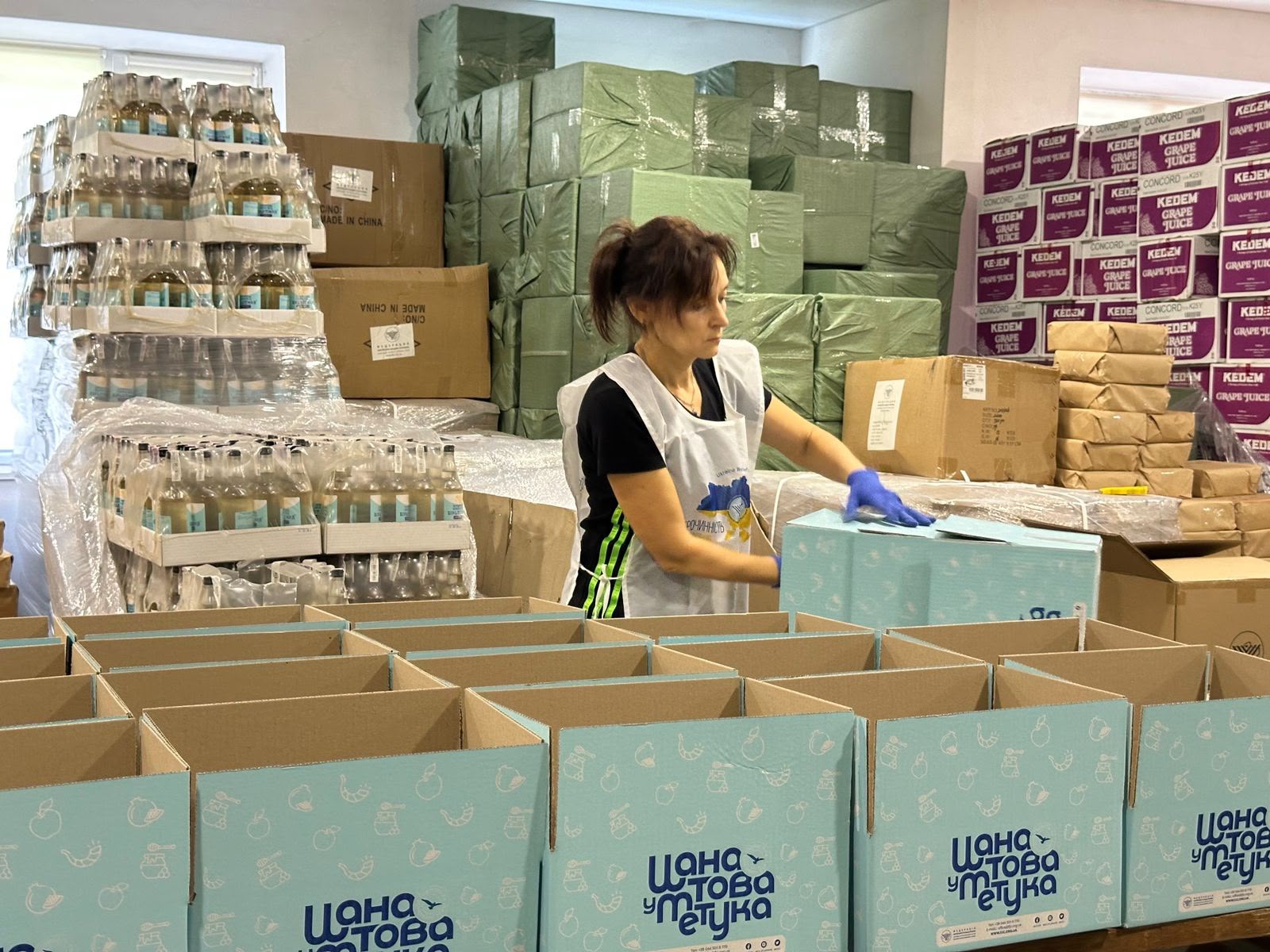
2+In total, aid packages were distributed this year to more than 50,000 Jewish households in 169 communities remaining under Ukrainian control, in cooperation with Chabad emissaries across the country.
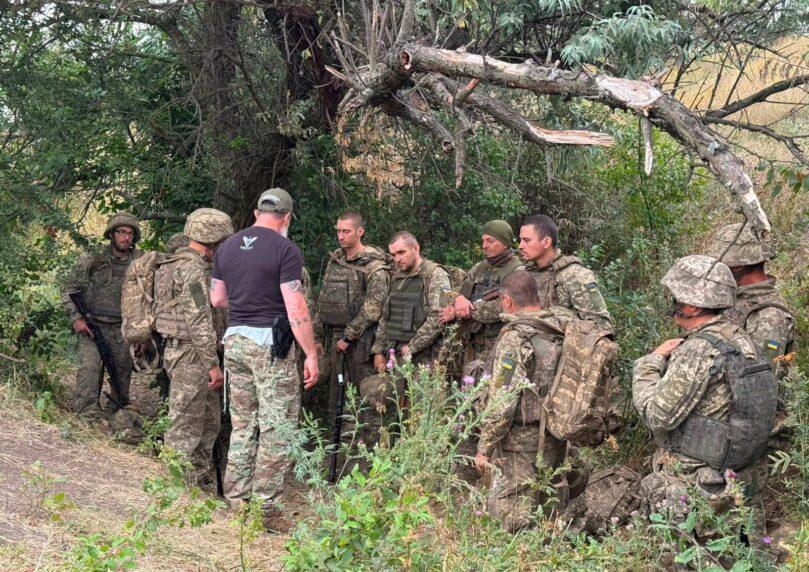
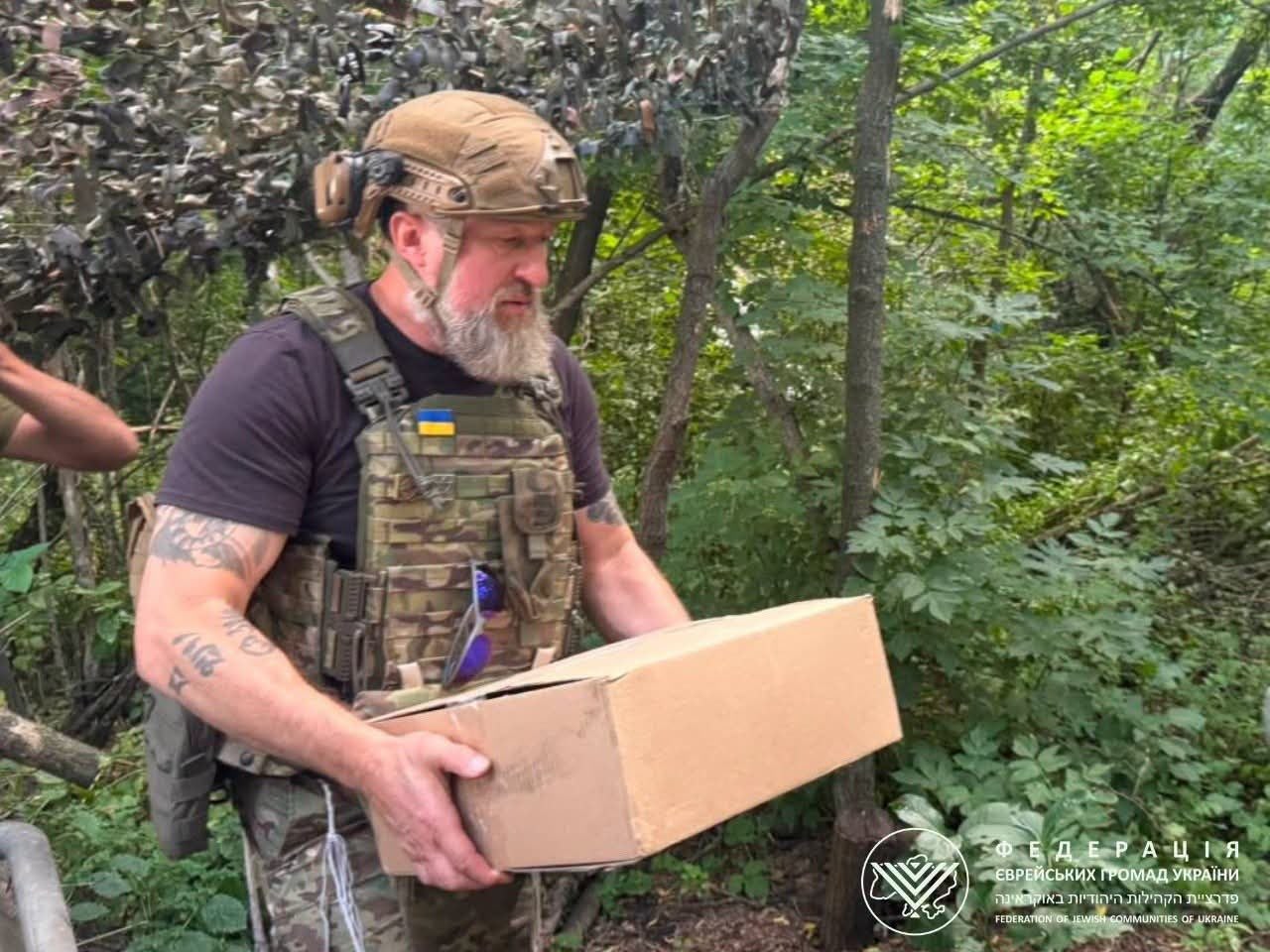
In addition, more than 1,000 special kits were distributed over the past month to Jewish soldiers serving in the Ukrainian army and stationed at bases and camps along the front.
The packages included a Hebrew-Gregorian calendar, a booklet about the High Holidays, honey, grape juice, a kippah, Shabbat and holiday candles, and other products. This year, for the first time, a children’s shofar was also included, along with a personal water bottle, given the strikes on water reservoirs across the country.
 2+
2+Rabbi Meir Stambler, chairman of the Jewish Communities of Ukraine, said the hope is that this year’s High Holidays will also mark a turning point for the Jewish community and the entire country. “When the war broke out, we didn’t imagine it would last so long and exact such high casualties and costs,” he said.