


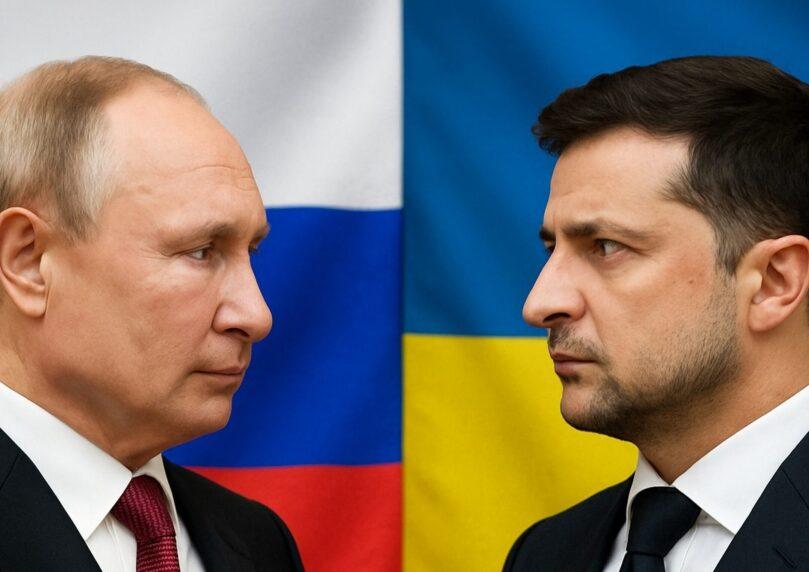

Russian President Vladimir Putin has agreed to resume peace talks with Ukraine under U.S. mediation as early as next month, the Kremlin announced Thursday. The decision follows an extended meeting yesterday in St. Petersburg between Putin and U.S. special envoy Steve Witkoff, part of Washington’s concentrated effort to end the bloody conflict in Europe.


 2+
The negotiations, which lasted nearly three hours, opened with a goodwill gesture from Moscow: the release of Stephen Hubbard, a retired American teacher held in Russian custody, after President Donald Trump personally appealed to the Kremlin. In return, Putin requested consideration of an unprecedented trilateral summit meeting in China next month, with Trump, Putin, and Chinese President Xi Jinping in attendance.
Abu Dhabi Summit and Parallel Mediation Tracks
According to the Kremlin’s account, new trilateral peace talks will be held at the technical level and are expected to take place in Abu Dhabi starting November 10. The talks will focus on formulating security guarantees for both Ukraine and Russia in the post-war period. However, the Kremlin presented a more reserved position regarding an earlier meeting Witkoff held in Oslo with Ukrainian President Volodymyr Zelensky, alongside leaders from Finland, Norway, and representatives from NATO and the European Union. While Witkoff reported “positive momentum” and new proposals from Kyiv, Putin’s adviser Yuri Ushakov clarified that “these details do not satisfy Moscow at all.”
 2+
Despite the willingness to engage in dialogue, Reuters reported that Putin shows no signs of backing down from his core war objectives: full Russian control of Donetsk province, closing the door on Ukraine’s NATO membership, and a comprehensive peace agreement—not just a temporary ceasefire.
The Rift with Ukraine
The accelerated diplomatic contacts are taking place against the backdrop of significant erosion in U.S.-Ukraine relations. The rift deepened after Trump announced earlier this month a diesel export deal with Russia, aimed at lowering soaring fuel prices in the U.S. ahead of midterm congressional elections.
 2+
Following the deal, Kyiv complained about delays and restrictions from the U.S. on real-time intelligence sharing and disruptions in access to the “Starshield” military satellite network. Meanwhile, a Wall Street Journal report claimed that billionaire Elon Musk ordered a slowdown of SpaceX’s satellite service used by Ukraine to detect ballistic missiles—a claim denied by Secretary of State Marco Rubio, who clarified that Kyiv’s access to the system was not compromised.
Ukrainian President Zelensky said he reached agreements in Oslo to resolve the intelligence and communications issues, and expressed hope to hold a direct three-way meeting with Putin and Trump soon. The Kremlin, however, clarified that such a meeting would only take place after thorough and prolonged preparatory work that would ensure concrete results.