


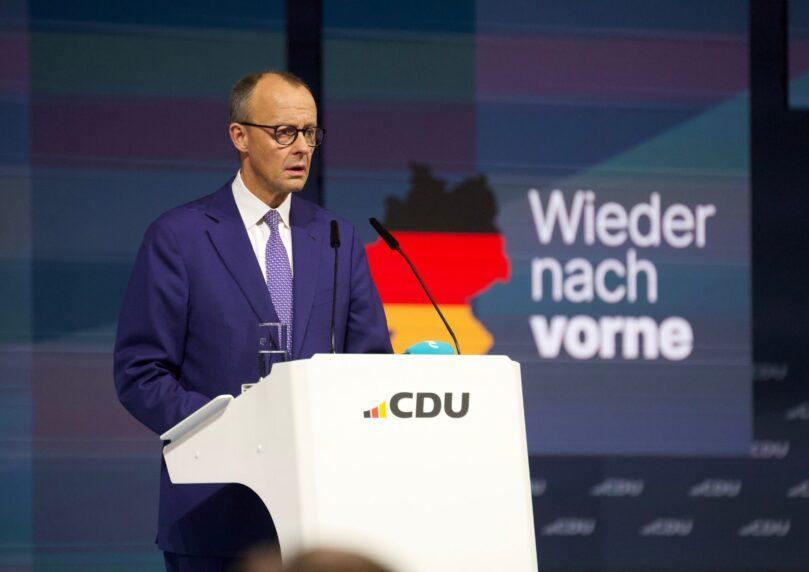

The far-right Alternative for Germany (AfD) party scored a historic victory in elections in the eastern state of Saxony-Anhalt, winning nearly 44% of the vote and becoming by far the strongest party in the state. Meanwhile, Chancellor Friedrich Merz’s Christian Democratic Union (CDU) crashed to just 17%.

 2+
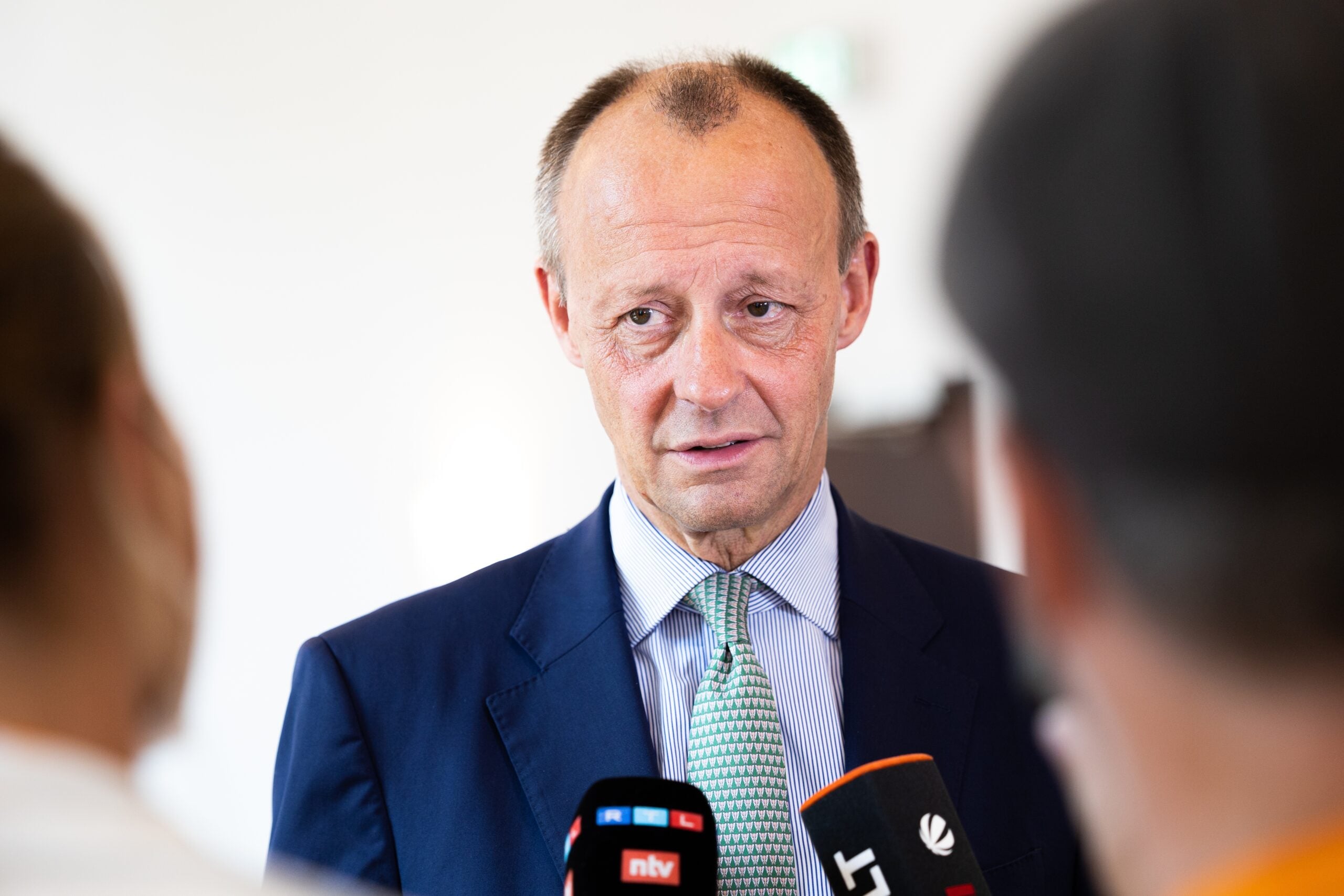
2+In his first response to the results, Merz addressed the scale of the political upheaval: “Germany is facing a tectonic shift in the party structure. This change is shaking the CDU to its core. We cannot simply continue as usual. “Despite his party’s crushing defeat and the enormous gap opened by AfD, Merz made clear that the “firewall” against the party remains in place: “There can be no cooperation whatsoever with the AfD party.”
AfD finished the election with 39 of 83 seats in the state parliament, meaning that despite its unprecedented achievement, it fell short of an absolute majority that would allow it to form a government alone. Its leaders, including Alice Weidel and local candidate Ulrich Siegmund, presented the result as a clear mandate to lead the state and as a signal to national politics in Berlin.
 2+
2+AfD’s achievement is especially significant given the CDU’s performance. The conservative party, which ruled Saxony-Anhalt for years, lost a large portion of its strength and failed to win even a single direct mandate in the state. Within the CDU, discussions have already begun about the meaning of the defeat and the responsibility of the national leadership, though senior party figures quickly rallied behind Merz and rejected calls to replace him.
The immediate challenge now is forming the state government. The CDU, SPD, Greens, and Left Party have made clear they will not cooperate with AfD, while the party itself is trying to find a way to secure the support or abstentions that would allow Siegmund to be elected state premier.
 2+
2+The result in Saxony-Anhalt is seen across Germany as an event that extends far beyond the borders of the eastern state. AfD more than doubled its strength compared to the previous election, and its victory increases pressure on Merz and his government to confront the party’s growing strength at the national level.