


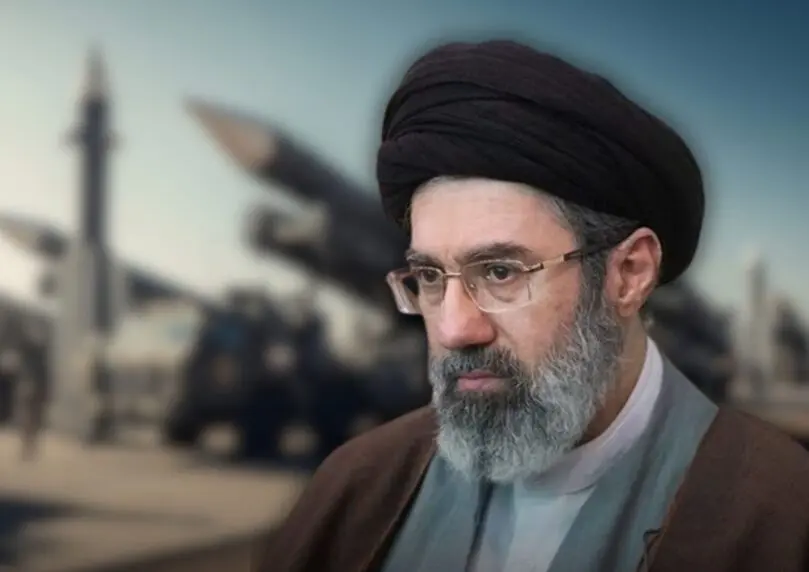

The naval battle around the Strait of Hormuz is escalating and threatening to expand into an all-out fight over freedom of navigation in the Persian Gulf: Iran’s Supreme National Security Council Secretary Mohsen Rezaei announced Sunday that Tehran will soon define a “forbidden zone” for shipping traffic, starting from the naval blockade line operated by the United States and extending inward toward the Gulf. The declaration comes at the height of growing military tension and amid a series of maritime fire incidents in recent days.

 3+
3+In his remarks, Rezaei addressed attempts by ships to slip through under cover of darkness: according to him, the American side deploys skilled teams and invests heavy resources to conduct covert nighttime crossings, including by shutting off communications and identification systems. Rezaei said that while some vessels manage to pass this way, all become immediate targets for Iranian forces. He stressed that the fact that individual ships cross the strait does not mean it is open, and made clear that Tehran allows passage only for ships carrying essential goods and food according to its needs.
On the possibility of extreme escalation and sinking ships, Rezaei explained that no official decision has yet been made to sink hostile vessels, out of a desire to prevent oil spills and severe ecological pollution that would also damage Iran’s own shores. At the same time, he issued a sharp warning: “Not one of these ships will leave the area unharmed, and they will definitely be hit.”
 3+
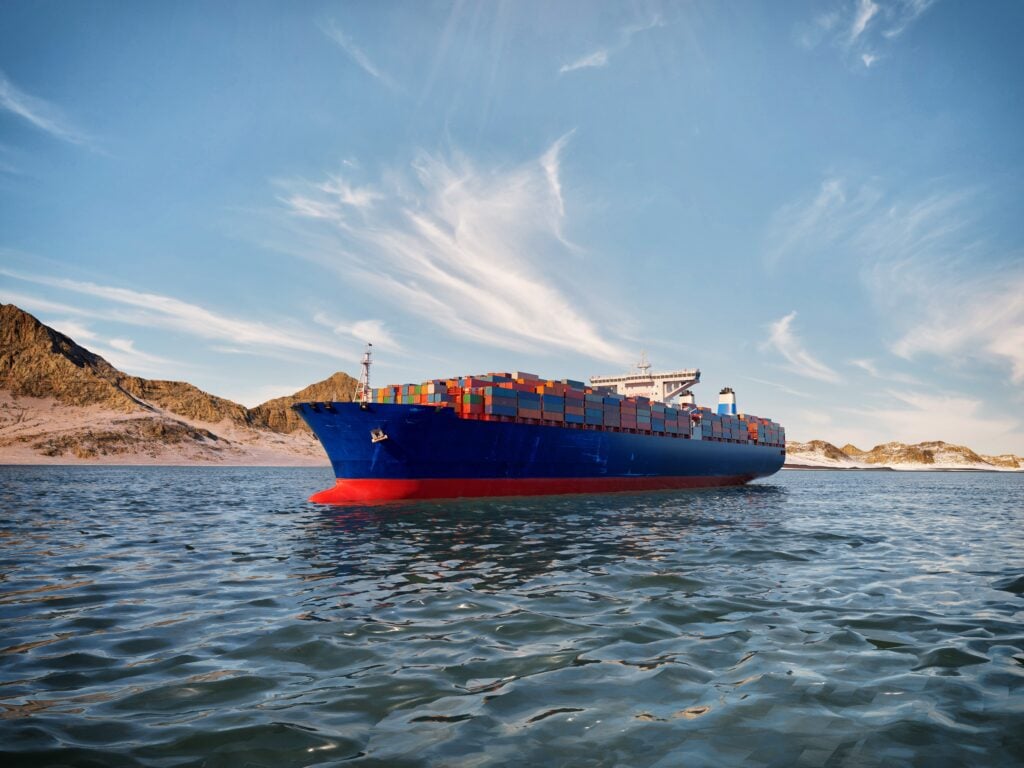
3+These threats are based on steps already taken on the ground: just four days ago, Tehran added 11 more ships to its blacklist, which now includes 56 oil tankers, liquefied natural gas carriers, and energy transport vessels defined as rule-breakers. Iran warned that punitive measures will also be applied against ships that assist them, including in ship-to-ship cargo transfers at sea.
The restrictions are already cutting activity in the area: last Tuesday saw passage of only four commercial ships through the strait, compared to ten the day before and a daily average of about 13 ships in the preceding ten days—though the picture may change retroactively due to the practice of ships turning off transponders.
 3+
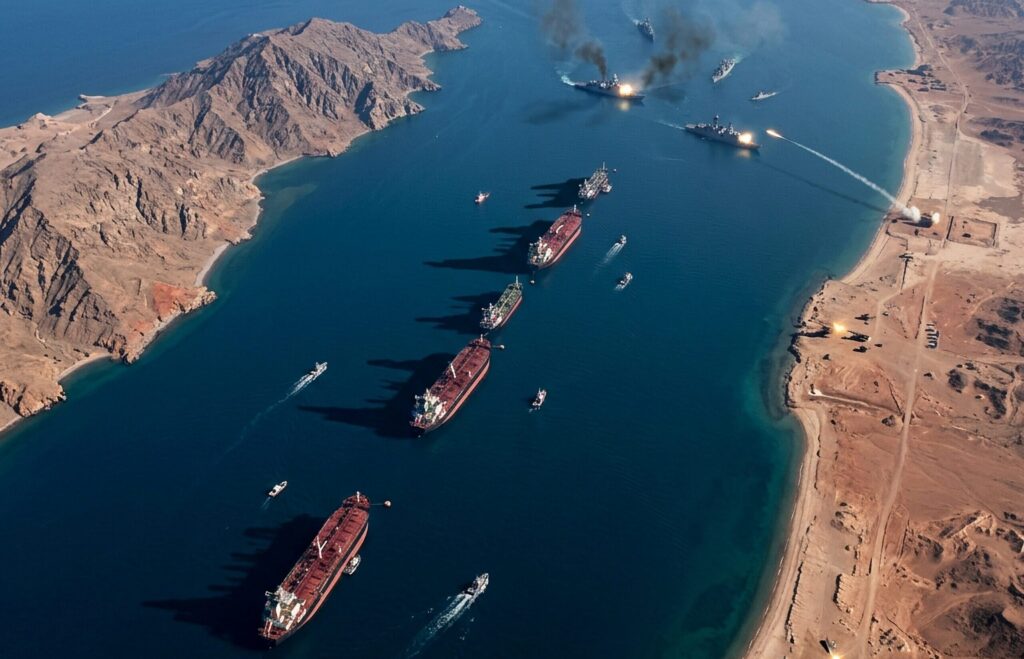
3+Meanwhile, direct military confrontation spilled into exchanges of fire over the weekend: U.S. Central Command confirmed that its forces hit three Iranian oil tankers, in response to ballistic missiles launched from Tehran at an American aircraft carrier and destroyer, which managed to evade without casualties. For its part, Iran announced it attacked tankers that deviated to an “unauthorized route.” Today Tehran added that it hit an unmanned American vessel moving toward the strait, a report flatly denied by the U.S. military and labeled false.
The current crisis is showing its sharp signs in international markets: Brent crude closed the weekend at $96.28 per barrel—a high not seen since July 24, compared to about $70 before the war broke out.
 3+
3+The pressure on Tehran is particularly heavy due to the American naval blockade imposed in mid-July. The blockade has crushed Iranian oil exports—one of the main sources of foreign currency income and a critical supply pipeline to China—from a pace of about two million barrels per day in March to a low of just 220–255 thousand barrels in August.
In addition, an ongoing battle over naval mining is unfolding in the strait. For about four months, U.S. special forces, alongside submarines and robotic drones, have been working to clear the waterways of some 80 mines that, according to the International Maritime Organization, were laid in the area in June. Although President Donald Trump declared last week that international waters have been cleared of mines, the question of shipping safety remains deeply disputed. Rezaei’s announcement of a shift from marking individual ships to closing an entire geographic area threatens to ignite an even broader and more sustained military confrontation in the heart of the Gulf.