


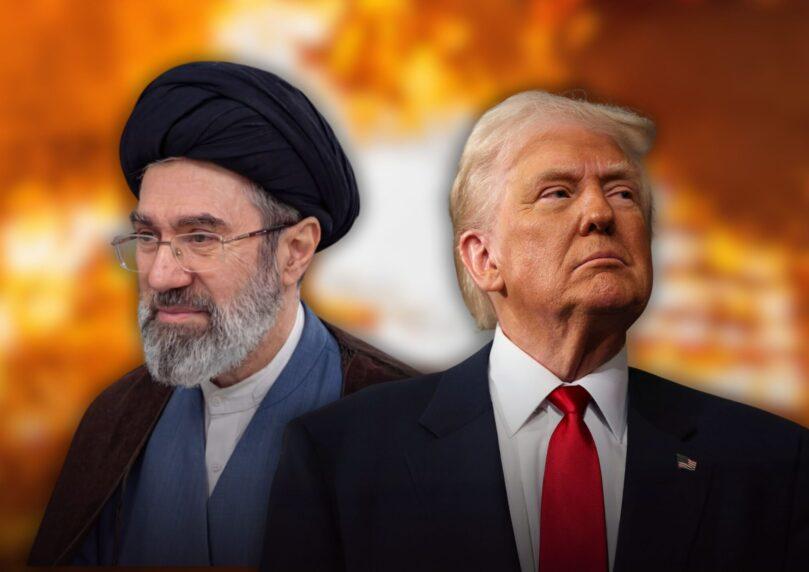

Iran fired missiles at U.S. forces stationed in Jordan overnight Monday, hours after the American military destroyed two missile launchers on Larak Island in the Strait of Hormuz. A U.S. source said nearly all incoming threats were intercepted and no significant casualties have been reported so far. Jordan’s military confirmed it intercepted eight missiles that entered the kingdom’s airspace.
ABD hava savunma sistemleri İran balistik füzelerine karşılık verdiği görüldü. https://t.co/361pCAWbtL pic.twitter.com/XQXToHUUpH
— Nirvana Haber | Son Dakika (@nirvanahabercom) August 31, 2026
The escalation began after U.S. forces struck two missile launchers on Larak Island. Captain Tim Hawkins, spokesman for U.S. Central Command, said Revolutionary Guard forces were observed preparing to launch rockets and deploy naval mines in the Strait of Hormuz. Last week, the U.S. completed an operation to clear mines from international shipping lanes in the area.
According to Trey Yingst, Fox News senior foreign correspondent, American intelligence identified an Iranian plan to fire rockets carrying naval mines into the strait, aiming to reposition the explosives after U.S. forces had cleared them. President Donald Trump said on August 25 that the U.S. Navy had informed him all mines were removed from the water, and warned that any vessel caught laying new ones would be destroyed immediately and systematically.

 5+
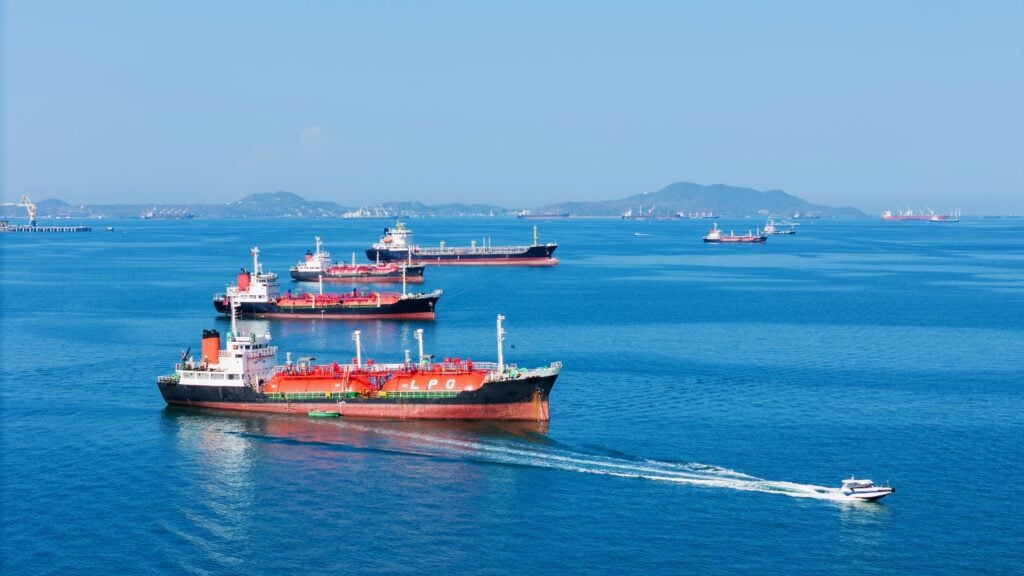
5+Following the Larak Island strike, Tehran’s response began. A U.S. source said forces stationed in Jordan have various air defense systems, including Patriot and THAAD. At this stage, nearly all incoming missiles were intercepted, and no significant casualties were recorded.
According to the report, the Iranian plan wasn’t limited to laying mines via vessels. American intelligence detected preparations to launch rockets designed to carry naval mines and reintroduce them into the Strait of Hormuz after U.S. forces had already completed clearing international shipping lanes. Based on this intelligence, American forces struck the launchers on Larak Island before the plan could be executed.
 5+
5+After the American action, Tehran also escalated its threats. Ebrahim Azizi, chairman of the National Security Committee in Iran’s parliament, warned that no action against his country would go unanswered. “Revenge is coming,” he wrote, ending the message in English: “JUST RUN!” He had earlier warned Washington to wait “in fear and terror.”
The confrontation around Larak Island is happening as American pressure tightens in the Strait of Hormuz. U.S. Central Command said that as of August 30, its forces had diverted 83 commercial vessels, disabled three, and boarded two others as part of enforcing the blockade on Iranian ports.
 5+
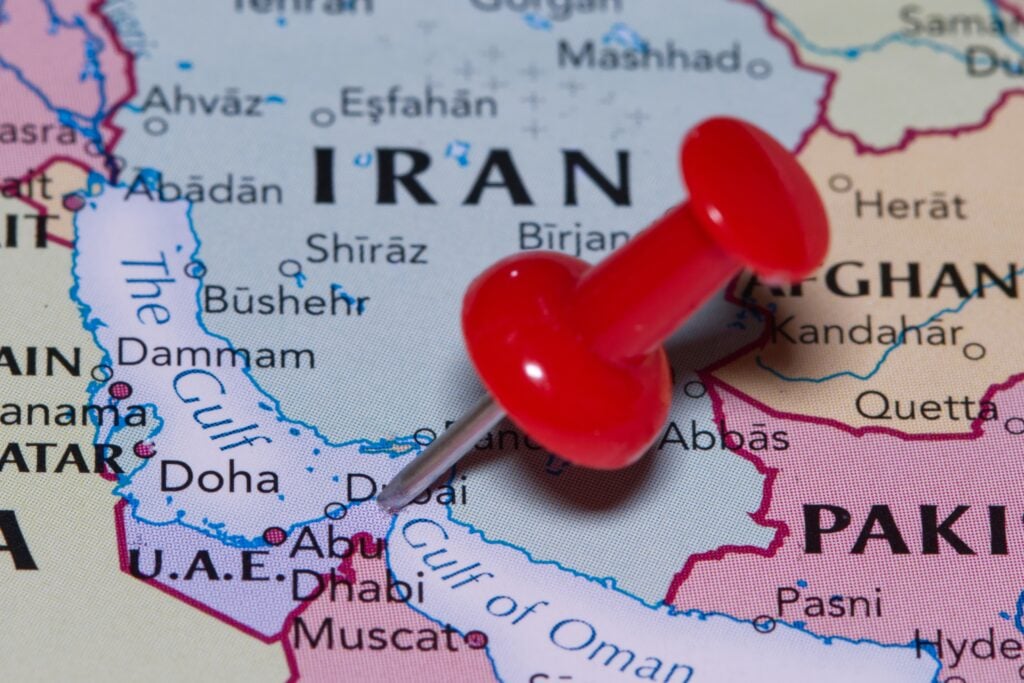
5+Alongside military moves, Washington plans to increase economic pressure. Treasury Secretary Scott Bessent said the administration plans to impose new sanctions against Iran every week, with the initial phase focusing on banks helping Tehran access the global financial system. He said the U.S. may even completely disconnect financial institutions from the dollar-based system.
Despite the blockade and American activity in the region, oil traffic through the strait continues at high volumes. According to TankerTrackers, oil exports that crossed the blockade line during the past week averaged 6.7 million barrels per day. The company said the figure is based on a combination of vessel tracking data and hundreds of satellite images daily.
 5+
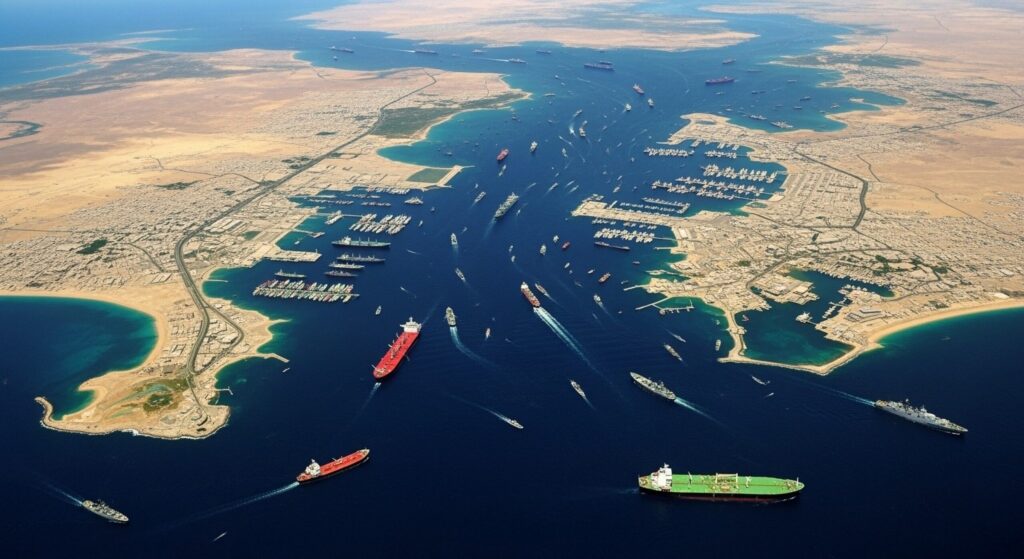
5+The Revolutionary Guards claimed responsibility and said they carried out combined ballistic missile and drone strikes on two American bases in Jordan. According to Iranian media reports, the targets were King Hussein Air Base and Al-Azraq Air Base. Tehran claimed technical and maintenance infrastructure were hit, as well as areas where fighter jets were stationed, and reported “heavy damage.” In contrast, a U.S. source said no significant casualties have been recorded so far.
Jordan’s military confirmed its defense systems intercepted eight missiles fired from Iran that entered the country’s airspace. The announcement came after U.S. Central Command confirmed the strike on the two launchers on Larak Island.
 5+
5+Earlier, Tehran had warned of retaliation for the American action. The Revolutionary Guards claimed several of their personnel and civilians were killed and wounded in the island incident, but didn’t provide an exact number of casualties. The organization said those responsible would be punished.
Meanwhile, U.S. Central Command rejected the Iranian claim that the action was an “act of aggression.” According to CENTCOM, forces took “limited and precise” action against Revolutionary Guard personnel engaged in mine-laying who posed an immediate threat to the Strait of Hormuz. The Americans said the move was intended to protect civilian vessels, commercial shipping, and freedom of navigation in the waterway.
 5+
5+The escalation in the region has already affected global energy markets. Oil prices rose more than 2% in early trading on Monday in Singapore, with Brent crude climbing 2.52% to $90.32 per barrel, while U.S. WTI crude rose 2.41% to $85.41 per barrel.