


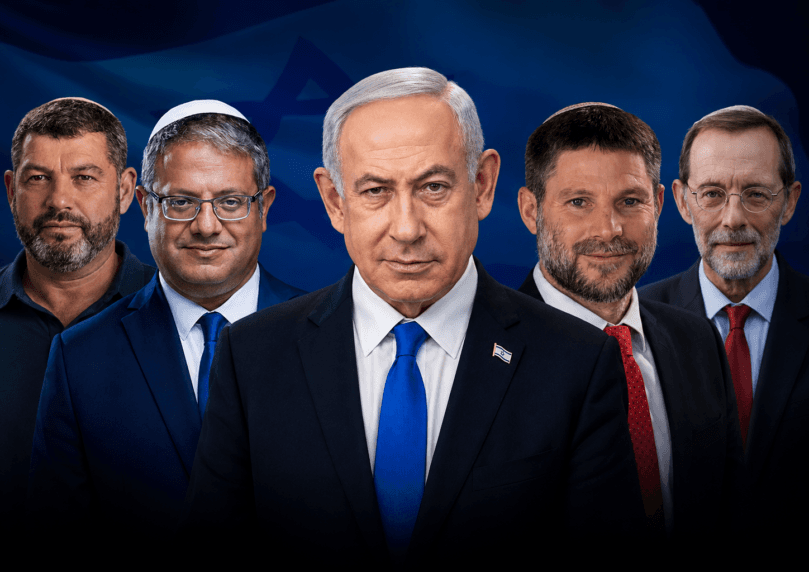

A week and a half before Israel’s Knesset candidate lists close, pressure is mounting across the right-wing bloc over the question of party mergers. Prime Minister Benjamin Netanyahu has been working in recent days to reduce the number of right-wing lists, but at this stage two key players—National Security Minister Itamar Ben-Gvir and Ofer Winter—are refusing to unite with other parties.
Netanyahu’s circle had hoped to shape the bloc around four right-wing lists, a move that would have enabled surplus vote-sharing agreements and reduced the risk that one or more lists would fail to cross the electoral threshold. But in practice, the political map on the right looks more fragmented, with a larger number of independent lists.
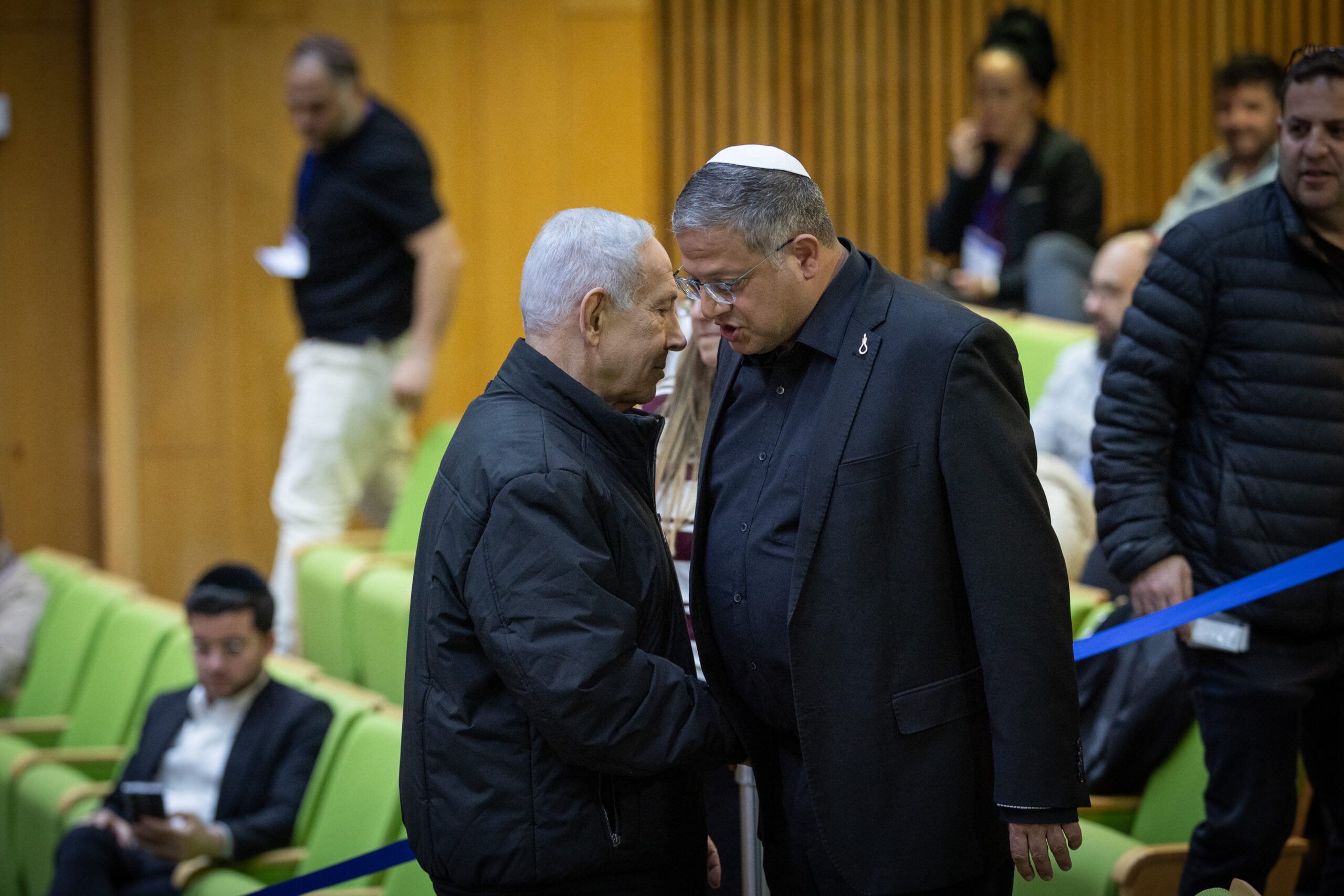
Otzma Yehudit party chairman and National Security Minister Itamar Ben-Gvir made clear to Netanyahu that his decision to run separately is final and not up for negotiation. In recent days, Netanyahu called on Ben-Gvir and Religious Zionism chairman Bezalel Smotrich to merge, and even announced plans to hold a three-way meeting—but Ben-Gvir refused to attend. According to sources close to him, no meeting was ever actually coordinated with him.

Meanwhile, Ofer Winter, who recently launched the “Amcha Yisrael” party, is also sending clear signals that he’s not interested in a political merger at this stage. His circle claims the party is designed to appeal to disillusioned right-wing voters who, they say, can’t find a political home in the existing parties.
According to assessments in the political system, the refusal of Ben-Gvir and Winter to merge presents Netanyahu with a double challenge: Ben-Gvir could grow stronger at Likud’s expense, while Winter is trying to build a new political force that also appeals to voters disappointed with the ruling party.
On the right, officials estimate that Otzma Yehudit’s strengthening won’t necessarily expand the bloc, but will mainly shift the balance of power within it. In such a scenario, a weaker Likud alongside stronger independent right-wing parties could make managing the bloc more complicated for Netanyahu.
Meanwhile, negotiations continue between Smotrich and Moshe Feiglin’s Zehut party. According to reports, contacts between the sides are advancing, with one option under consideration being Feiglin’s inclusion in a high spot on the merged list. However, even such a merger doesn’t necessarily solve Netanyahu’s main concern about too many right-wing lists.
Amid reports about the contacts, Ben-Gvir attacked the conduct surrounding the calls for unity and claimed it’s a move designed to apply political pressure rather than a genuine attempt at a merger. “It’s one thing to boycott events I attend and be embarrassed to be photographed with me, but is even the emotional call for unity just a cynical game?!” he wrote.
שבוע טוב אדוני ראש הממשלה,
נדהמתי מהדיווחים על כך שסמוטריץ׳ ופייגלין ניהלו בתיווכך מו״מ מתקדם לאיחוד, ורק כדי ״להלחיץ את פייגלין״, יצאתם אתה וסמוטריץ׳ בקריאה מבוימת לאחדות איתי, שכל תכליתה להנמיך את דרישות פייגלין.
מילא להחרים אירועים בהשתתפותי ולהתבייש להצטלם איתי, אבל גם…
— איתמר בן גביר (@itamarbengvir) August 29, 2026
Now, as the candidate list deadline approaches, Netanyahu’s room to maneuver is shrinking. If Ben-Gvir and Winter continue to insist on running independently, Netanyahu will need to find another solution to the bloc’s fragmentation—when even half a mandate lost could affect the balance between the blocs.