


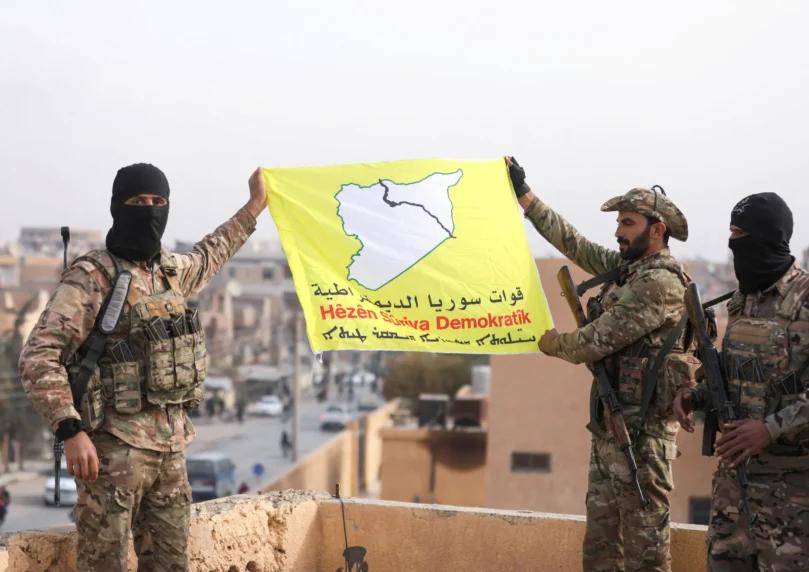

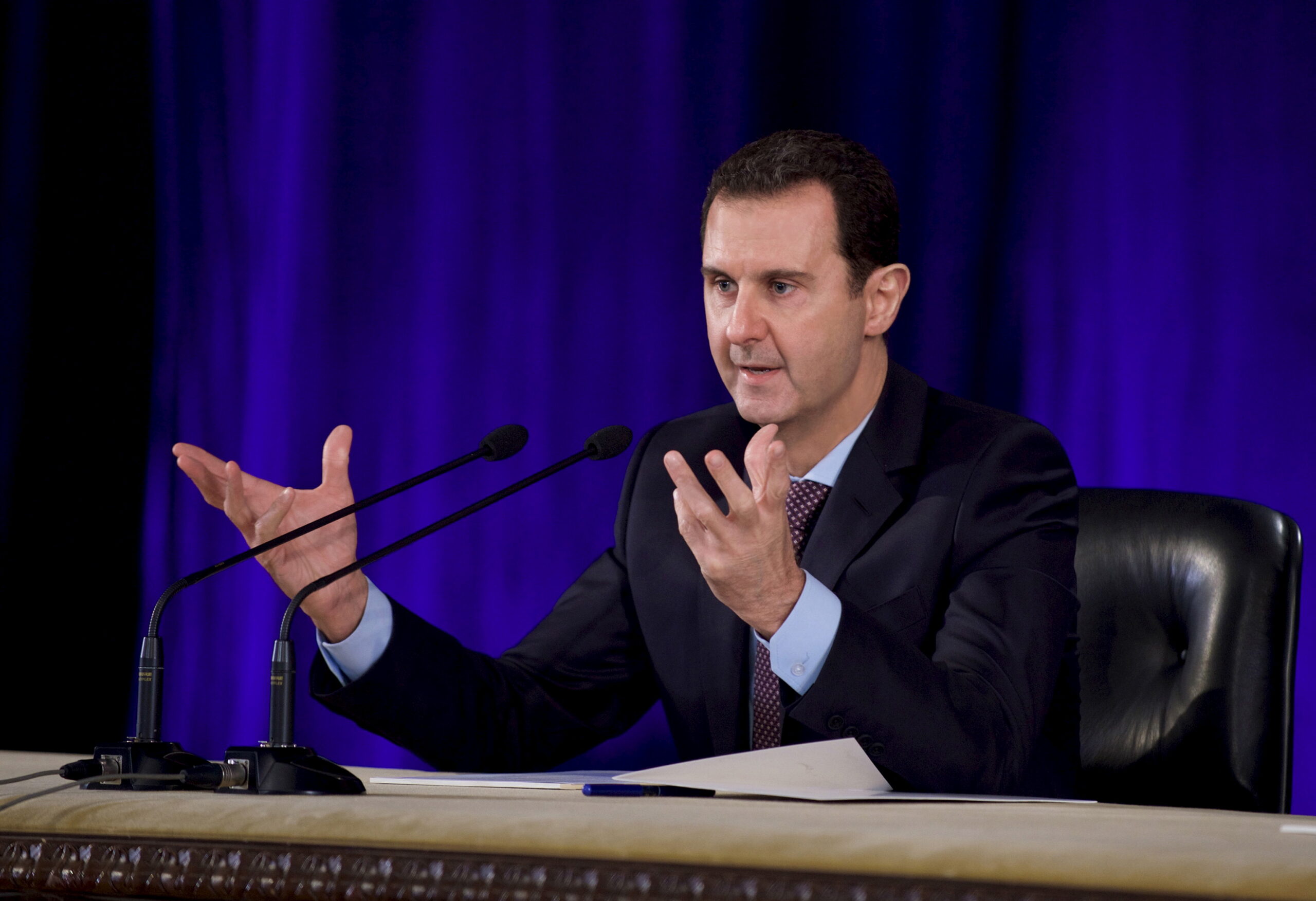
On August 25, 2026, Mazloum Abdi, commander-in-chief of the Syrian Democratic Forces (SDF), stood in the People’s Palace in Damascus and announced the end of the mission. The significance was clear: the Syrian Democratic Forces will cease to exist as an independent force, its soldiers will be integrated into the Syrian army, and its civilian institutions will be handed over to the state.
Suriye Cumhurbaşkanı Şara, Mazlum Abdi’yi Cumhurbaşkanlığı kararnamesiyle Cumhurbaşkanlığı danışmanı olarak atadı.
Abdi, 3 gün önce YPG/SDG’yi feshettiğini açıklamıştı. https://t.co/8fGcz5IA4K pic.twitter.com/ynlDTWGILH
— ibrahim Haskoloğlu (@haskologlu) August 27, 2026
It marks a new chapter in the history of Syria and its minorities. But behind it lies the end of a dream more than a decade old—and perhaps a century old: the dream of a Kurdish state in Syria. An independent local government will no longer be established. There will be no new borders, no Kurdish oil and no Kurdish flag—only the flag of the Syrian Arab Republic. It is important to remember that the Kurds are not Arabs, meaning the new state will not necessarily grant them their full rights. Their recognition will be as a non-Arab minority.
It all began in January 2026. After months of fruitless negotiations, the Syrian army launched a rapid campaign against the Kurdish presence in Syria, which had been left without American support. Under Turkish threats, the Kurdish leadership surrendered, and on January 29, an agreement was signed: a ceasefire, the gradual integration of the Kurdish militia into the Syrian army, and the transfer of border crossings and energy fields. Seven months later, that agreement is now being implemented.

 4+
4+The American Betrayal
The United States built the SDF in 2015 as its primary partner in the fight against ISIS. The central objective was to fight ISIS while establishing a secular, democratic and federal system in the Kurdish region. The Kurds fought ISIS and defeated it, sacrificing thousands of lives while remaining loyal to the West. Then everything changed.
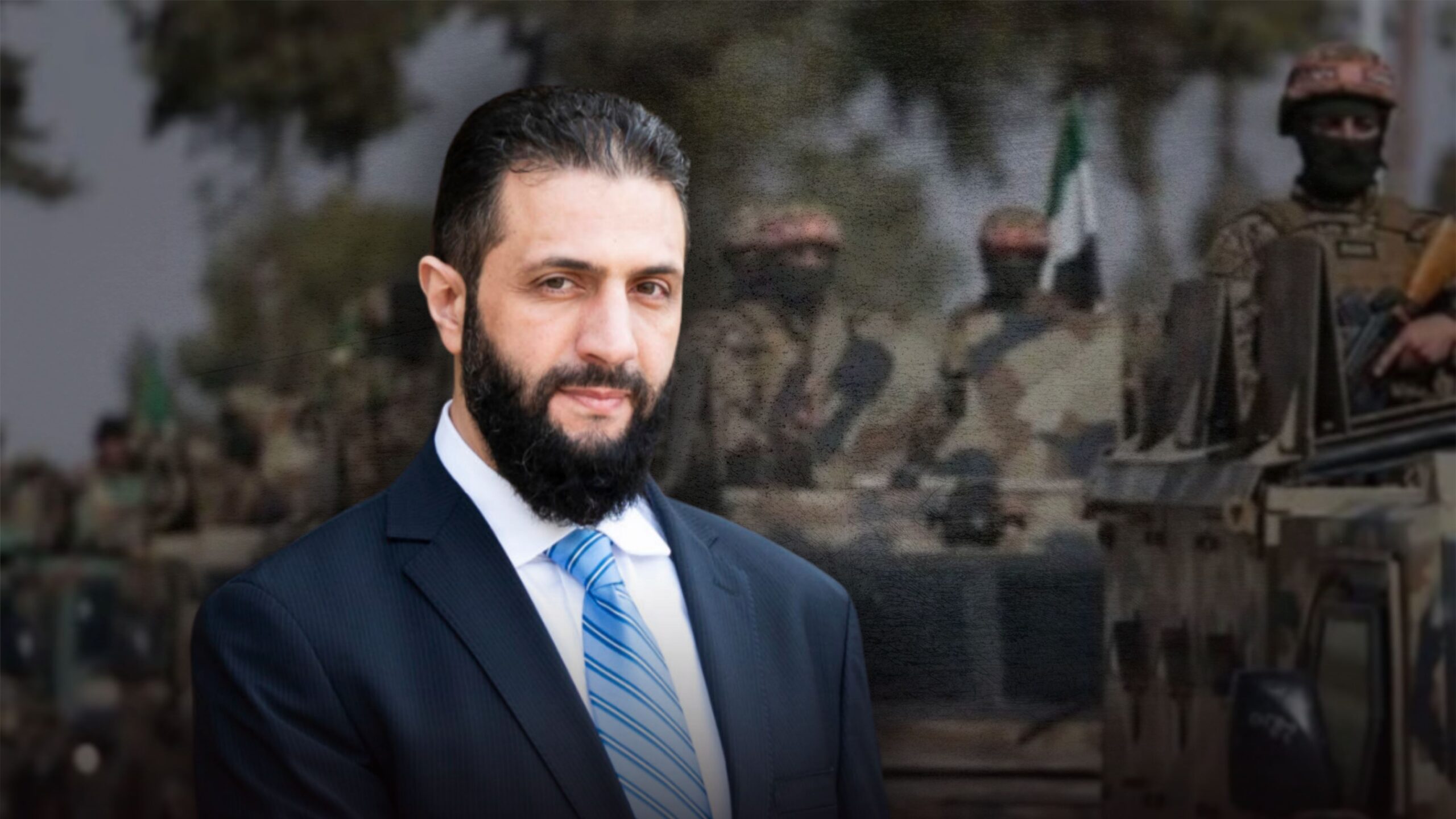
After the fall of Bashar al-Assad at the end of 2024, Washington shifted its policy. The United States transferred its support to Abu Mohammed al-Julani, pressured the Kurds to integrate into the Syrian state and did not prevent the Syrian offensive of January 2026, during which the SDF lost extensive territory. U.S. envoy Tom Barrack said the SDF’s role as the primary force fighting ISIS had come to an end and welcomed its dissolution and integration. In other words: The United States betrayed the Kurds and backed Turkey and Syria.
 4+
4+Supporters of the integration argue that there must be one Syria and one army, without independent militias. After more than a decade of war, the rise of ISIS and the disintegration of the Syrian state, they argue that a functioning country cannot be rebuilt if every group maintains its own private army. Even Abdi, the Kurdish commander, acknowledged this reality at the palace. He spoke of the enormous responsibility the Kurds had carried during Syria’s darkest years—and of circumstances that had now changed.
The U.S. Position
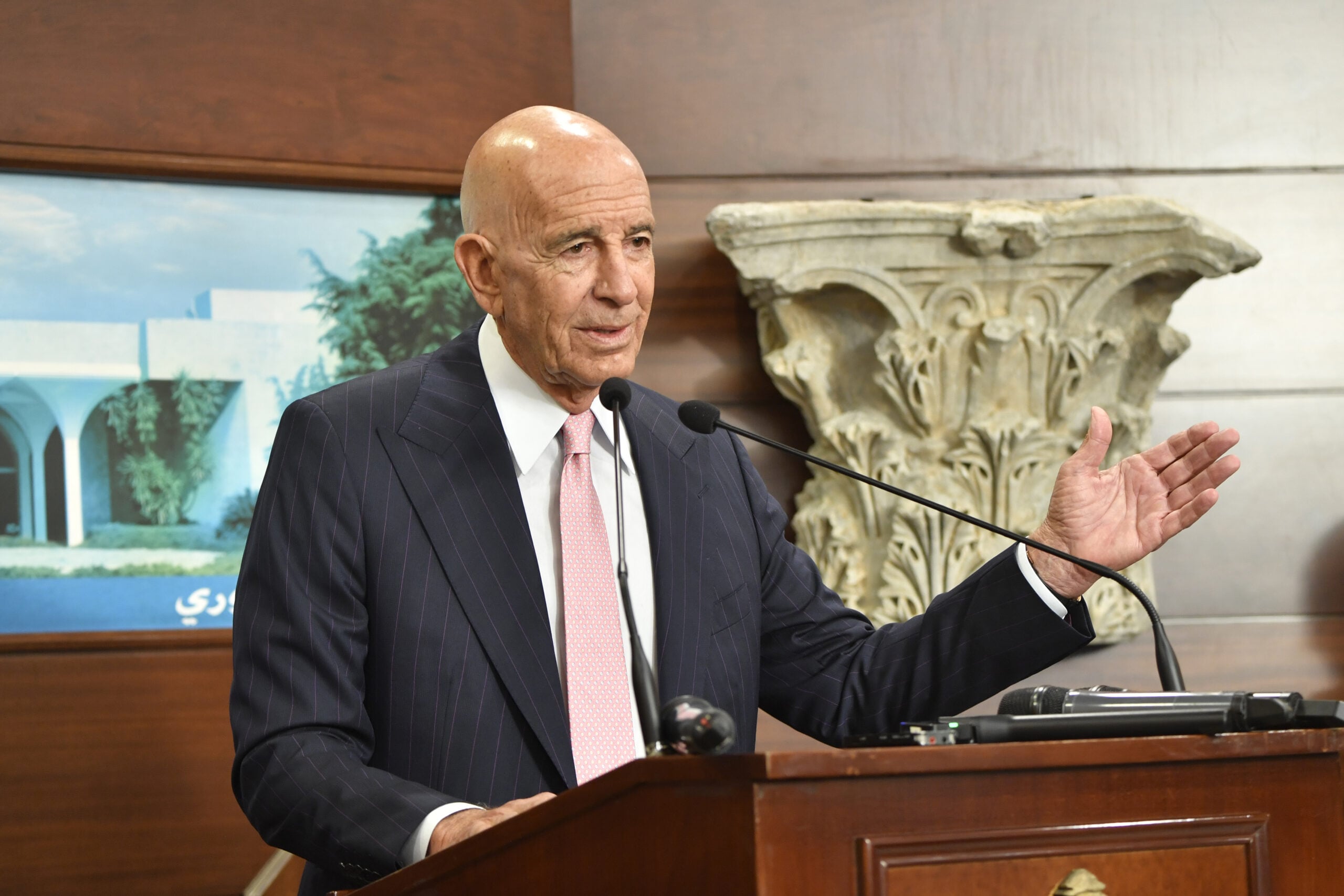
Washington presents the move as a success: one state, one army, end of sanctions on Syria, and promises of Kurdish rights (language, education, senior positions for Kurdish officials). Tom Barak said it’s “not winners and losers,” but partnership. The U.S. never promised a Kurdish state or permanent autonomy—and the partnership was mainly operational against ISIS. In other words: the U.S. exploited the Kurds and is now throwing them away.
 4+
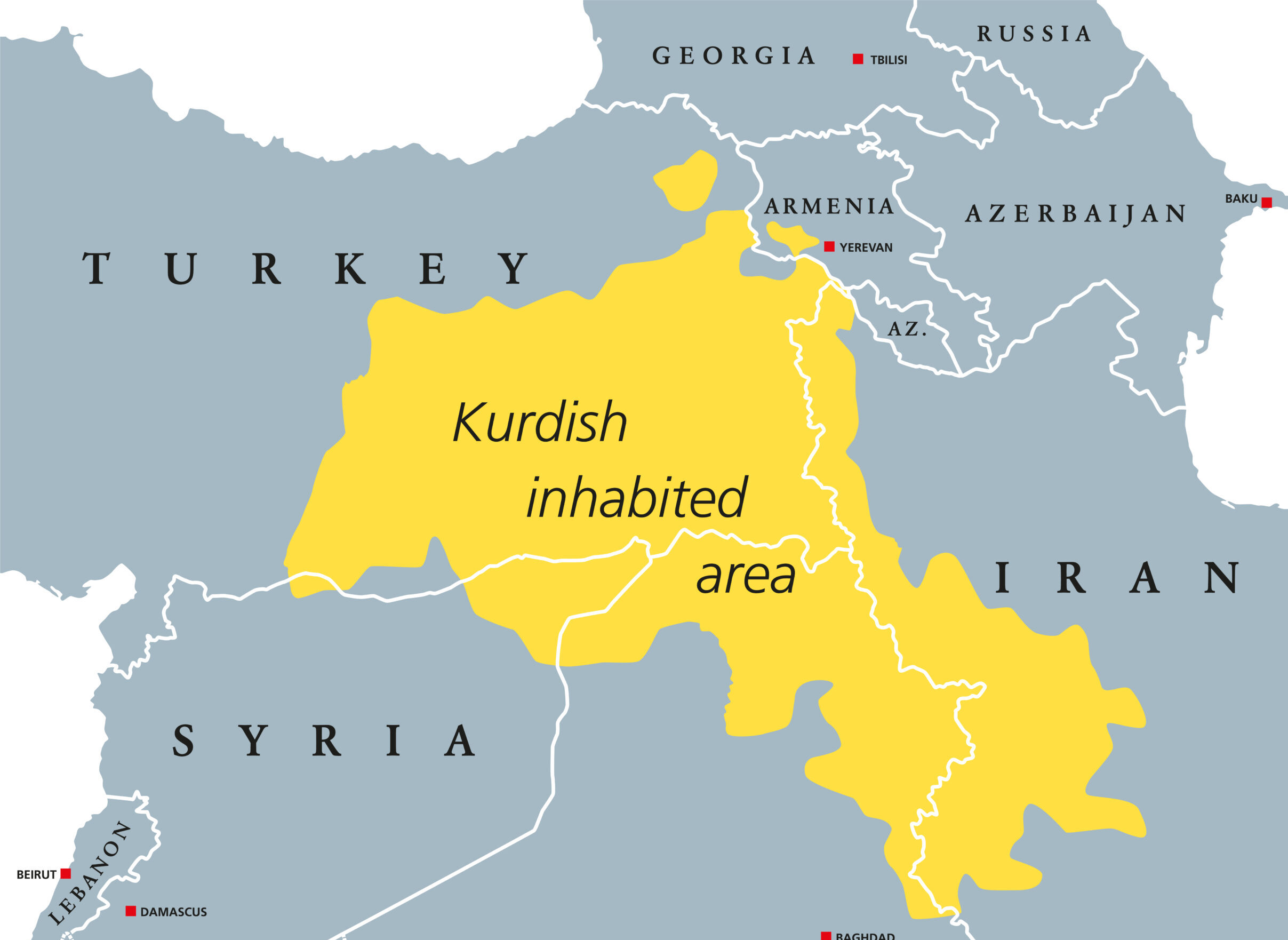
4+The Kurdish dream was never simple. That’s because there’s no single Kurdistan: there are Kurds in Turkey, Iraq, Iran, and Syria, and every time history opened a window for them—it closed it with another hand. In Iraq a fragile autonomy remains, in Turkey the struggle continues, in Syria, for a rare moment, something promising was born, and in Iran it’s a persecuted minority, most of whom are not loyal to the state.
What Do the Kurds Get?
The first thing the Kurds get is integration of Kurds as complete units and not as individuals—with their commanders also being Kurds. Second, it was agreed there would be no Syrian army in Kurdish cities. The agreement allowed limited entry of security forces from Damascus only to “security squares” in Hasakah and Qamishli for the purpose of coordinating integration. It was also agreed that forces would remain in Kurdish areas as brigades of the Syrian army, and would not be transferred to other areas. Its purpose: to continue protecting Kurdish areas.
 4+
4+In addition, it was agreed that: the Kurdish language would be the main language of instruction in the region (not just an elective subject), there would be recognition of Kurds as a native component and even anchoring of their rights in the constitution. The Kurds would also get their own candidates for senior positions: positions in the Defense Ministry and central institutions. And finally, local residents would continue to manage their local affairs within the united state (not full autonomy but partial).
Now Kurdish fighters are wearing the uniforms of another army. According to reports, ten to twelve thousand have already been integrated into Syrian army brigades in Hasakah, Qamishli, Derek, and Kobani. Damascus also offers cultural compensation: recognition of the Kurdish language, “Nowruz” (New Year) as an official holiday, citizenship for those from whom it was denied, a promise of education in Kurdish. These are not trivial things—under Assad they were a dream.
 4+
4+The Syrians and Turks Against the Kurds
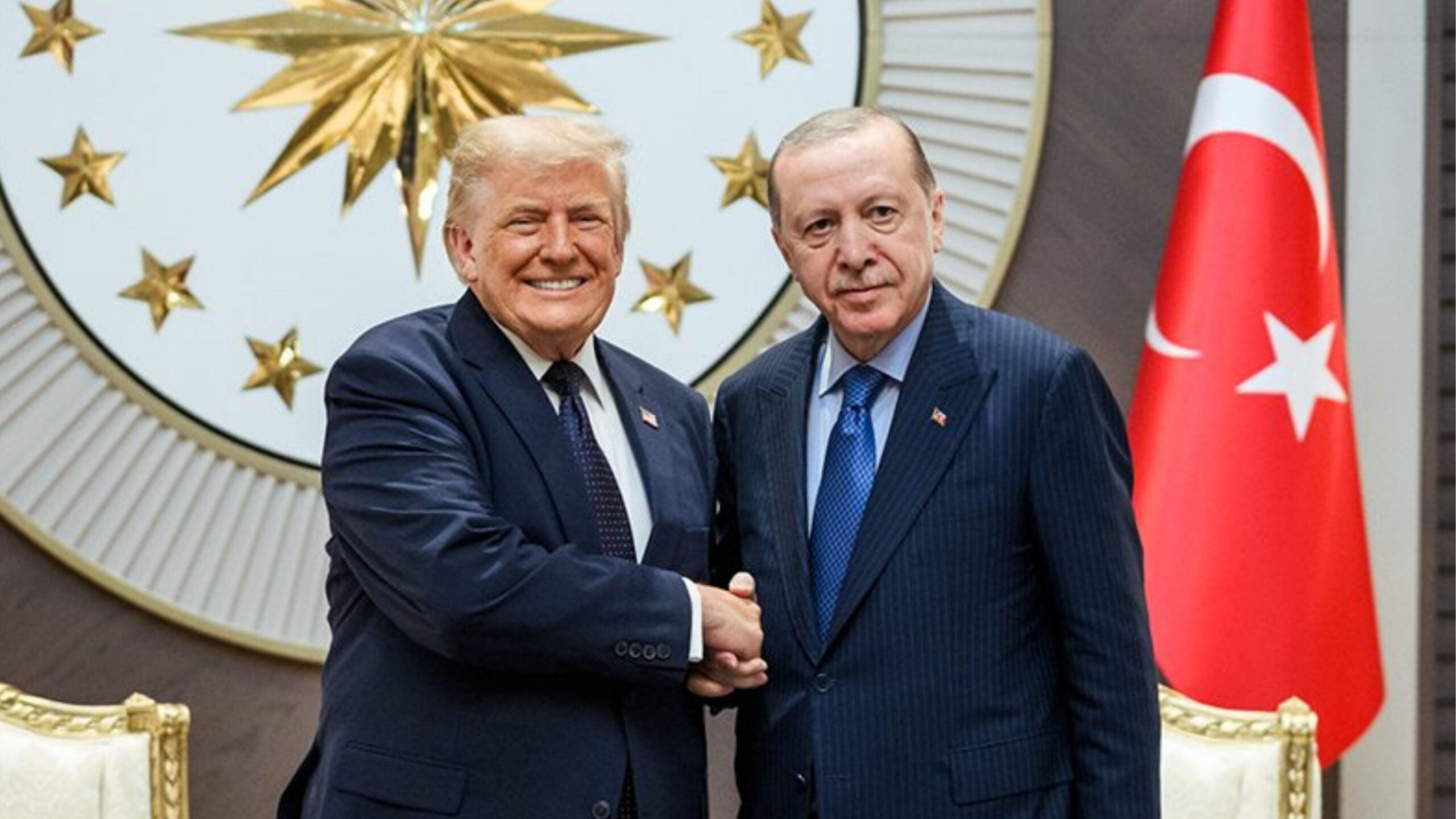
Al-Jolani wants a whole state under one sovereignty, Washington wants stability and talks about a “historic stage,” and Turkey simply doesn’t want a Kurdish entity to arise on its border. Everyone talks about unity—but only those who stood on the wall against ISIS for ten years have to give up their dream.
The Kurdish dream in Syria didn’t die in one day, it was eroded. Whether in the American withdrawal, in the January offensive, in the handover of oil, in the entry of Syrian interior forces into Kurdish cities, and finally in the speech at the palace. What remains is a struggle over clauses in a constitution—if there will even be one.