


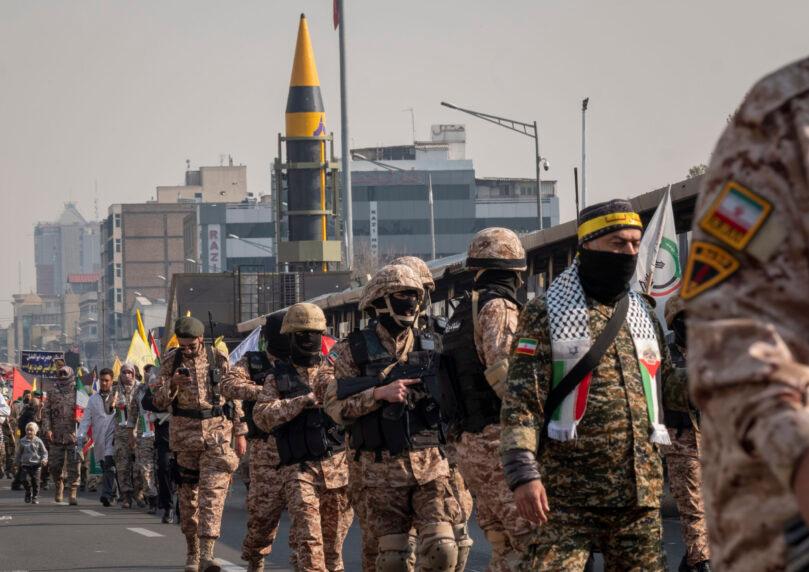

C14 exclusively revealed this evening (Wednesday) new details of the Iranian regime’s strategic plan to escalate pressure on the United States. According to information obtained by C14 from a source close to the Islamic Revolutionary Guard Corps (IRGC), Tehran has developed a two-stage plan marking a shift from a policy of absorbing attacks and remaining on the defensive—to going on the offensive. According to the source, the change in strategy comes as Tehran increasingly recognizes that the U.S. blockade is working and that President Donald Trump is in no hurry to reach an agreement.

 1+
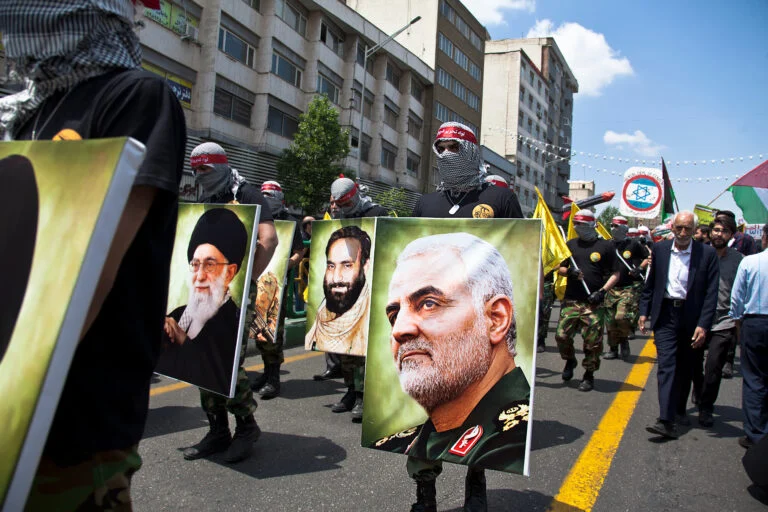
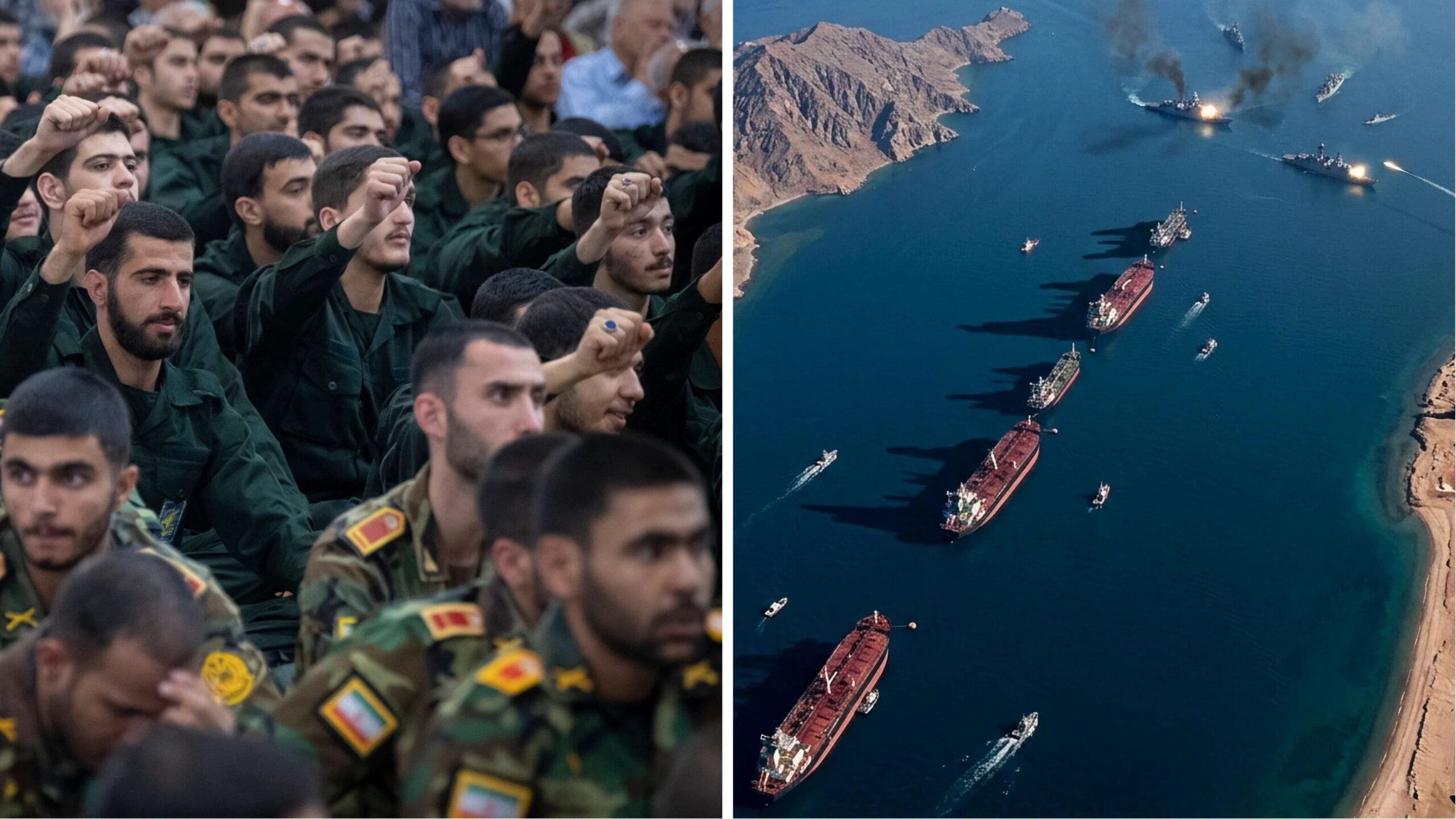
1+In the first stage, Iran plans to target energy and civilian infrastructure in Gulf states. The strategy is straightforward: If the blockade is hurting Iran, Tehran intends to make its neighbors pay a price as well. Iranian officials hope that damage to Gulf economies and disruptions to everyday life will push regional governments to pressure Trump into easing the blockade and changing course.
The second and considerably more dangerous stage would be activated if the first fails. According to the source, Iran would launch significant attacks against American military bases throughout the region—not merely as a warning, but with the intention of inflicting heavy damage and killing U.S. soldiers. As for American targets in Europe, the source said that any such attack would most likely be carried out by one of Iran’s proxy forces.
 1+
1+According to the information obtained by C14, the two-stage plan does not currently include attacks against Israel. However, Tehran understands that any major escalation against the United States and Gulf states could draw Israel into the conflict. Iranian officials are reportedly under no illusion that Israel would necessarily remain on the sidelines if the confrontation continues to expand. Meanwhile, Iran’s deteriorating domestic situation is playing an increasingly important role in the regime’s calculations.
Senior officials understand that inflation, cash shortages, damage to employment and growing public anger are accumulating—and could eventually pose a threat to the regime itself. That is precisely Tehran’s concern: an increasingly desperate population with less and less to lose could ultimately turn its anger inward.
Some within the regime therefore believe that escalating the confrontation with the United States could actually serve their interests. If Iran provokes an American response, Tehran could attempt to transform its economic crisis into a national war—redirecting public anger away from the regime and toward an external enemy.