



A senior Israeli official spoke with American network Fox News about strikes carried out by Israeli forces in Syria overnight Monday into Tuesday, saying the operation followed the receipt of sensitive and classified intelligence that was shared with the highest levels of the U.S. government before the strikes. The official added that the strikes made al-Julani understand that he would not be able to behave like the previous Syrian regime.
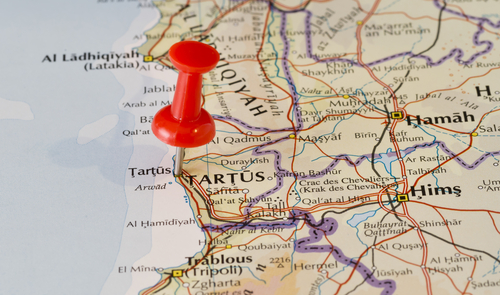
The Israeli strikes targeted the Tartus Governorate in northwestern Syria, along the Mediterranean coast. According to Arab media reports, the targets included a Syrian Air Force military base, with strikes directed at runways and storage facilities. U.S. Special Envoy for Syria and Lebanon Tom Barrack condemned the attack.
The timing of the Israeli strikes is particularly significant, coming just days after Russian President Vladimir Putin and al-Julani agreed on the return of a Russian military presence to Syria—specifically in Tartus, the same province targeted by Israel. The development represents a significant step for Putin that could reshape Russia’s military presence in the region.

Russia’s military presence in Syria declined significantly following the fall of Bashar al-Assad. The former Syrian president relied heavily on Putin’s military, while Russia’s war in Ukraine and Putin’s focus on his own battlefield have been cited as factors contributing to Assad’s eventual overthrow by rebel forces.
Al-Julani, however, did not hold Putin’s support for Assad against him and even traveled to Moscow to meet the Russian leader. The new Syrian leader asked Putin to extradite Assad, who is living in Moscow, but Putin refused. Since then, the two leaders have met several more times, including most recently in January, when they discussed military and economic matters.