


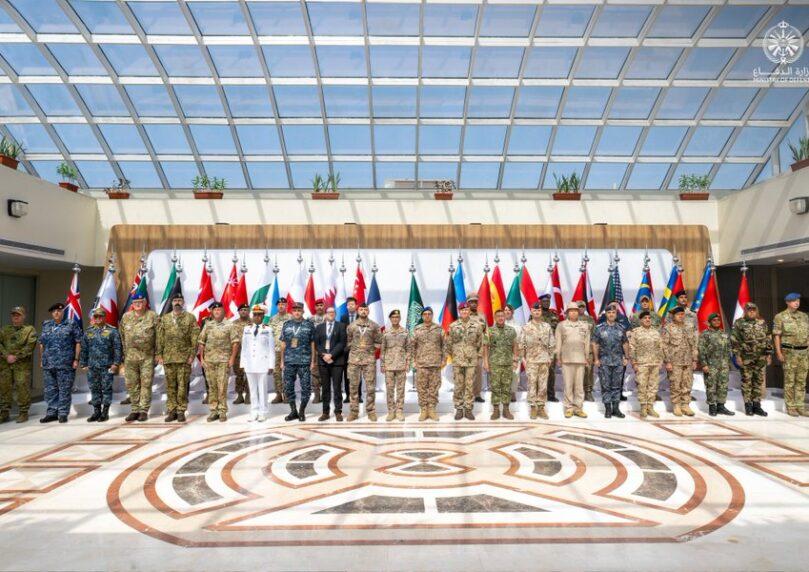

Saudi Arabia – Yesterday (Thursday), Saudi Arabia announced that 13 countries have formally joined a new multinational maritime defense alliance, marking what Riyadh described as its official launch. The Saudi Defense Ministry said in a statement on X that the alliance’s third planning meeting was held at its headquarters in Jeddah, with representatives from 39 countries participating.
جانب من اجتماع التخطيط الثالث للتحالف البحري الدفاعي متعدد الجنسيات، الذي عُقد في قيادة الأسطول الغربي بمدينة جدة، بمشاركة ممثّلين عن 39 دولة شقيقة وصديقة.#وزارة_الدفاع https://t.co/PYEzkKzt2m pic.twitter.com/1FQs6nozgQ
— وزارة الدفاع (@modgovksa) August 13, 2026
According to the statement, 15 countries signed the joint declaration, while another 13—whose names among the 39 participants were not specified—completed their national procedures, signed the alliance charter and formally announced their accession, marking the beginning of the alliance’s institutional and operational phase. The remaining countries are continuing to complete the national procedures required to join.
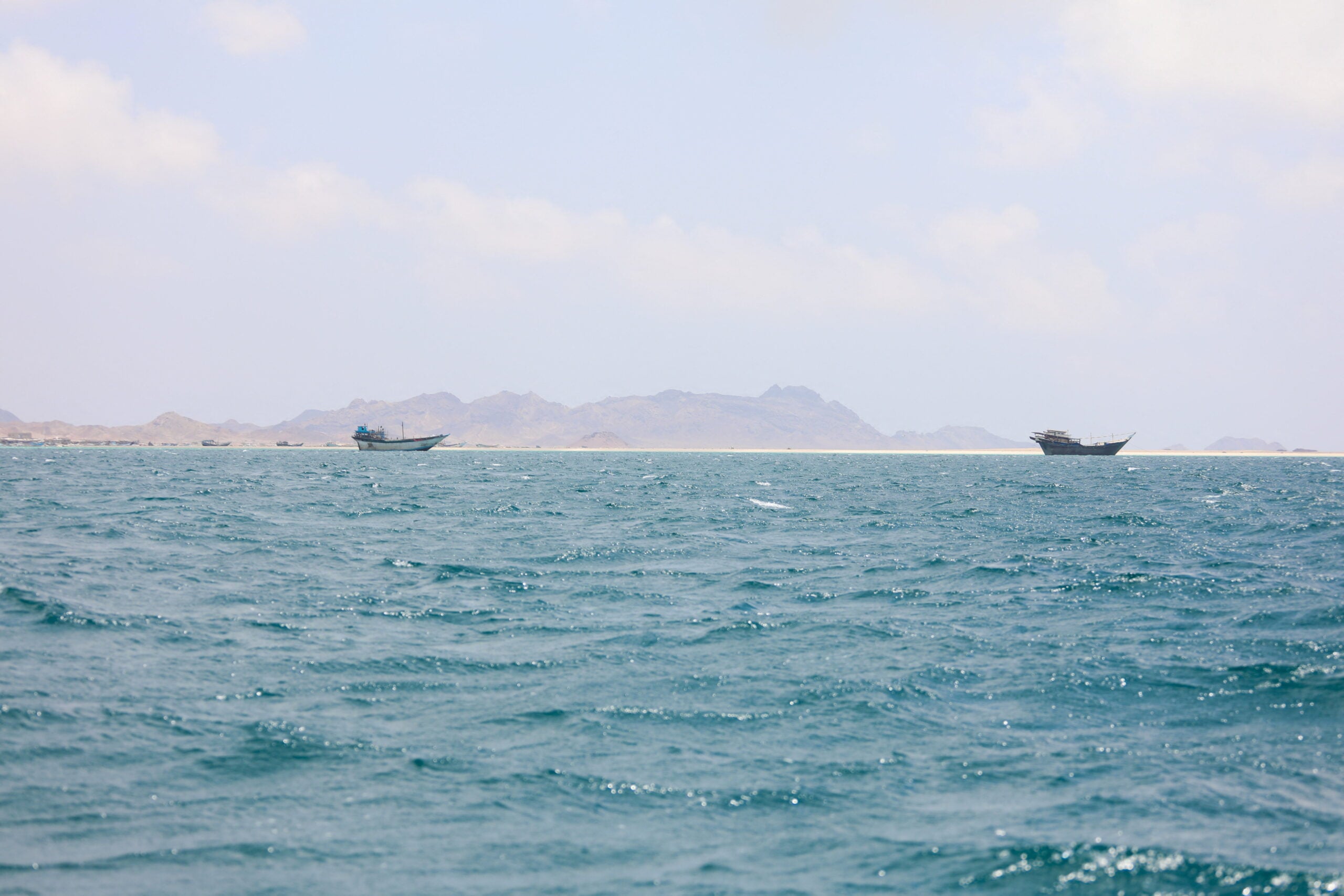
Saudi Arabia had already announced on July 30 that 14 countries had agreed to establish the multinational maritime defense alliance, aimed at protecting freedom of navigation around the Arabian Peninsula. The Saudi Defense Ministry described the alliance as an international defense initiative open to all countries that share its goals and principles. Riyadh says it will strengthen collective maritime security, safeguard freedom of navigation and global trade, and embody shared international responsibility in confronting common threats.

 2+
2+The alliance comes less than a week after Saudi Arabia signed another defense alliance—the Mecca Pact. Under that agreement, Saudi Arabia, Pakistan and Turkey established a collective defense framework under which an attack on the territory of one member is intended to be treated as an attack on all three.
So far, however, the alliance has already struggled to meet its first real-world test. Since the pact was signed, the Houthis have attacked an Aramco energy facility in southern Saudi Arabia. Neither Pakistan nor Turkey has responded to the attack by the Iran-backed terrorist organization.
 2+
2+Erdoğan has also given an extensive interview in Saudi Arabia containing several noteworthy statements about the pact. “There is no doubt that the escalating tensions between the United States and Iran pose a serious threat to developments taking place in the region,” he said. “However, it would be a mistake to reduce the ‘Mecca Joint Defense Pact’ to merely a circumstantial response to this escalation.”
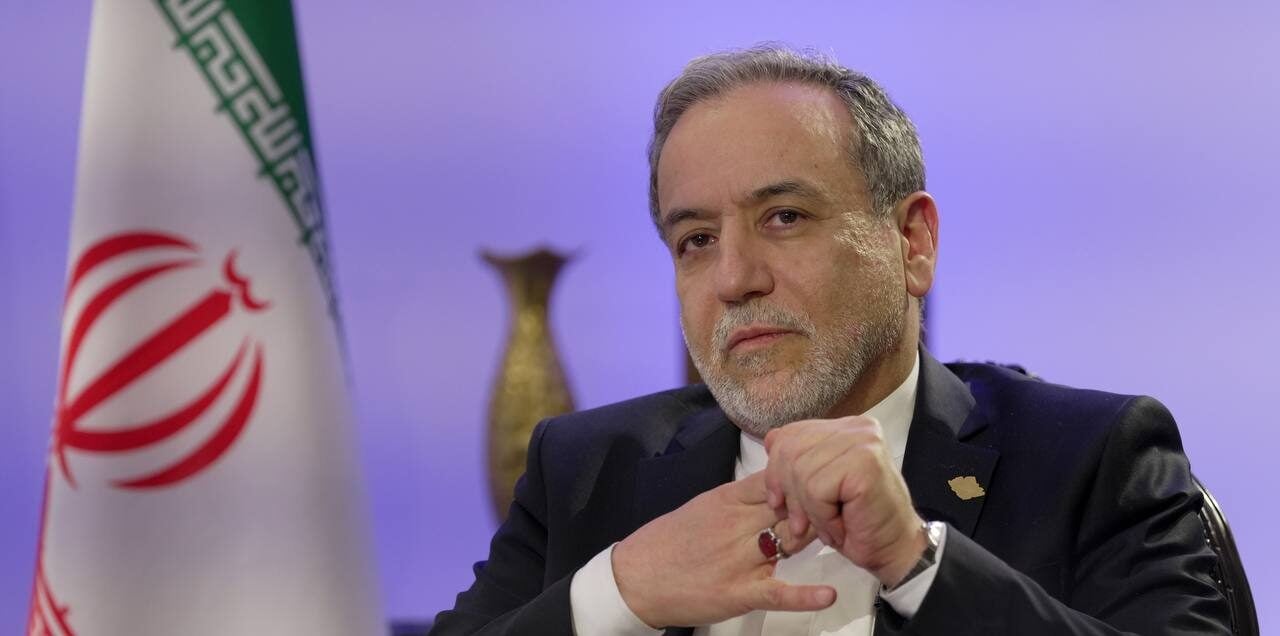
In other words, tensions involving Iran helped drive the agreement, but Erdoğan argues that its purpose extends beyond responding to potential Iranian actions. Pakistan’s foreign minister, however, sounded somewhat different. During a conversation this week with his Iranian counterpart, Abbas Araghchi, the Pakistani official stressed that the agreement with Saudi Arabia and Turkey is not offensive in nature and is not directed against Iran. He said the pact is intended to strengthen strategic cooperation and contribute to regional peace and security.
 2+
2+So while Saudi Arabia has already launched one “defense pact” whose members still appear divided over precisely what it means, Riyadh is already moving ahead with another—this time intended to help protect its maritime environment.
Now the question is whether the kingdom’s rapidly expanding network of alliances will finally translate into broad support when it is needed—or whether Saudi Arabia will once again find itself standing alone against terror.