


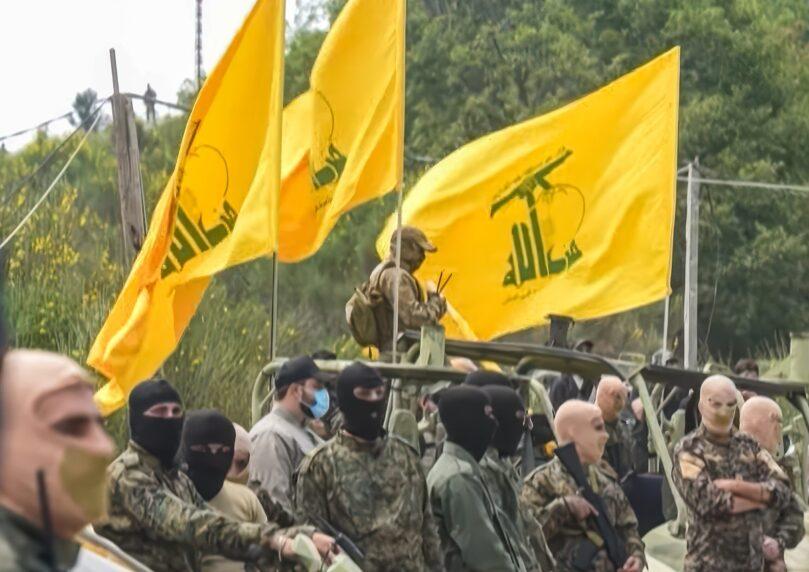

Israel and Lebanon have agreed on four countries that could take part in an international mechanism to oversee Hezbollah’s disarmament, Reuters reported today (Wednesday), citing sources familiar with the details.
The countries are Britain, Italy, Switzerland and Indonesia, which could provide personnel and even soldiers to oversee implementation of the disarmament process and participate in inspections verifying that areas of southern Lebanon are free of weapons. At the same time, Israel is demanding that inspections not be limited to public areas but extend into private homes in southern Lebanese villages—an issue already generating controversy.
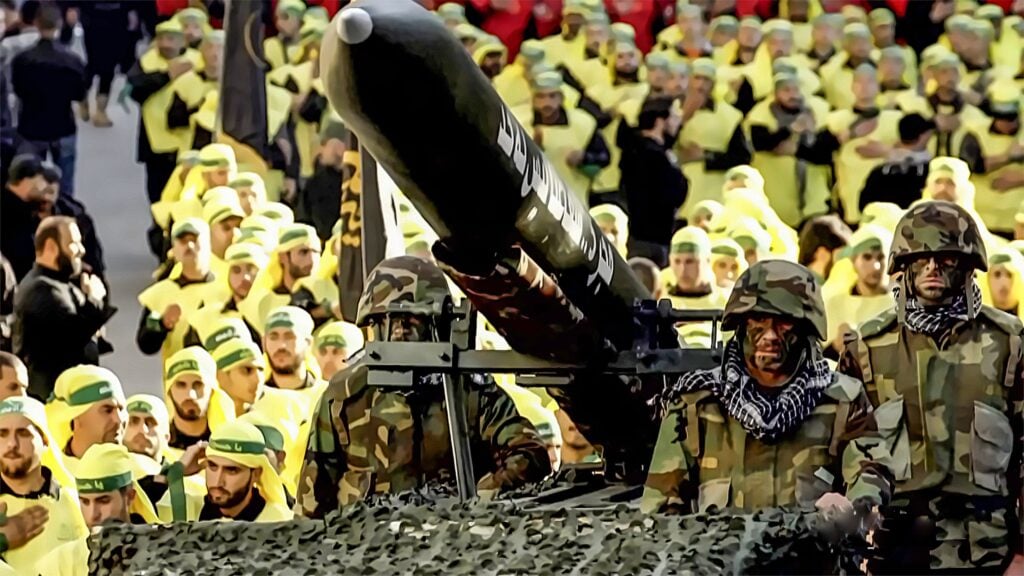
The list of countries was drawn up during U.S.-mediated talks between Israel and Lebanon held in Rome last week. According to three sources who spoke with Reuters, Britain, Italy, Switzerland and Indonesia could play different roles in the emerging mechanism. Options under consideration include helping define its scope and authority, sending personnel to oversee its implementation, and even deploying soldiers to observe or participate in inspections to verify that Hezbollah has indeed been disarmed.
A Lebanese official confirmed to Reuters on Friday that Israel and Lebanon had agreed on a list of countries that could potentially send soldiers to verify the disarmament process, but declined at the time to reveal their identities. According to the official, the United States will ultimately decide which countries on the list will participate.
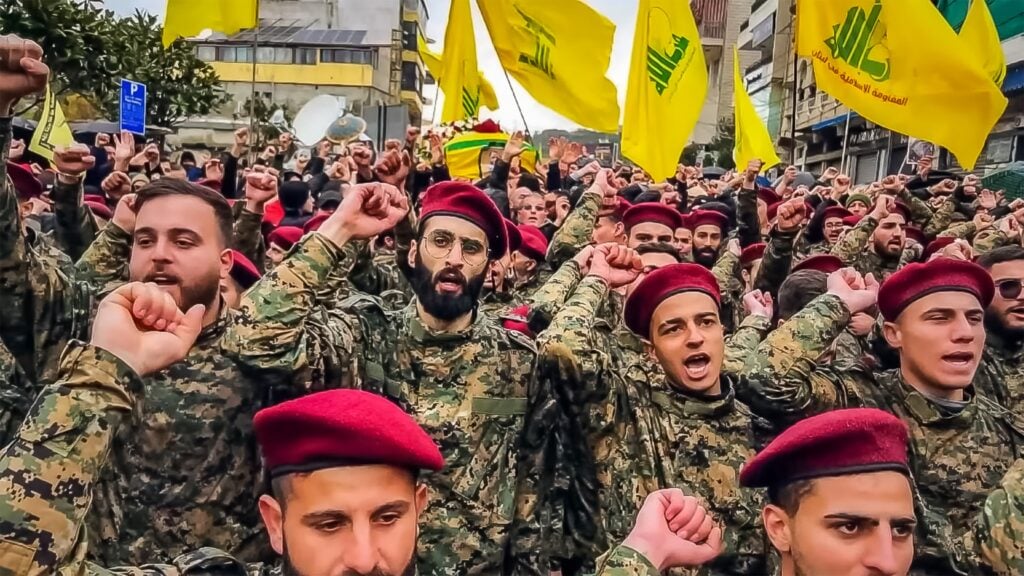
The four names under consideration have now been revealed for the first time. However, the initiative remains far from a final decision. A source with direct knowledge of the talks told Reuters that discussions concerning the candidate countries are still at an early stage, but said there is “cautious optimism” that the initiative will move forward.
Switzerland’s Foreign Ministry told Reuters that Switzerland is examining ways it could assist with “various stabilization processes,” but provided no further details. Britain has also not confirmed at this stage that it will send forces. A British Foreign Office spokesperson said Britain is prepared to support efforts toward de-escalation and long-term security, particularly in southern Lebanon.
The Israeli Prime Minister’s Office did not immediately respond to the report. Neither the Lebanese presidency nor Indonesia’s Foreign Ministry immediately responded to Reuters’ requests for comment.
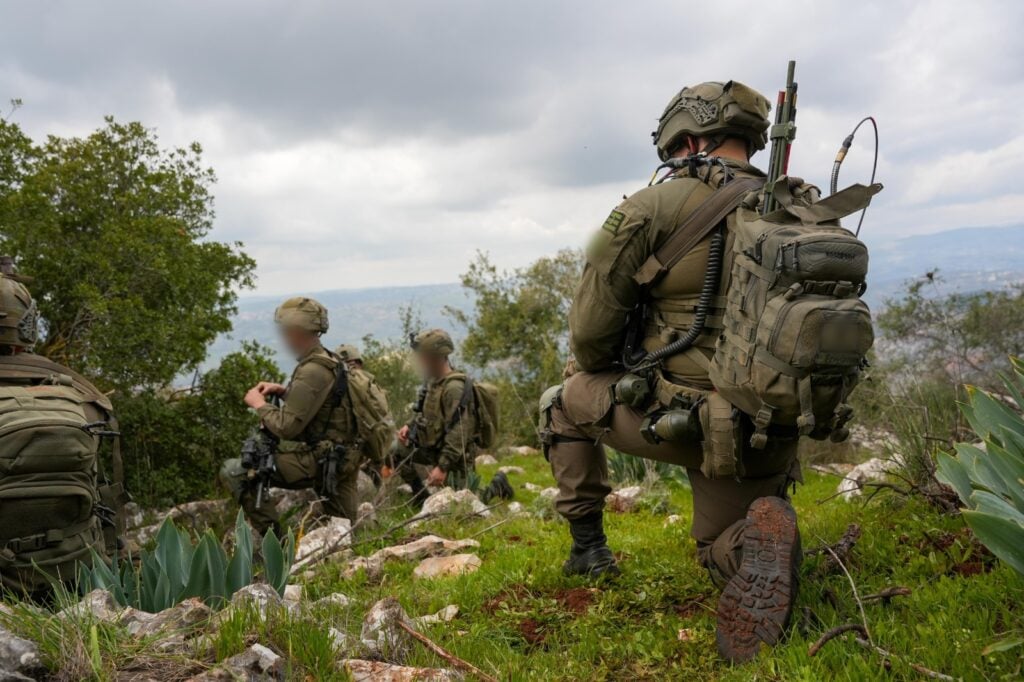
One of the most sensitive issues being discussed as part of the emerging mechanism is how to verify in practice that Hezbollah has actually been disarmed.
The IDF currently holds an area Israel defines as a security zone extending approximately six miles into southern Lebanon. Israel has made clear that it will not unilaterally withdraw from the area as long as Hezbollah remains armed. According to two sources, under the proposed mechanism, villages in southern Lebanon would undergo inspections to verify that they are free of weapons.
Israel, however, is demanding that those inspections extend into private homes. The Lebanese Armed Forces have resisted pressure over the past year to conduct searches of private properties, fearing such searches could trigger tensions in southern Lebanon and with Hezbollah. Lebanese security officials said the army would require a warrant for every home searched.
Even if a foreign force is ultimately deployed, the question of its authority remains unresolved. A foreign security official said negotiators will need to determine how private properties will be handled—particularly who will be authorized to conduct searches and how they will be carried out. At the same time, the freedom of movement granted to foreign forces deployed in Lebanon will have to be precisely defined.
In other words, simply sending soldiers would not be enough. If their mission is to verify that Hezbollah is not hiding weapons in villages and buildings, they will need an operational framework that actually allows them to carry out that mission. For Lebanon, however, expanding search authorities—particularly into private homes—remains one of the most sensitive issues under discussion.
The legal basis for deploying the forces has also not yet been determined. According to the sources, an agreement will be needed on an official mandate for the presence of foreign soldiers in Lebanon.
The scenario currently considered most likely is that the Lebanese government would formally invite foreign forces into the country as part of a mechanism also approved by Israel. The identity of the body that would oversee the mechanism also remains unresolved.
According to the sources, the United States and Israel are not expected to agree to United Nations involvement, while European countries could, for their part, object to placing the operation under President Donald Trump’s Board of Peace.
The new mechanism stems from the U.S.-brokered agreement reached between Israel and Lebanon in late June. Under the agreement, two processes were directly linked: Hezbollah’s disarmament on one side and Israel’s gradual withdrawal from southern Lebanon on the other.
The agreement was reached following the latest round of fighting between Israel and Hezbollah, which resumed in March following the U.S.-Israeli war against Iran and Hezbollah’s attack on Israel. Under the agreed framework, the Lebanese Armed Forces are expected to work to disarm armed organizations and deploy throughout southern Lebanon, while Israel is expected to gradually withdraw from the areas it currently holds.
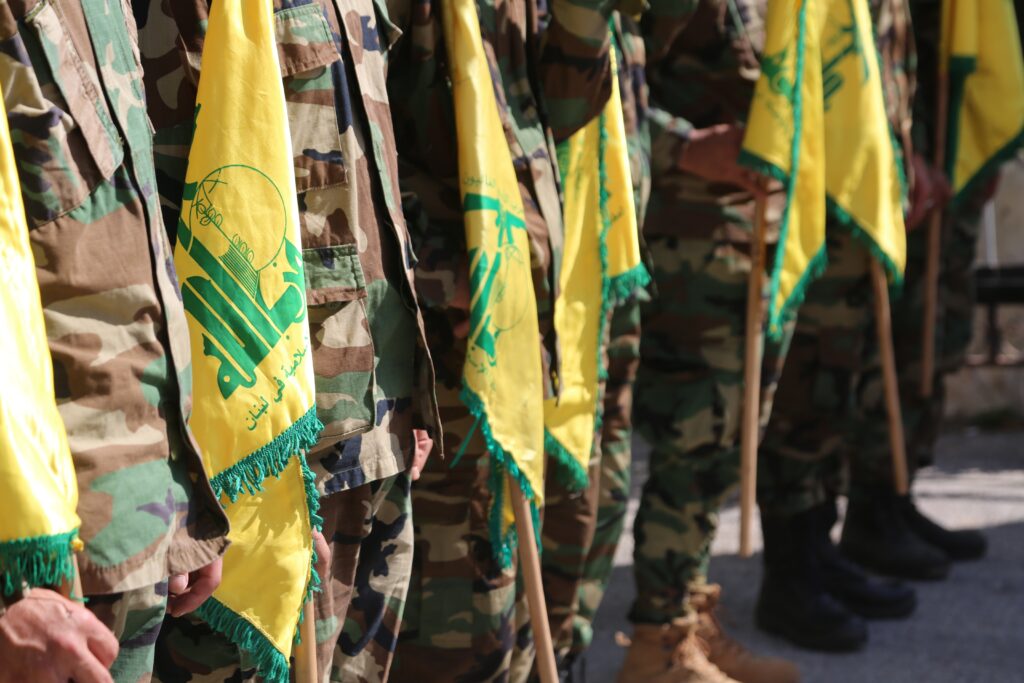
Hezbollah itself, however, is not a party to the agreement and rejects the demand that it disarm. The terrorist organization has previously characterized the agreement between Israel and Lebanon as a capitulation to Israel.
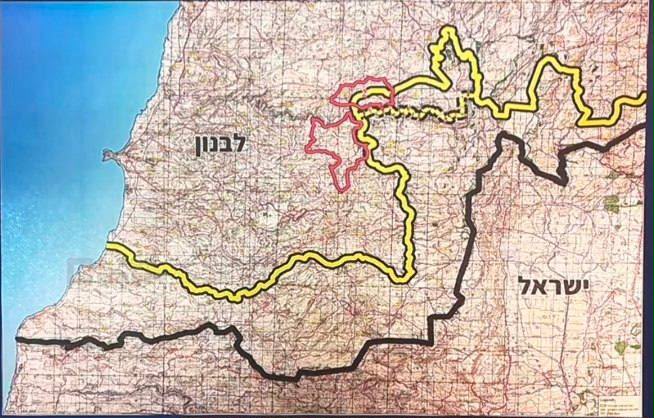

Since the agreement, rounds of U.S.-mediated talks have sought to transform those principles into practical measures on the ground. Talks held in Rome in July focused, among other issues, on creating “pilot zones” in southern Lebanon. In those areas, weapons are supposed to be removed, the Lebanese Armed Forces deployed and, subsequently, an Israeli withdrawal carried out.
Yet implementation has already encountered difficulties. The first attempt at a pilot zone in southern Lebanon demonstrated the operational and political complexity of disarming Hezbollah, in part because of the terrorist organization’s refusal to surrender its weapons and fears of an internal confrontation in Lebanon.
During the latest round of talks in Rome, agreement was reached on the list of countries that could help resolve one of the central problems: who will verify that Hezbollah has actually been disarmed before Israel withdraws.
Agreement on Britain, Italy, Switzerland and Indonesia does not mean soldiers from all four countries will ultimately be sent to Lebanon. At this stage, they remain candidates, and the United States is expected to determine which of them will participate in the mechanism.
The size of any force, its authority and the legal framework governing its presence have also yet to be determined.
But the creation of the list marks progress toward resolving one of the agreement’s central points of contention: Israel is not prepared to withdraw based on promises alone and is demanding verification that Hezbollah has actually been disarmed.