


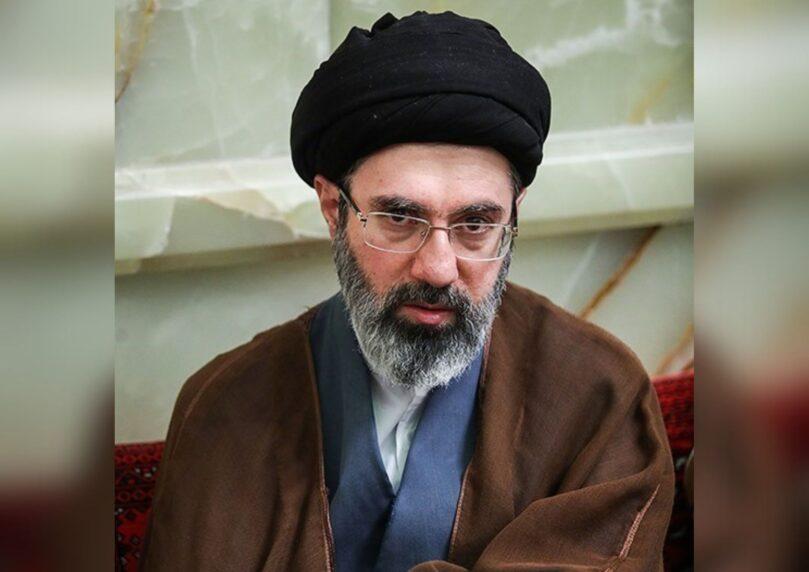

C14 reported today (Tuesday) evening on major changes at the top of Iran’s ayatollah regime. Despite growing rumors surrounding his serious physical condition, Tehran claims Supreme Leader Mojtaba Khamenei appointed senior officials to the regime’s security leadership Monday. The appointments are raising questions about their implications—and whether, and to what extent, the shakeup makes Iran more dangerous.
Mojtaba Khamenei selected six senior regime officials who, at least according to Tehran, are expected to lead Iran’s next war. In the same breath, he may also have selected the next candidates for elimination—men who could find themselves in hell sooner than expected.
Ahmad Vahidi is now Commander of the IRGC. He is wanted by Argentina over his alleged role in planning the 1994 AMIA Jewish community center bombing in Buenos Aires, which killed 85 people, and remains the subject of an Interpol Red Notice. His elevation places one of Iran’s most experienced and notorious military figures at the very top of the regime’s armed power structure.

 3+
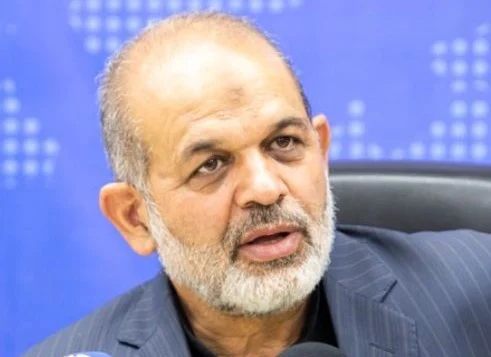
3+Mostafa Izadi was appointed Vahidi’s deputy. A longtime senior figure in Iran’s military establishment, he recently oversaw cyber and modern-threat operations, bringing decades of experience spanning conventional warfare and military technology. His elevation into Iran’s new command structure puts an experienced regime insider near the center of Tehran’s preparations for prolonged confrontation.
Ali Abdollahi is now chief of staff of Iran’s Armed Forces, placing him at the center of Tehran’s preparations for future conflict. A veteran Iranian major general, he was Iran’s top operational command responsible for coordinating the IRGC and regular army, has overseen military planning and wartime operations and has repeatedly threatened a “swift, severe and decisive” response to Israel and the United States.
 3+
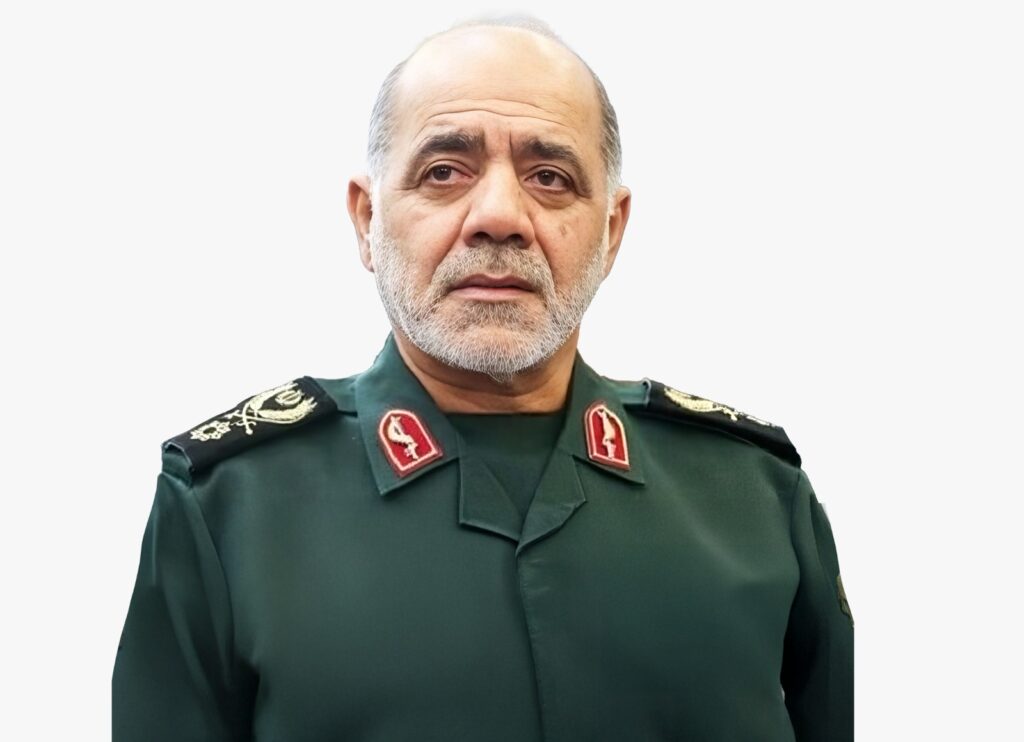
3+Hossein Taeb was appointed commander of the Basij—the force responsible for killing approximately 50,000 Iranian civilians in the streets over the past year. Taeb is one of the regime’s most powerful figures, the former head of the IRGC Intelligence Organization and Mojtaba Khamenei’s right-hand man.
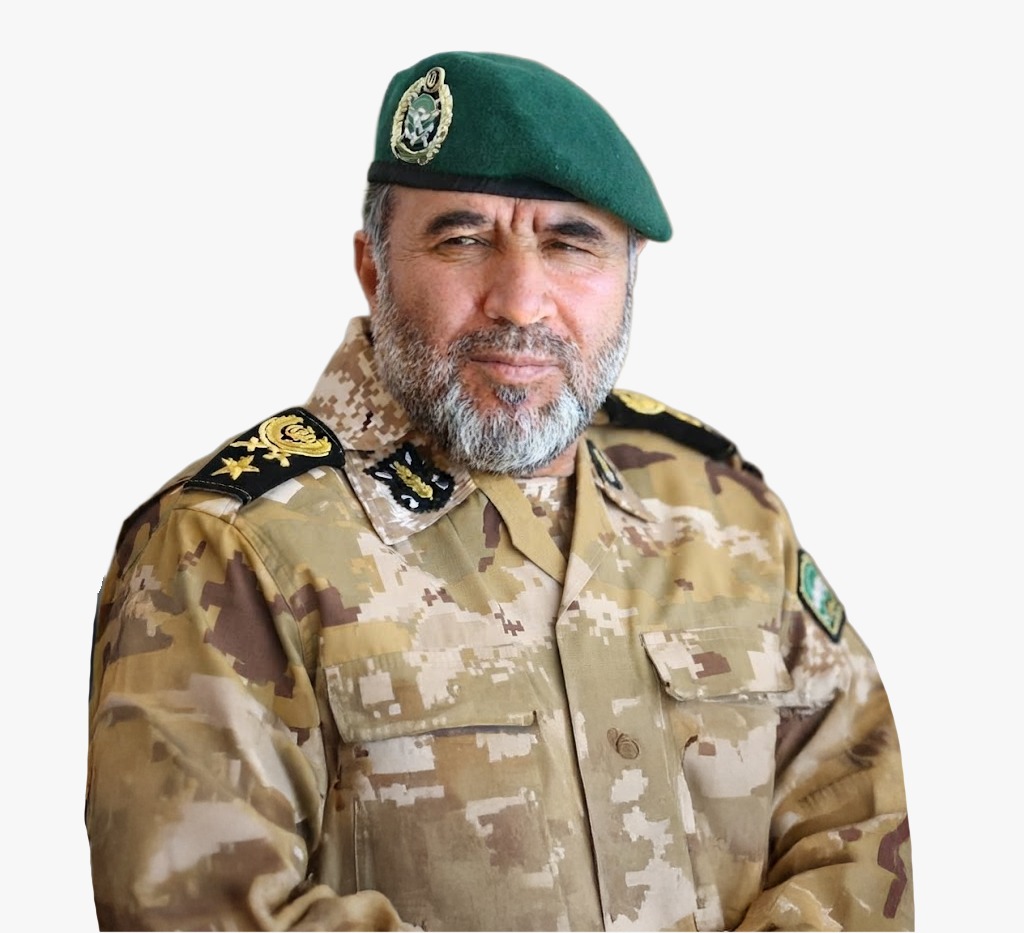
Kioumars Heydari was appointed deputy to Chief of Staff. A longtime hardliner, he survived a reported Israeli assassination attempt in June 2025 and subsequently moved into Iran’s senior wartime command structure. He has publicly threatened Israel—including warning that Iran could “flatten Tel Aviv and Haifa”—and was sanctioned by the U.S., EU and UK over his role in the violent repression of Iranian protesters.
 3+
3+Ali Azmaei now leads the IRGC Navy. He spent more than a decade operating in the strategically critical Persian Gulf and Strait of Hormuz, and has been under U.S. sanctions since 2019. Upon emerging as naval chief, Azmaei warned that Iran’s “divine revenge” against Israel and the United States was “not far away.”
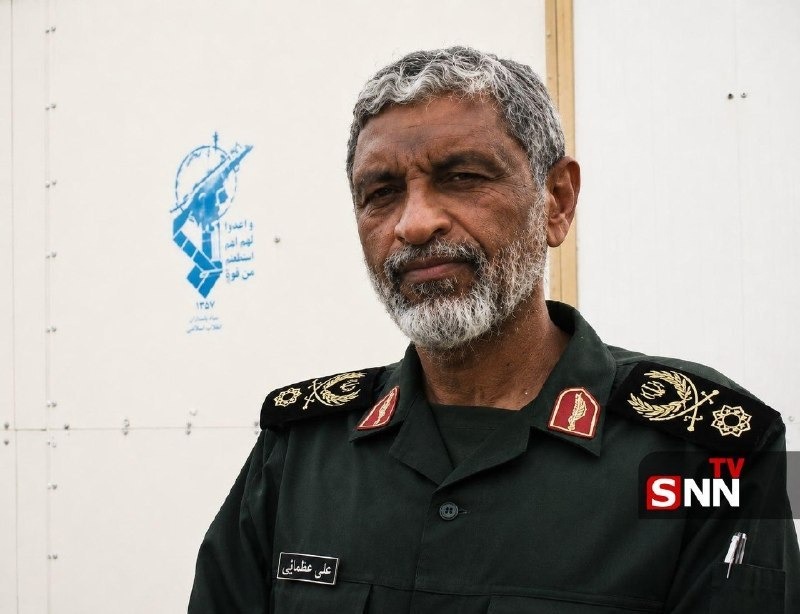 3+
3+Notably, Mojtaba is not appointing moderates. He is choosing some of the regime’s most extreme figures—men expected to remain fiercely loyal to him. The appointments point toward an increasingly hardline leadership surrounding Khamenei, assuming he is indeed functioning amid the growing questions over his health.
Mojtaba’s message is clear: Iran is not backing down. Instead, the regime is escalating its posture toward its foremost enemies—the United States and Israel. Whether these appointments strengthen Iran for its next confrontation or merely give Washington and Jerusalem a clearer picture of who will be sitting atop the regime’s military command when it comes remains to be seen.
Iran’s most ruthless men are rising through the ranks—but if another war comes, their promotions may prove to be death sentences, just as their predecessors discovered.