


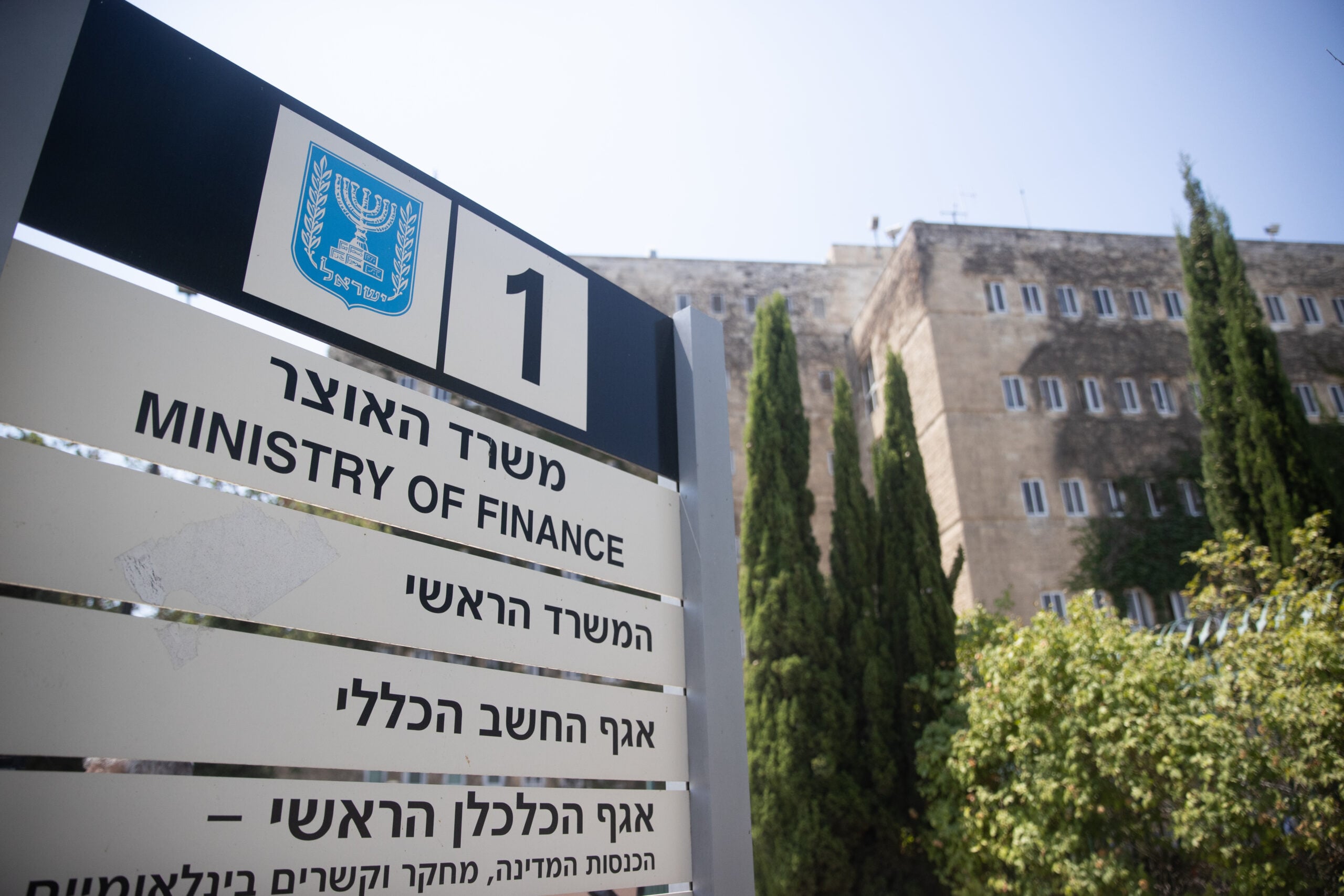
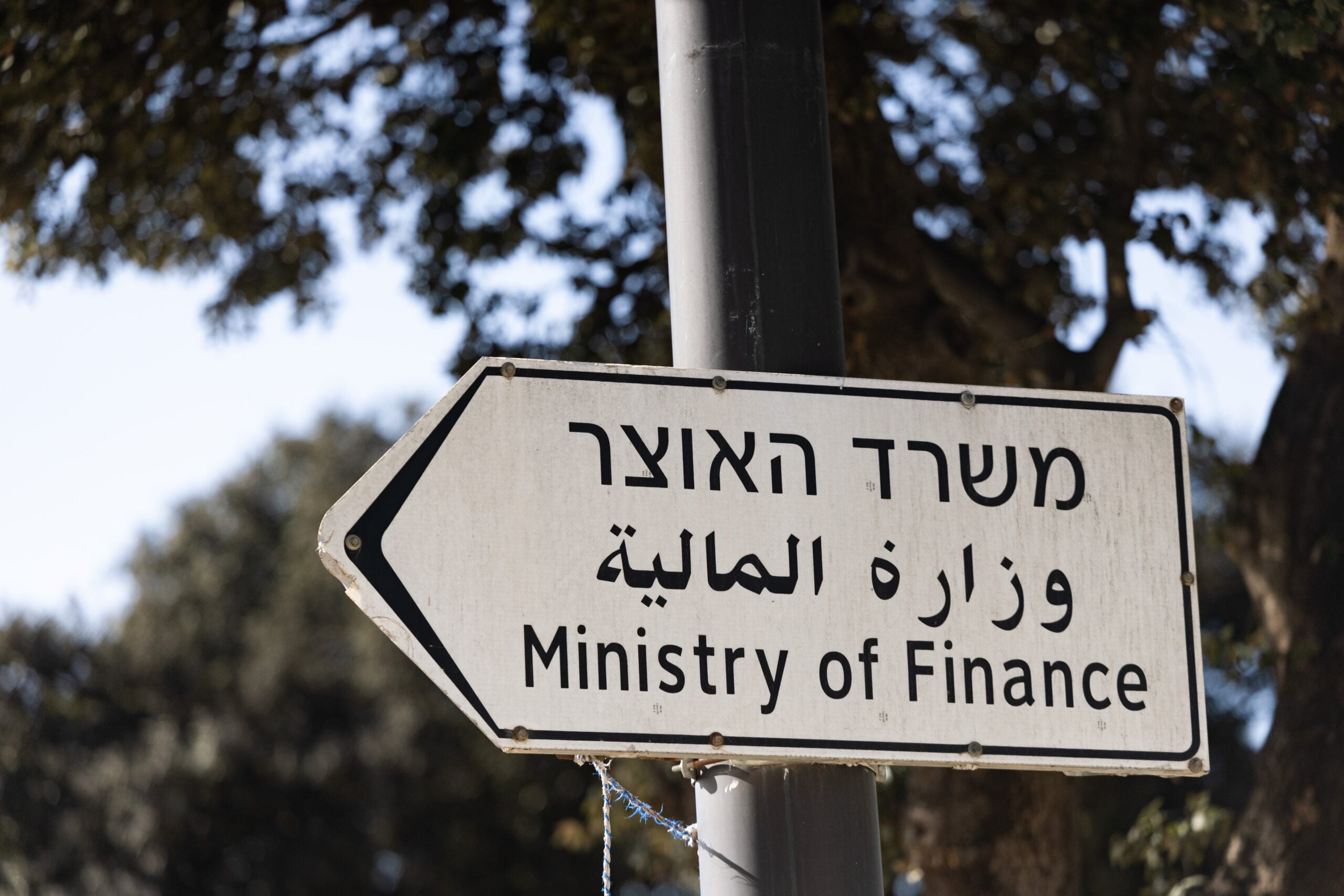
Israel’s Finance Ministry released its July budget performance and state revenue estimates Monday, presenting an encouraging picture of resilience and stability in the Israeli economy.
According to the official figures, the cumulative government deficit over the past 12 months remained unchanged at just 3.3% of GDP—significantly below the government’s annual deficit target of 4.9% for 2026. A major factor behind the deficit’s stability has been a sharp increase in state revenues, reflecting robust business activity across the economy.
 1+
1+Since the beginning of the year, state revenues have reached approximately NIS 362.1 billion ($106 billion), an impressive 11.8% increase compared with the same period last year. Tax revenues alone rose by an even sharper 14.5%, with approximately NIS 55 billion ($16.1 billion) collected in July.
Meanwhile, government spending since the beginning of the year totaled approximately NIS 373.6 billion ($109.4 billion), an increase of just 3.5% compared with the same period last year.
Defense spending rose significantly, climbing 12.6% to approximately NIS 108.2 billion ($31.7 billion), while spending by civilian ministries declined 1.3%. Finance Ministry officials expect the pace of government spending to accelerate in the coming months as the end of the year approaches.
 1+
1+The deficit for July itself totaled approximately NIS 4.8 billion ($1.4 billion), similar to the figure recorded during the same month last year. But the year-to-date comparison is considerably more dramatic: Israel has accumulated a deficit of just NIS 11.5 billion ($3.4 billion) since the beginning of 2026, compared with approximately NIS 37.2 billion ($10.9 billion) during the same period in 2025.
The figures have generated considerable satisfaction among Finance Ministry officials, who point to the results as further evidence of the Israeli economy’s resilience—even as defense expenditures continue to rise and government spending is expected to accelerate later this year.