


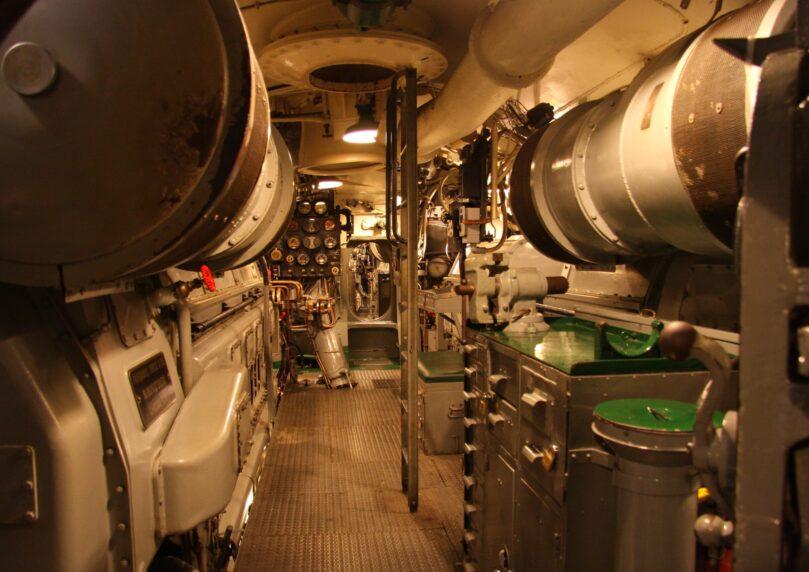

The U.S. military is developing a highly innovative solution to one of the biggest challenges of deep-sea warfare: how to continuously power military equipment and autonomous submarines operating far beneath the surface.
Backed by millions of dollars in initial funding, a new project fittingly known as DEPTHS aims to place powerful “nuclear batteries” on the ocean floor capable of operating for decades without maintenance or refueling, according to technology and transportation magazine Autoweek.

 2+
2+Currently, every autonomous vessel or sensor placed on the seabed is ultimately limited by its battery capacity. Once the batteries run down, the military must deploy expensive ships to retrieve the equipment or replace its power source. The new solution relies on a specialized engine that harnesses heat produced by strontium-90, a radioactive material considered nuclear waste and currently stored in U.S. government facilities.
The material continuously produces heat for decades as it decays, while the new technology can convert that heat into electricity far more efficiently than previous systems. The need for such technology has become increasingly urgent as China works to blanket parts of the Pacific seabed with advanced surveillance systems.
 2+
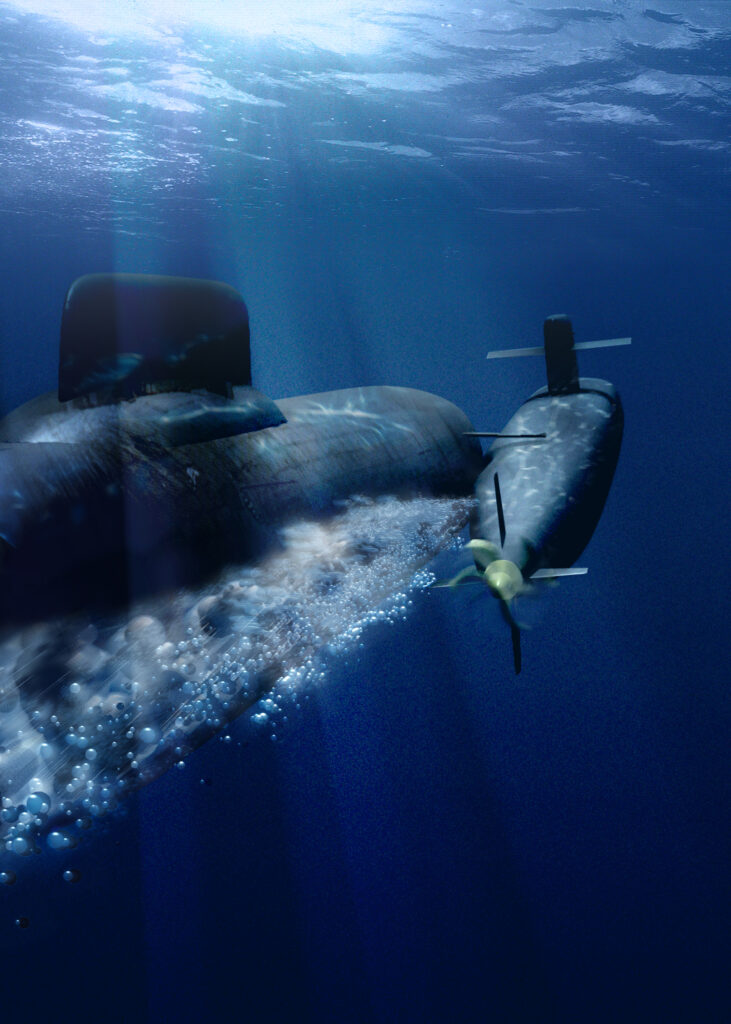
2+The Pentagon’s goal is to establish underwater docking and charging stations where robots and unmanned submarines could arrive, connect, recharge their batteries and continue their missions—all without ever surfacing. The company developing the technology, Zeno Power, has already leased a secure nuclear facility in California to begin assembling the systems.
Zeno Power aims to demonstrate a working model and begin supplying the first underwater charging stations to the U.S. military by 2027. Radioactive materials naturally and continuously release heat over many years as part of the decay process. In the past, attempts to convert that heat into electricity required enormous, heavy systems that generated relatively little power.
 2+
2+Advances in technology and more efficient engines, however, are making it possible to build significantly smaller and more powerful nuclear batteries. Unlike conventional energy sources, they require no sunlight, wind or fuel pipelines and can continue operating in one of the darkest and most extreme environments on Earth—the depths of the ocean.
If successful, the technology could fundamentally change the endurance of America’s unmanned underwater fleet, allowing military systems to remain hidden and operational for years at a time as the technological contest with China increasingly moves from the surface of the Pacific to the seafloor below.