



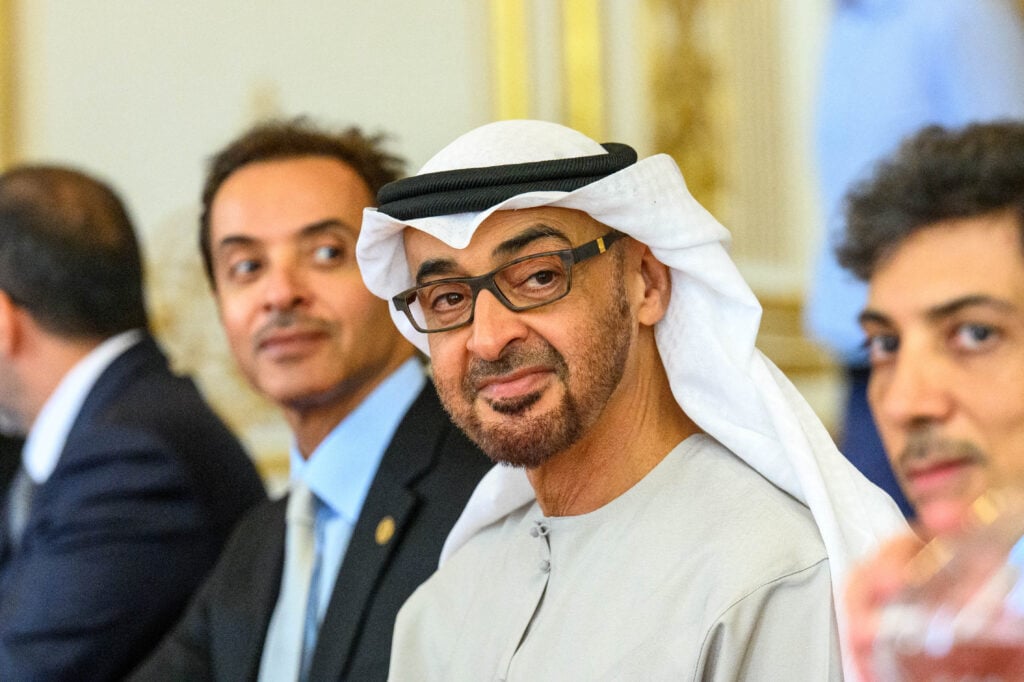
ADNOC Gas, the energy giant owned by the Abu Dhabi government, announced an unprecedented development plan worth more than $8 billion. The move comes just months after the United Arab Emirates made a dramatic decision to withdraw from OPEC—the global oil cartel that sets production quotas for member states. Now free from those constraints, the country is accelerating its energy output to become a dominant player in the global market, the Wall Street Journal reported Monday.

 3+
To understand the move, one must grasp a simple fact of nature: when you drill for oil, natural gas always comes up with it. In the past, because OPEC limited how much oil the UAE could produce, the amount of gas it could extract was also capped. Now, with restrictions lifted and the country planning to boost oil production to 5 billion barrels per day, the company knows it will have massive quantities of gas that can be cleaned, processed, and sold at premium prices.
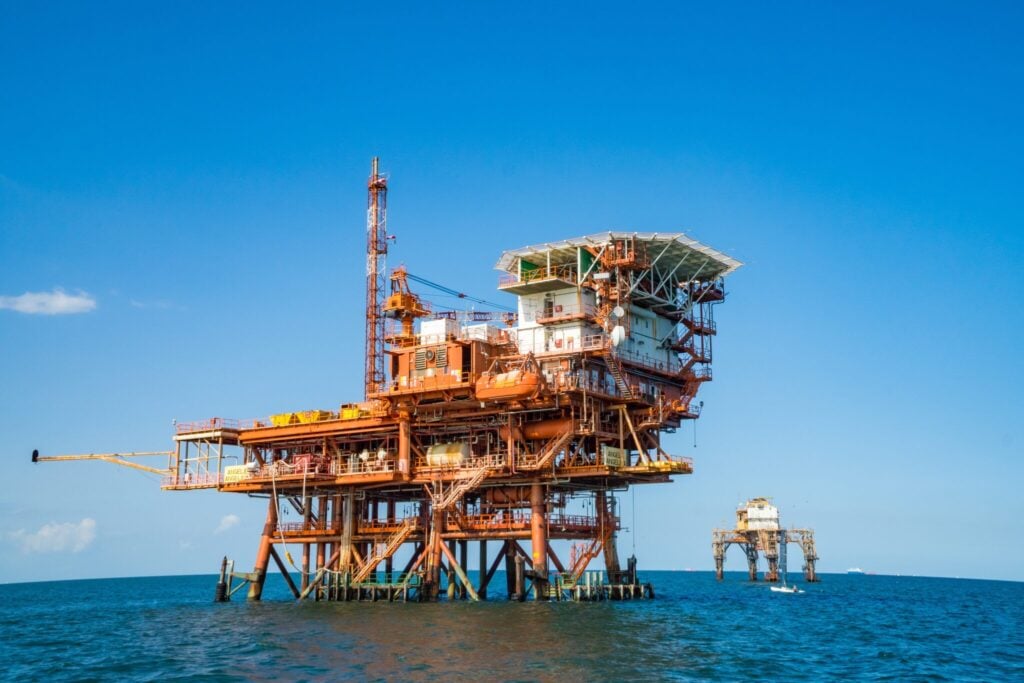
Under the plan, the company will build a huge new natural gas processing plant in the Habshan area—the country’s largest gas facility—and establish a new, advanced export terminal in the Ruwais region. The goal of these plants is to take raw gas from the ground, break it down into higher-quality, more valuable products, and sell them to domestic and international markets. This investment brings the total budget the company is pouring into this special project to a staggering $13.2 billion.
 3+
With the expansion of its facilities, the company raised its 2030 earnings forecast to more than $12 billion. CEO Fatima Al Nuaimi explained that the goal is to increase company profits by 60%. However, the company’s CFO made clear that achieving these targets depends on the security situation in the Persian Gulf calming down and remaining stable.
The war in the region is already affecting the company: alongside its future plans, the company reported that its net profit in the second quarter of this year plunged to $665 million, compared to $1.39 billion last year. The reason for the drop is that the Strait of Hormuz—the main shipping route through which a fifth of the world’s oil and gas passes—has become almost completely blocked to ship traffic since the war with Iran began, making it difficult to transport goods.
 3+
For decades, OPEC operated as a kind of “closed club” of oil-rich nations. This club set a quota for each country—a maximum amount of oil it was allowed to sell—to control global prices.
Although this system brought in substantial revenue, the UAE felt these quotas were strangling it and preventing it from growing and exploiting its full potential. Withdrawing from the organization is a dramatic political and economic declaration of intent: the Emirates decided it doesn’t want others dictating how much it can produce, and it prefers to operate independently to become a self-sufficient energy superpower.
 3+
In addition, because of the endless wars in the Middle East and threats to block maritime shipping routes, the country realized it must invest billions in building new oil and gas pipelines and alternative export routes that bypass danger zones. The current move proves that the UAE is leveraging its newfound freedom to build a massive energy infrastructure that will supply electricity and gas to the entire world—from neighboring countries to the largest tech companies in the West.