


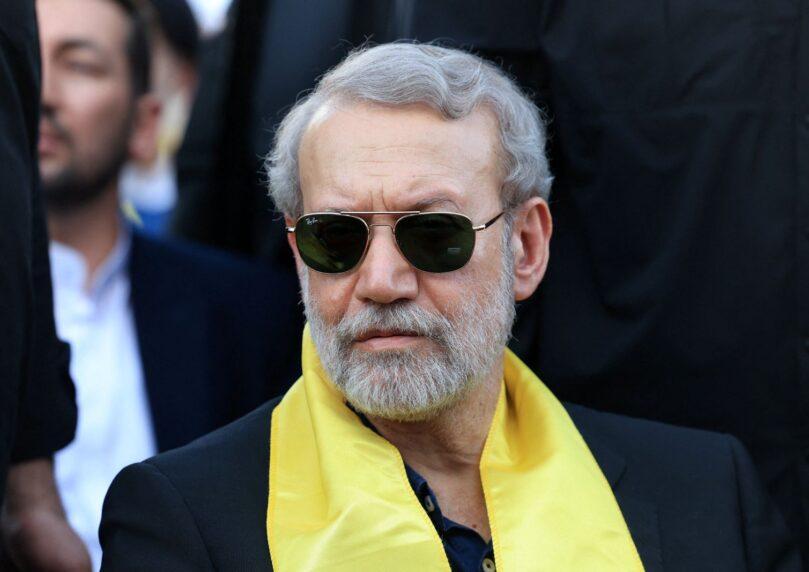

At an official Interior Ministry press conference in Iran on Sunday, Mohammad Reza Larijani—son of the assassinated senior official—addressed burning questions surrounding his father’s death. Despite official confirmation of the killing, the son made clear that his family is still waiting for clear and complete answers to the central question: How exactly was his father located, identified, and killed.
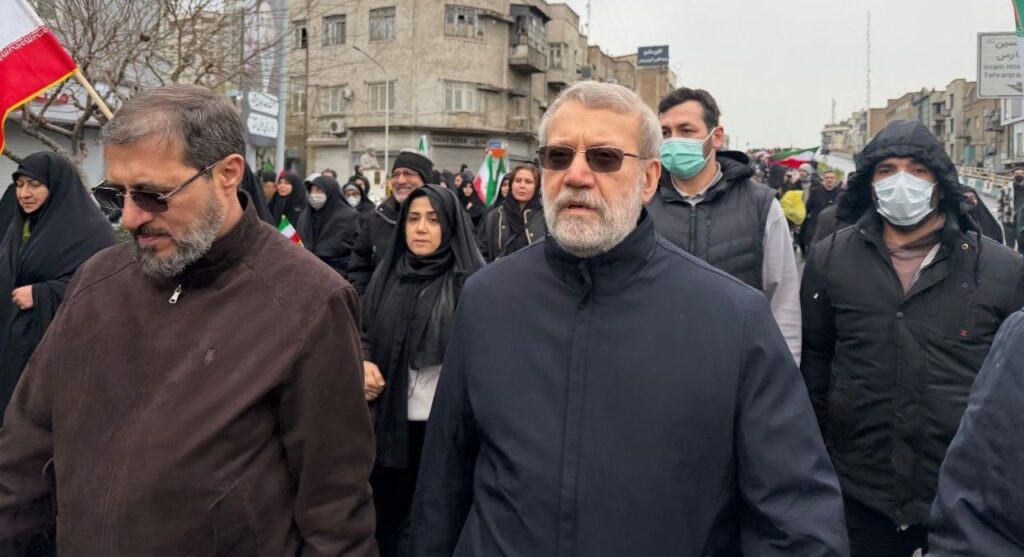
According to Mohammad Reza, his family has filed a formal demand for answers, and various intelligence agencies are conducting ongoing monitoring of the case, but “no final conclusion has been reached.” He rejected several theories circulated in the media about how his father was killed, including claims that his father’s presence at a public march—such as a Quds Day rally—exposed him to assassins, while confirming that the public appearance was coordinated in advance and approved by security forces.
These statements add to a wave of reports and analysis in Iranian media about the assassination method—including mortar fire—raising hard questions about the ability to protect and secure senior regime officials. While local politicians and commentators warn that the assassination deals a severe blow to the country’s leadership future, family members continue to demand full transparency from the agencies in charge of the investigation.
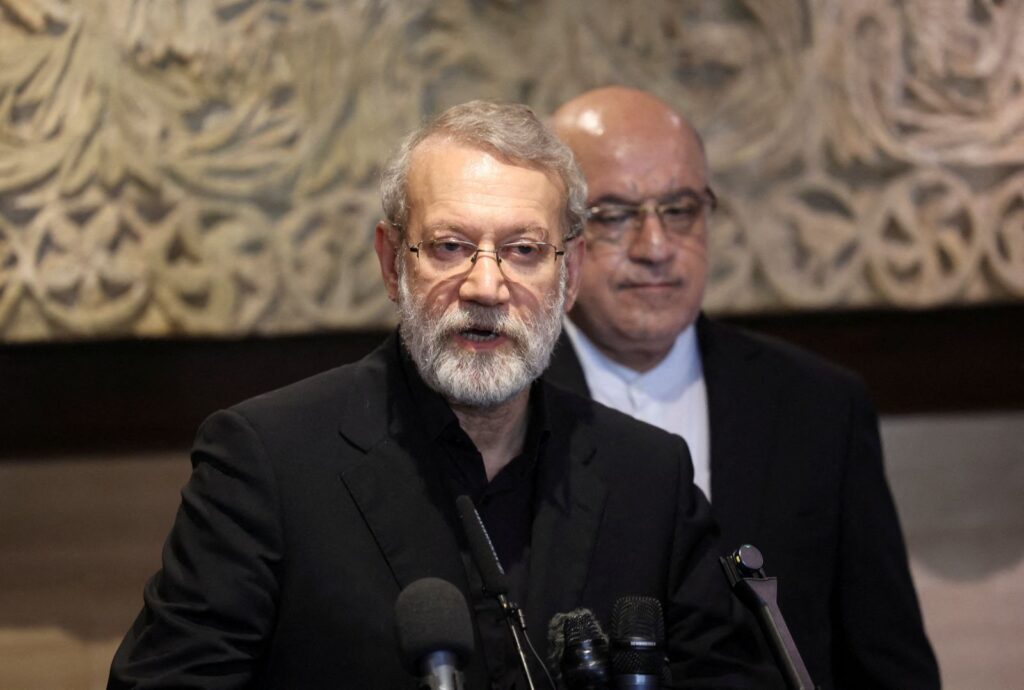
Ali Larijani’s assassination represents a severe strategic and image blow to the Iranian regime, occurring during a sensitive and tense period in which Iran is simultaneously facing heavy external pressures, military confrontations in the Gulf, and deep internal economic and political crises. The incident exposes a series of structural security and intelligence failures within Tehran’s security apparatus, allowing hostile actors to penetrate the tight protective circle around the leadership elite and strike key figures. The fact that the senior official’s family is publicly expressing dissatisfaction with how the investigation is being handled indicates hidden and overt tensions within Iran’s political elite, and illustrates how assassinations of this type not only eliminate the regime’s strategic assets but also deepen the sense of helplessness and cracks within Tehran’s ruling establishment.