


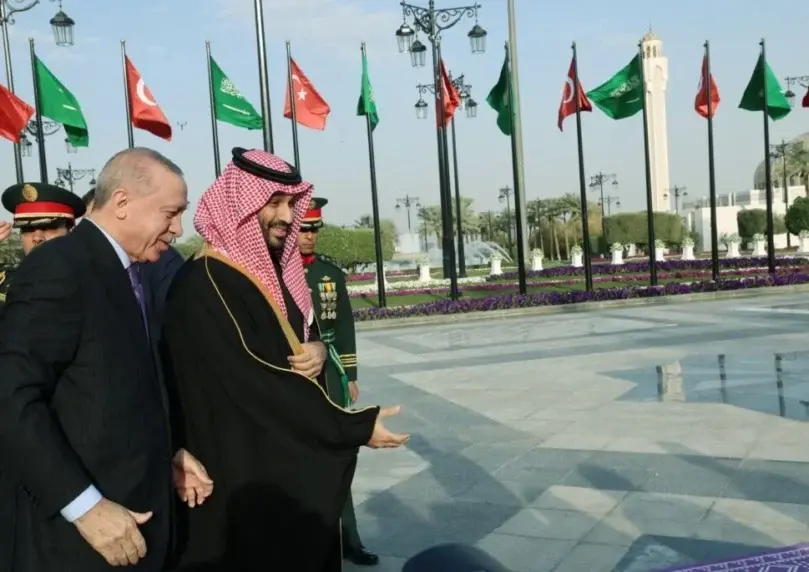

In a major regional power move against Iran, Turkey, Saudi Arabia and Pakistan are expected to sign a joint defense agreement, according to regional sources familiar with the matter and a Turkish official. The emerging alliance brings together three of the Muslim world’s most powerful states as Gulf countries face mounting security threats from Tehran following U.S. and Israeli strikes on the Islamic Republic, Reuters reported today (Friday) morning.
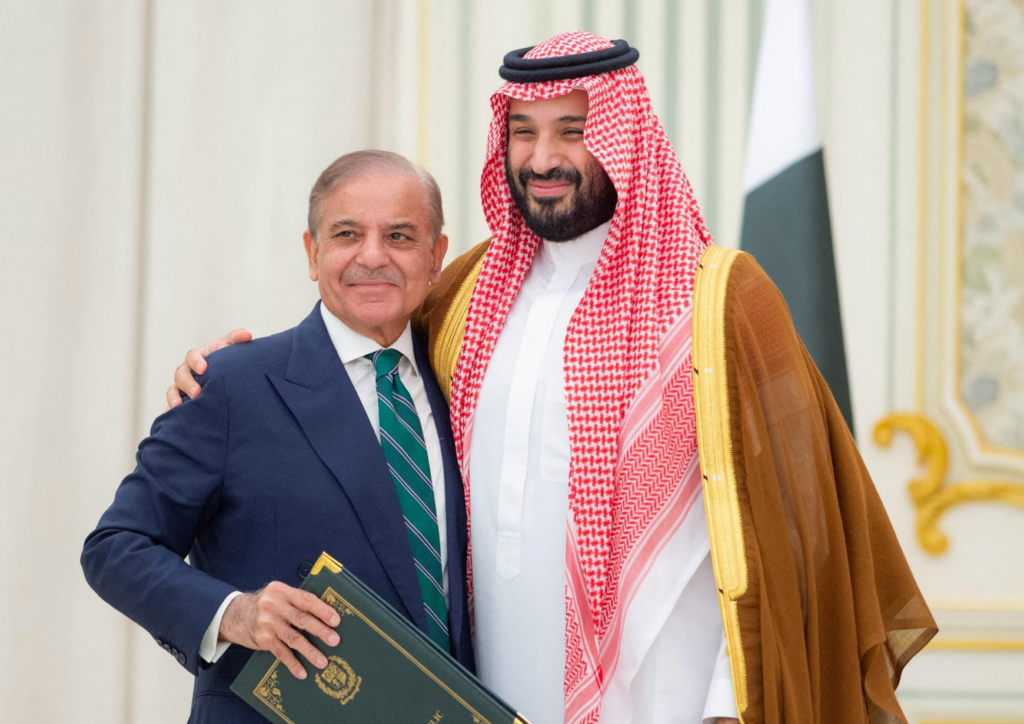
Turkish President Recep Tayyip Erdoğan and Pakistani Prime Minister Shehbaz Sharif, together with Pakistan’s army chief, Field Marshal Asim Munir, are expected to meet Saudi Crown Prince Mohammed bin Salman in Jeddah to formally sign the agreement. The new understandings follow nearly a year of negotiations and come against the backdrop of the war with Iran, which has exposed the security vulnerabilities of Gulf states and disrupted shipping routes through the Strait of Hormuz.
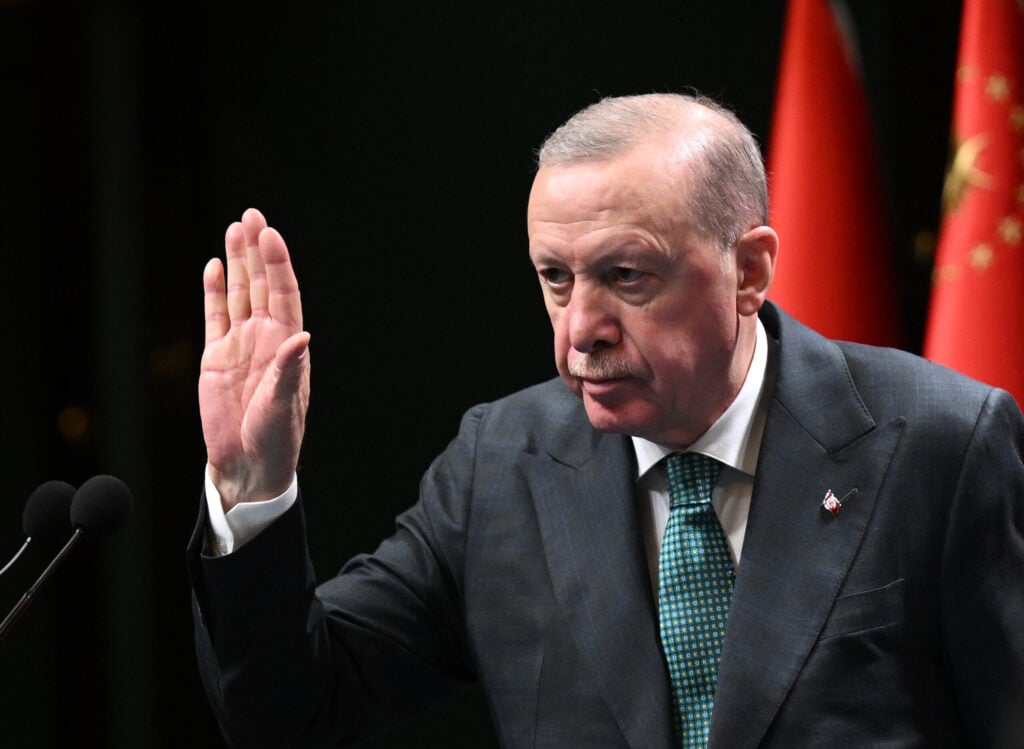
Although the agreement represents a significant step toward strengthening cooperation among three major regional powers—Turkey as a NATO member, Saudi Arabia as a key U.S. partner and leading oil exporter, and Pakistan as the world’s only Muslim-majority nuclear-armed state—clear official details regarding the precise commitments each country will undertake have yet to be released.
Turkish Foreign Minister Hakan Fidan has previously said that Ankara supports establishing a broader regional security platform aimed at promoting stability. The developing agreement also comes as Saudi Arabia and Pakistan already maintain a close security pact stipulating that an attack against either country would be considered an attack against both.
The trilateral agreement marks a notable strategic rapprochement among three major powers in the Sunni Muslim world. As the region grapples with the fallout from the Iran war and continuing threats to international energy infrastructure, the countries are seeking to establish a joint security framework that could strengthen deterrence and stability across the Persian Gulf and the broader Middle East.
For Israel, however, the emerging strategic alliance between Turkey, Saudi Arabia and Pakistan presents a complicated picture with potentially dramatic consequences. On one hand, the emergence of a powerful Sunni bloc presenting a determined front against Iranian aggression could complement Israel’s own interest in containing Tehran and its network of regional proxies.

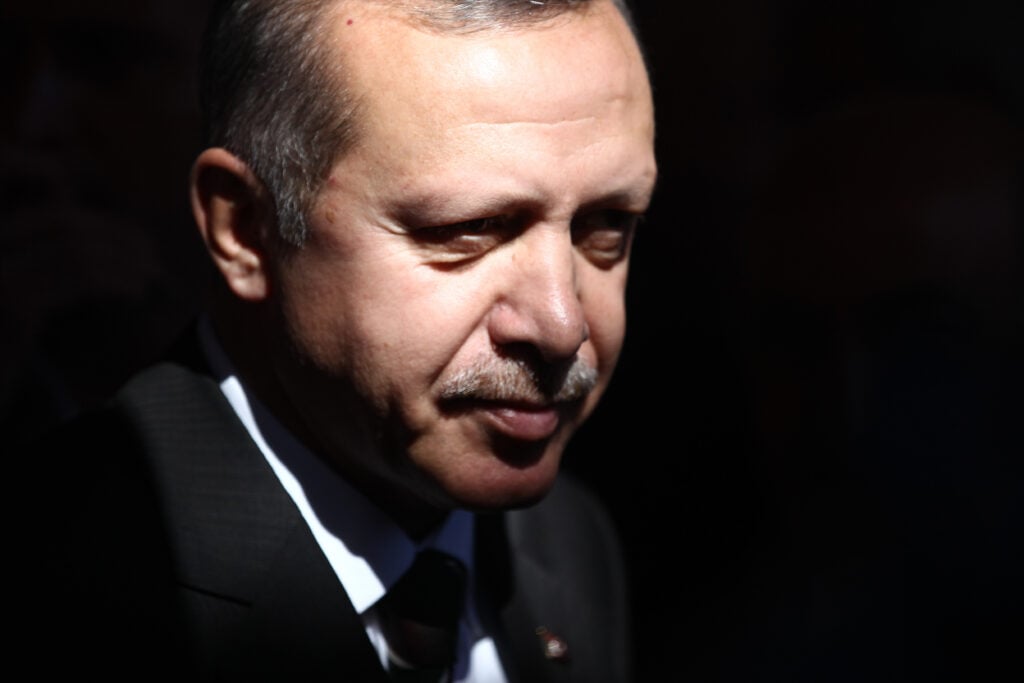
On the other hand, Turkey’s central role in the alliance—under Erdoğan’s increasingly hostile posture toward Israel—combined with the involvement of a nuclear-armed power such as Pakistan creates a formidable regional bloc that could potentially constrain Jerusalem’s diplomatic and military freedom of action. It could also complicate broader Israeli regional initiatives and generate renewed diplomatic and strategic pressure on Israel across the Middle East.
Saudi Arabia and Pakistan signed a strategic mutual defense agreement in September 2025 containing a provision under which aggression against either country would be considered aggression against both, similar in principle to NATO’s Article 5 collective-defense clause. In early 2026, reports emerged that Turkey was interested in joining the pact and that advanced discussions were underway.
At the time, however, Saudi Arabia rejected the idea and made clear that the agreement would remain strictly bilateral and would not be expanded. The reported decision to now move toward a trilateral framework therefore represents a significant shift—one that could reshape the regional balance of power as the Middle East confronts Iran and the uncertain security landscape emerging from the war.
The alliance may have been forged with Iran in its sights, but for Israel, the more consequential question could be what happens to this powerful new bloc once its three members decide where else to point their collective weight.