


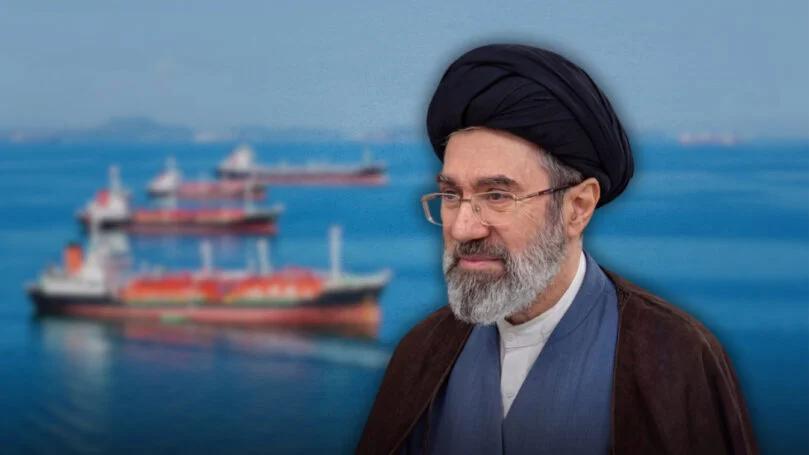

Amid rising security tensions in the Persian Gulf and intense diplomatic mediation efforts, Iranian state television reported today (Wednesday) that the talks currently underway between Tehran and Muscat are not related to the immediate opening of the Strait of Hormuz. According to Iranian officials, returning the critical sea route to full operation is exclusively conditional on a fundamental change in the United States’ policy and conduct.
In recent days, progress has been reported in indirect and official contacts between Iran and Oman with the aim of formulating a solution that would allow the reopening of the Strait of Hormuz – a major energy artery through which a significant portion of global oil traffic passes. According to the emerging outline of the discussions, the possibility is being considered whereby vessels would enter the Gulf through an Iranian-controlled route and exit through an Omani-controlled route, along with the collection of “service fees” to cover security and environmental costs.
However, Tehran is careful to temper expectations. Iranian Foreign Ministry spokesman Esmail Baqaie stressed that the talks with Oman are technically focused only on creating safe shipping lanes that respect the sovereignty of the countries and their security needs, but that the return of the lanes to full operation is linked to and dependent on broader steps from Washington – primarily the cessation of economic pressures and the lifting of the naval blockade of Iran’s ports.

However, the Trump administration is presenting a tough stance. Senior officials in Washington, led by Secretary of State Marco Rubio, have warned that giving Tehran control or legitimacy to manage international shipping lanes or collect payments in the Strait constitutes a “very dangerous precedent” for global freedom of navigation, and make it clear that the United States will not allow arrangements that give Iran exclusive power over this energy bottleneck.
While the Trump administration and the international community are exerting heavy pressure on Iran, alongside mediation attempts by regional countries such as Oman, to prevent a global economic collapse and a further surge in energy prices ahead of the United States midterm elections, Tehran is trying to use its control of the Strait as a supreme strategic bargaining chip. The current Iranian position illustrates the great complexity of the path to resolving the shipping crisis, with each side conditioning the lifting of restrictions on significant concessions from the other.