


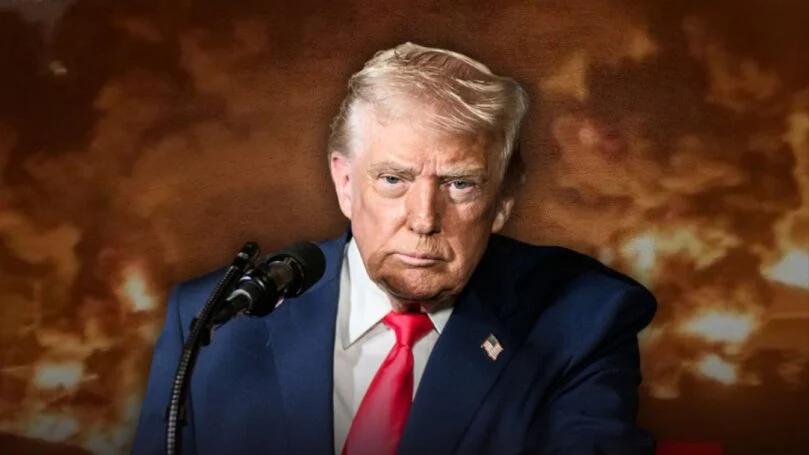

The United States’ continued conduct towards Iran remains ambiguous, between the contradictory statements of President Donald Trump and the repeated denials and stings from Tehran. A short time ago (Tuesday), Trump returned to addressing the negotiations, saying that Iran has a “last chance” to reach an agreement regarding the Strait of Hormuz. He even issued a stern warning, according to which if an agreement is not reached “today or tomorrow,” the United States may launch extensive airstrikes.
Recall that in a conversation held on Monday, Trump said that he wanted Iran to quickly reach an agreement with Oman, which would allow the resumption of navigation in the strategic trade route. However, he made it clear that he opposes any arrangement that would allow Tehran to collect transit fees from ships. “There will be no payment,” Trump said, referring to commercial ships passing through the Strait.
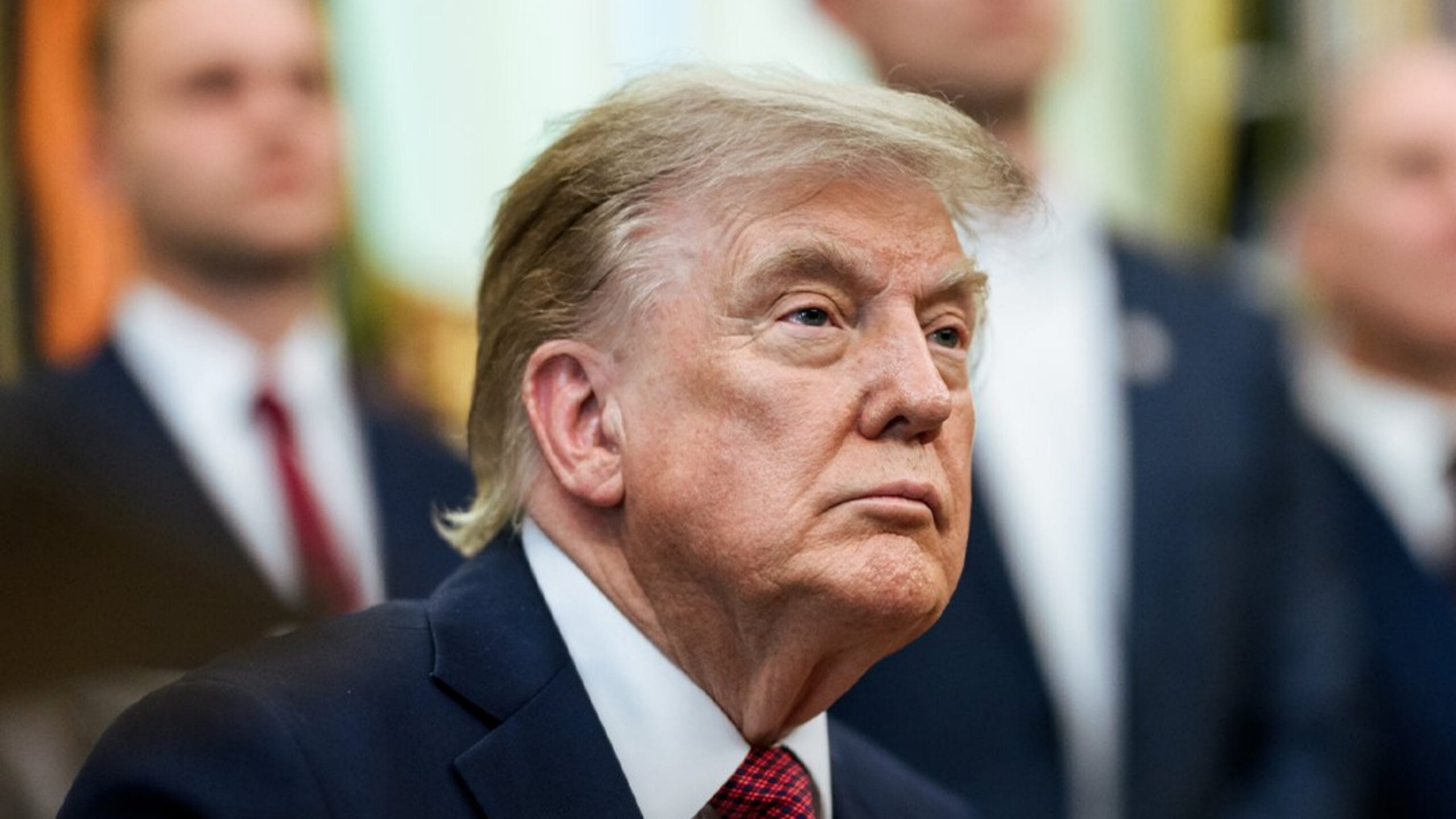
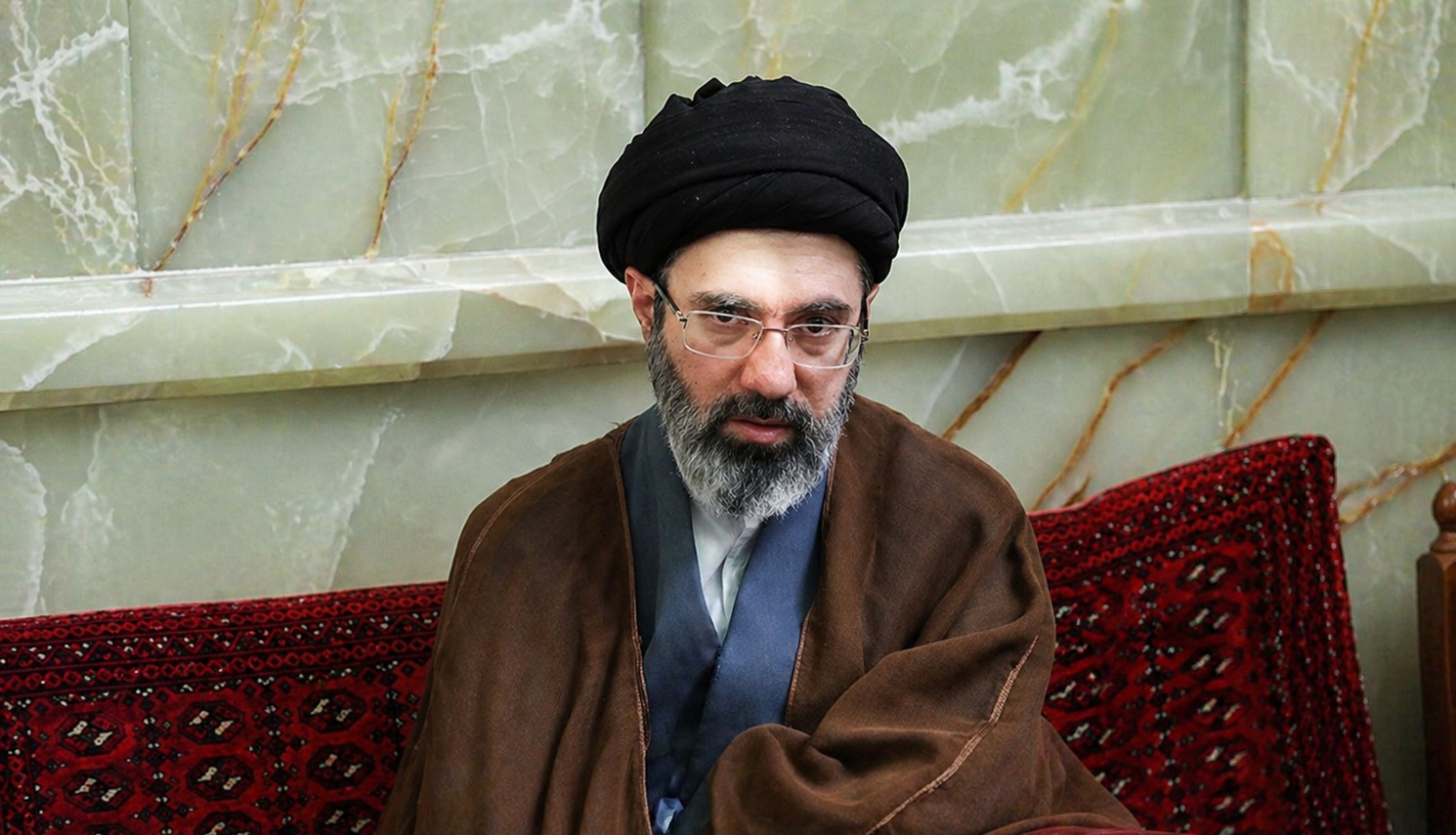
His comments come against a backdrop of a stalemate in the negotiations. Iranian officials continue to claim that Tehran reserves the right to regulate maritime traffic in the Strait of Hormuz, while an adviser to Iran’s ‘supreme leader’ warned that American warships and bases would be in “grave danger” if Washington does not lift the blockade it has imposed on Iranian ports. At the same time, according to a Bloomberg report, there are almost no signs of progress in the talks being brokered by Oman, despite Trump’s latest ultimatum.
Qatar’s intervention
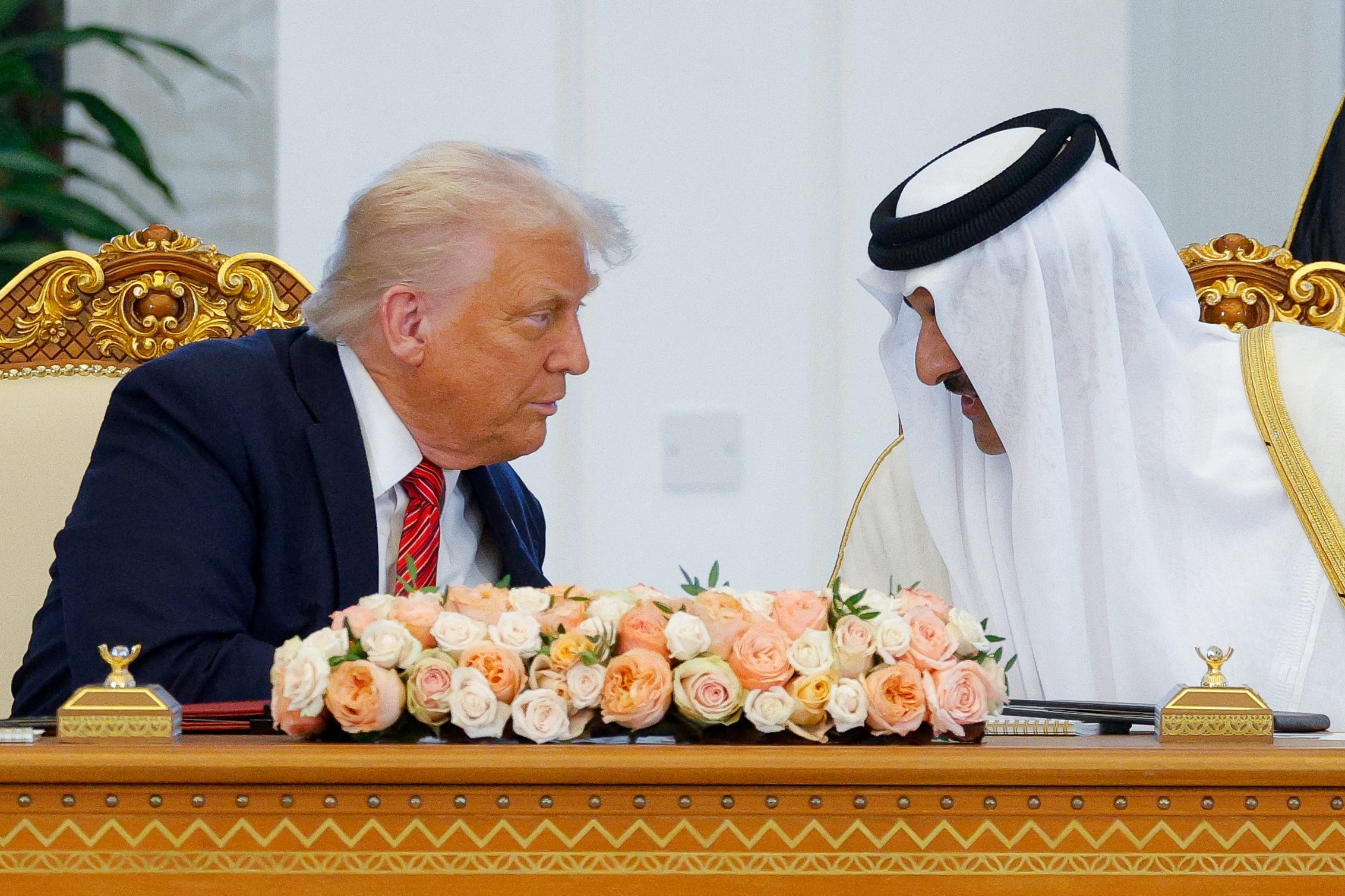
Qatar confirmed today that talks between the United States and Iran are continuing, and that the parties have already moved from the messaging phase to drafting understandings, after the “language” of the emerging agreements was settled and a draft was transferred between them.
In parallel with the diplomatic efforts, tensions in the Gulf continue. For the second time since this morning, a report was received of an attack on a ship in the Strait of Hormuz, off the coast of Oman, and the crew members on board were forced to abandon it.
Meanwhile, Israeli intelligence sources told Fox News that Israel was not informed of the details of the planned American attack against Iran that was ultimately canceled. “The Americans kept their cards very close to their chest. We had no idea what the attack would entail.” These statements were made after Trump admitted last night that leaks about the attack that reached the media on Saturday led to its cancellation.
The outline that worries the Pentagon
This morning, the New York Times reported that Iran and Oman are close to an agreement that will allow the resumption of ship traffic in the Strait of Hormuz, one of the world’s most important shipping lanes, according to Iranian and American sources. According to the report, the agreement could lead to the reopening of the sea passage, but also spark controversy over the degree of control Iran will have over ship traffic in the region.
According to the sources familiar with the details, under the emerging outline, ships entering the Persian Gulf would pass through a route near the Iranian coast, while ships leaving the Gulf would pass through a route near Oman. Iranian officials claimed that no transit fees would be charged, but they said a “service fee” would be charged to cover environmental, security, personnel, and related services costs.

According to the same sources, the revenue from the payment would be divided equally between Iran and Oman. However, a US official involved in the talks rejected the Iranian description, claiming that it was “inaccurate”. According to him, any temporary route opened in the Strait would not require approval or permission from Iran, and would not involve the payment of fees.
For President Trump, opening the Strait of Hormuz is a key goal, after months in which the closure of the sea route put pressure on international markets and trade and energy traffic. Trump said at the White House that the agreement could move forward quickly, estimating that the first phase would be the opening of the strait, while the second phase would deal with the Iranian nuclear issue.
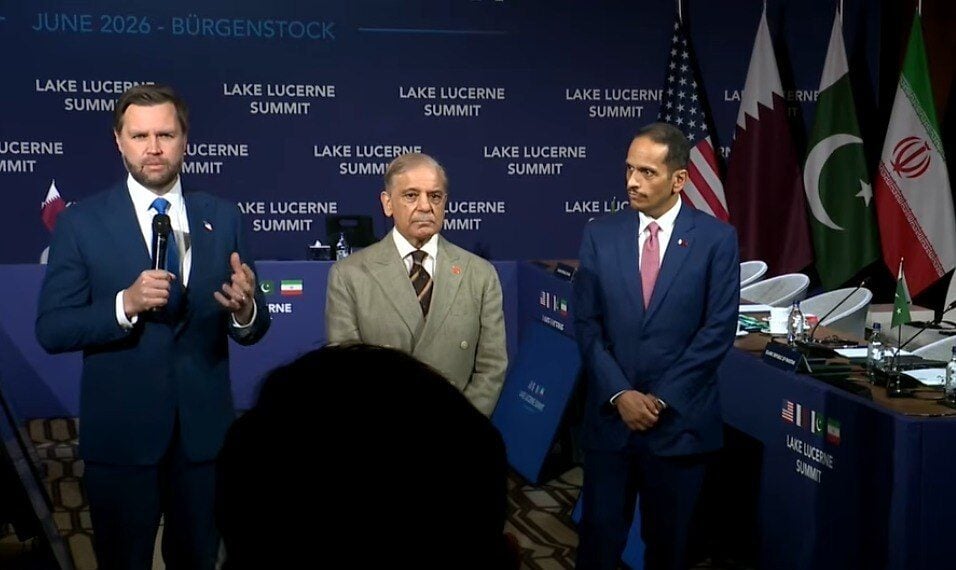
Meanwhile, Iranian officials made it clear that, for Tehran, opening the strait also depends on the lifting of the U.S. naval blockade of Iranian ports in the Persian Gulf and a return to the plan presented as part of the memorandum of understanding in Islamabad. According to the report, the talks around Hormuz are taking place in parallel with possible talks on the future of Iran’s enriched uranium stockpile.
The main dispute surrounding the agreement concerns the question of whether opening the strait will be done while maintaining freedom of navigation, or whether it will create a precedent of de facto Iranian control over an international sea route. Secretary of State Marco Rubio has previously warned that allowing a country to control international maritime passage and collect payments from ships could create a dangerous precedent.
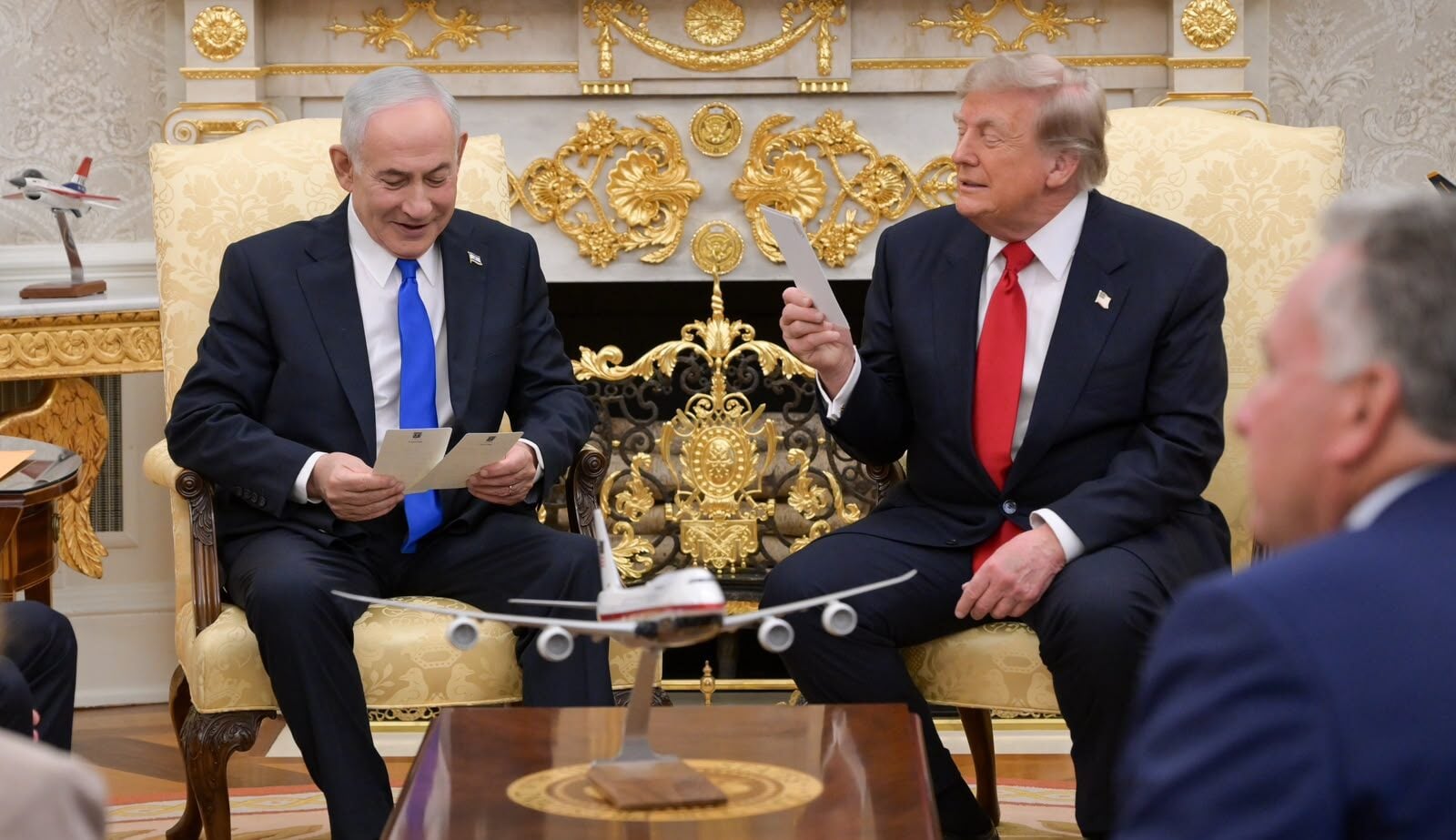
Within the Trump administration, there are also voices skeptical of the outline. According to the report, senior Pentagon officials fear that such an agreement could be interpreted as a capitulation to the Iranians, especially since some of the routes still contain mines, which may require coordination with Tehran to allow safe passage of vessels.
On the other hand, Iran sees the Strait of Hormuz as a significant strategic asset. Iranian officials claim that the agreement is intended to anchor Tehran’s ability to influence traffic in the Strait, thus maintaining a lever of pressure that was not fully applied before the war.