


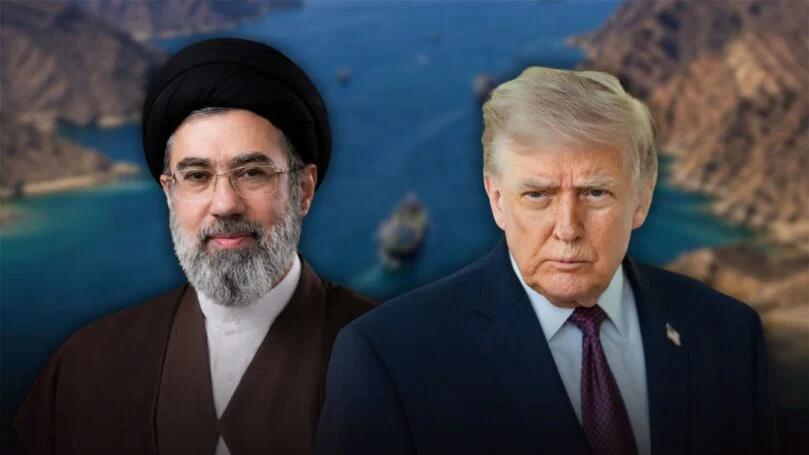

Despite President Donald Trump’s announcement on Sunday that negotiations with Iran would resume later today, Iranian officials appear far less optimistic about an imminent breakthrough.
According to a report by Turkey’s Anadolu Agency, citing sources within the Pakistani government, no official date has yet been set for the resumption of talks between Washington and Tehran.
The sources reportedly said that Pakistani and Qatari mediators remain “cautiously optimistic” and believe positive developments could emerge by the end of the week. However, they stressed that no mutually agreed-upon date has been established for the next round of negotiations.
The reports also appear to contradict Trump’s assertion that “Hormuz is completely open” and that Iran will not obtain a nuclear weapon. According to multiple reports, the Strait of Hormuz remains closed, nuclear talks have not resumed, and Iran is continuing efforts to restore its nuclear enrichment facilities. No formal date for renewed negotiations has been announced.
The Iranian response
The apparent lack of communication between Washington and Tehran was underscored by Iran’s Foreign Ministry spokesperson, who stated earlier Monday that no talks are currently taking place between the two countries and that president Trump’s remarks do not reflect the reality on the ground.
The spokesperson also addressed rising tensions surrounding the strategically important Strait of Hormuz. He said there would be no change in the waterway’s status as long as the United States continues what he described as “aggression” and a “naval blockade” against Iran. According to the spokesperson, the current situation will remain unchanged unless Washington alters its policy toward Tehran.

He further stated that an agreement with Oman alone would not be sufficient to reopen the strait to full maritime traffic. While Iran is working with Oman on establishing a temporary and secure shipping corridor, he said, such an arrangement would not resolve the broader crisis. The strait, he added, will remain closed until U.S. pressure on Iran is lifted.
Dispute over Hormuz control
As previously reported, Oman has attempted to advance a new proposal for the Strait of Hormuz that would allow Iran to collect voluntary transit fees from vessels passing through the critical energy corridor. The proposal was reportedly rejected by Tehran, which demanded greater control over the strategic waterway that is vital to global oil supplies.
Iran subsequently presented a counterproposal under which all inbound shipping traffic would pass through Iranian territorial waters, while part of the outbound route would also fall under Iranian control.
“The inbound shipping lane must be entirely under Iran’s control, while part of the outbound lane can remain under Omani control. If they accept this proposal, we will move to the next stage,” Iranian Deputy Foreign Minister Kazem Gharibabadi said in remarks carried by state television.